
Instrument & Cluster Display Modules — Round, Square, Bar ≤7″ | RONEN
Gauges and cluster graphics read best on panels shaped like the dial. RONEN carries 19 special-format modules up to 7.0″ — round, square and bar — spanning 128x115–1080x1080 resolution and 280–1000 cd/m². They suit two-wheeler clusters, power-tool gauges, generator panels and legacy needle replacements. Custom cut-outs and mask shapes are our ODM bread and butter.
- 19 special-format panels ≤7.0″ — round, square, bar
- Up to 1000 cd/m² and wide-temperature options
- Custom masks, cut-corners and needle-style layouts via ODM
Why the Shape Decides Before the Resolution Does
An instrument panel is read peripherally, often in motion and under vibration. A round gauge, a square status tile and a bar-sized ratio display each map to a different physical space in the cluster, and the module outline has to match that space before resolution or brightness enter the decision. RONEN's 19 special-format modules cover round, square and bar outlines from 0.99" to 7.0" — the shapes a cluster engineer actually draws — rather than asking the enclosure to accommodate a rectangle.
The practical consequence is mechanical, not optical. A round module such as the RG-T034BOIA-01 (3.4", 800x800, IPS round) drops into a dial opening with a circular mask; a bar module such as the RG-T0395BMSA-01 (4.0", 720x720, IPS square) or RG-T0399BUSA-01 (3.99", 400x960, IPS bar) serves a narrow instrument strip without wasting bezel area. Choosing the outline first removes the largest source of rework in a cluster program.
Matching the Module to the Instrument Position
Cluster programs have a small number of recurring display positions, and each one rewards a different format:
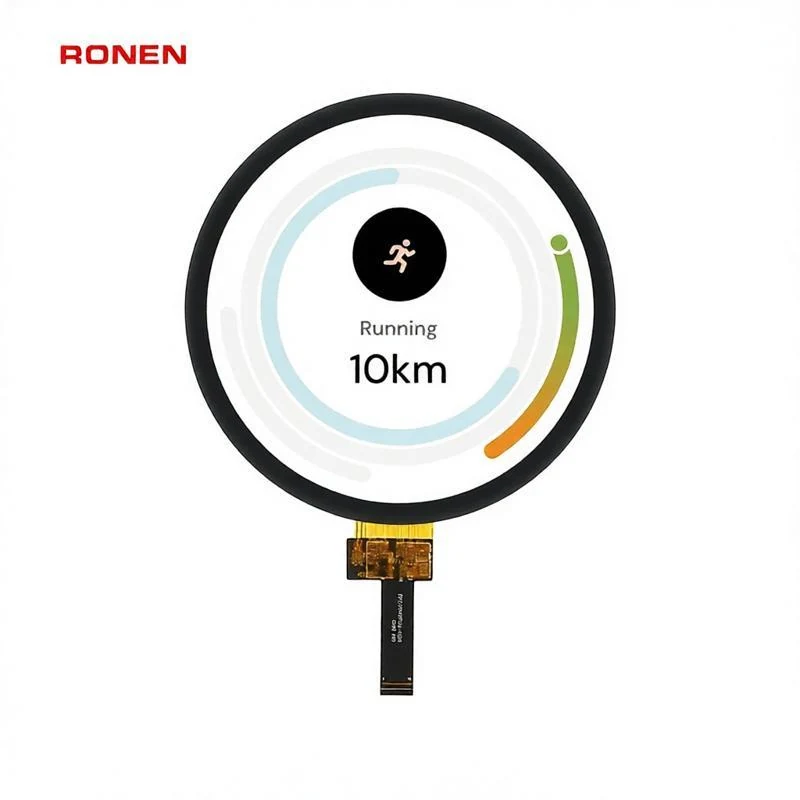
- Speedometer / tachometer dial — round panels from 1.3" to 7.0", including RG-T021BCSA-02 (2.1", 480x480) and RG-T070TOSA-01 (7.0", 1080x1080). Round graphics read naturally behind a needle-style overlay.
- Status and warning tiles — square formats 1.3"–4.0" (RG-T013BQSA-01, RG-T015BOSA-01, RG-T040HCSA-02) where icon legibility matters more than pixel count.
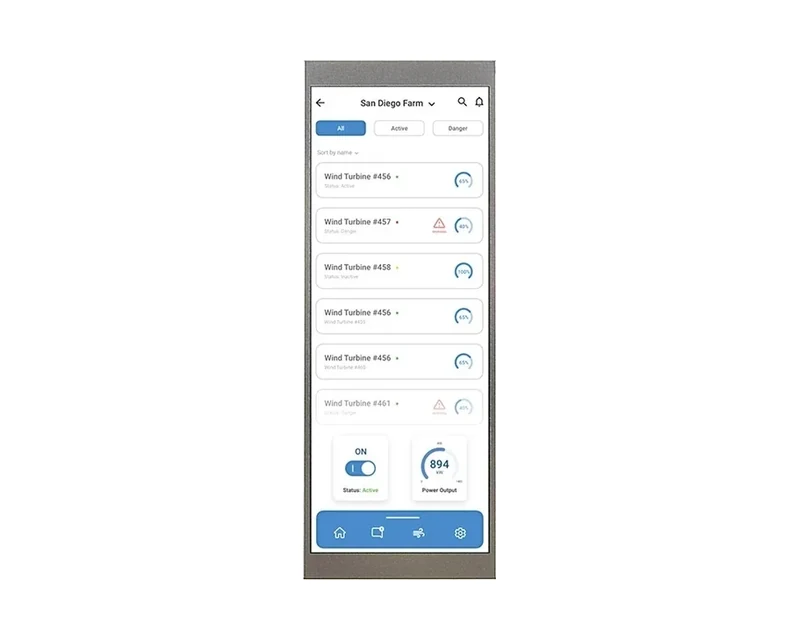
- Gauge clusters and ratio strips — bar formats such as RG-T030HUSA-01 (3.0", 360x640), RG-T0345BHSA-01 (3.45", 340x800) and RG-T068BZSA-01 (6.8", 480x1280), sized for fuel, temperature or battery bars.
- Compact equipment panels — sub-1.3" round (RG-T010BCSA-01, 0.99", 128x115) for power tools and handheld instruments where the display is one element of a dense control surface.
Because every position has a different viewing distance and masking requirement, a mixed-format cluster commonly uses two or three of these families in the same product — supplied from one catalog with consistent interface and qualification behaviour.
The Standard Range, by Specification
The 19 modules in this family share a common envelope: all are IPS, all sit at or below 7.0", and resolutions run from 128x115 to 1080x1080. Luminance reaches 1000 cd/m² in the brightest variants, with wide-temperature options available for equipment that starts cold.
The table below is drawn from the catalog entries listed on this page. It is a selection aid, not a substitute for the model datasheet — confirm outline, interface and temperature class against the drawing before release.
| Format | Models in this family | Size range | Typical use |
|---|---|---|---|
| Round | RG-T010BCSA-01 / T013HQGA-01 / T021BCSA-02 / T0276BCSA-01 / T034BOIA-01 / T040BCSA-01 / T070TOSA-01 | 0.99"–7.0" | Dial and gauge graphics |
| Square | RG-T013BQSA-01 / T015BOSA-01 / T027BOIA-01 / T040HCSA-02 / T0395BMSA-01 | 1.3"–4.0" | Status tiles, icon panels |
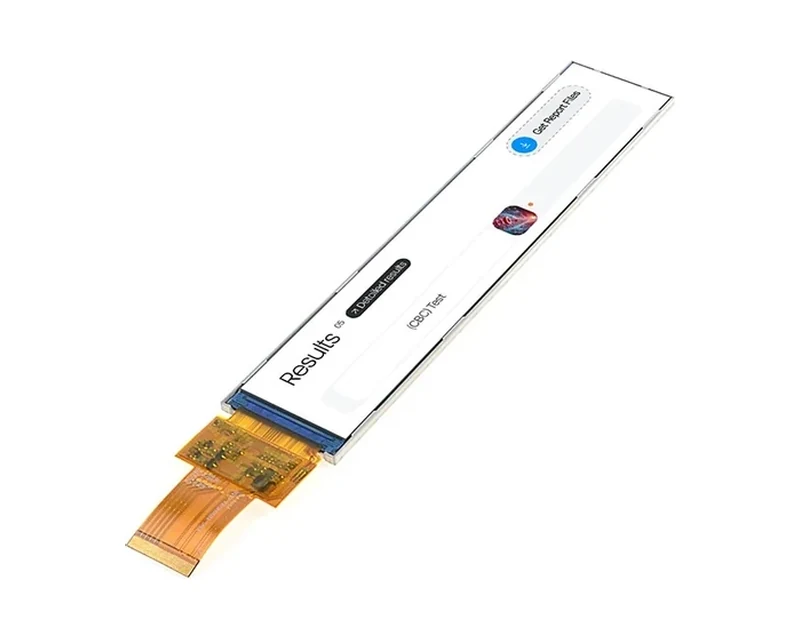
| Bar | RG-T030HUSA-01 / T0345BHSA-01 / T036BBIA-03 / T039BPSA-01 / T0399BUSA-01 / T068BZSA-01 / T070BUSA-01 | 3.0"–7.0" | Ratio meters, strip indicators |
Where Instrument Display Specifications Usually Fail
Shape is what makes these panels useful; the stack around the glass is what makes them survive. Four failure modes account for most field returns in instrument and cluster applications.
Cold-start response. Liquid-crystal response time rises sharply as temperature falls. A module rated for a low operating temperature can still be sluggish for the first minutes after a winter start, so specify the response figure at the low end of the range rather than only the range endpoints. This matters most on two-wheelers and generator sets that sit outdoors overnight.
Masking and cut-out stress. A custom mask or cut corner looks correct on the drawing but concentrates stress at the edge if the cover lens is bonded without relief. The bonding stack and the mechanical constraint at the fixings decide whether the glass survives thermal cycling and vibration.
FPC and connector fatigue. In a vibrating cluster, the glass rarely fails first — the FPC tail, the connector latch and the mounting points do. Strain relief on the tail and locking connectors are more valuable than a rugged-looking front surface.
Backlight output over time. A bright panel driven at full current ages faster than the same panel run below its rating. Specify the luminance you need after several years of service, not the figure on day one, especially for instruments that run whenever the equipment is on.
Interface Choice Across a Long Equipment Program
Instrument platforms are long-lived: the same cluster design may stay in production for a decade while the host SoC changes twice. The display interface is the decision that determines how painful those changes are. RGB TTL is simple and cost-effective for short, well-shielded runs at moderate resolution. SPI and MCU interfaces suit the smallest round panels where pin count and board space dominate. MIPI DSI supports higher resolution on fewer lanes, but ties the panel to a host with a DSI port.
The practical rule is to choose the interface the host already exposes, then hold the pin definition and timing stable through the program. RONEN's engineering team reviews the host timing and the stack-up together, so a replacement module can be qualified against the same interface rather than forcing a board redesign.
Supply Continuity for Needle and Legacy Replacements
A large share of instrument display demand is not new design — it is keeping an existing product alive when an old round or bar panel reaches end of life. These programs need a module with the same outline, a compatible interface and a written commitment on availability; a lower-cost substitute that changes the mask shape is not a substitute at all.
RONEN's 190+ standard models are produced continuously rather than project by project, and the 19 special-format modules in this family are part of that standing range. Where an exact match is not in the catalog, the same families can be adjusted for brightness, touch, cover lens and outline through ODM — see the cross-reference database for discontinued panel mapping.
Choosing a Module for Your Instrument
Start with the opening it has to fit, not the pixel count. Confirm the shape and outline, then the viewing distance and luminance, then the interface the host already provides. The 19 modules below are the standard starting point; from there we can review the mask, bonding and tail against the actual cluster layout.
Send the outline drawing, target luminance and interface and our application engineers will return a module recommendation with the qualification evidence for your environment.
19 standard models in this family
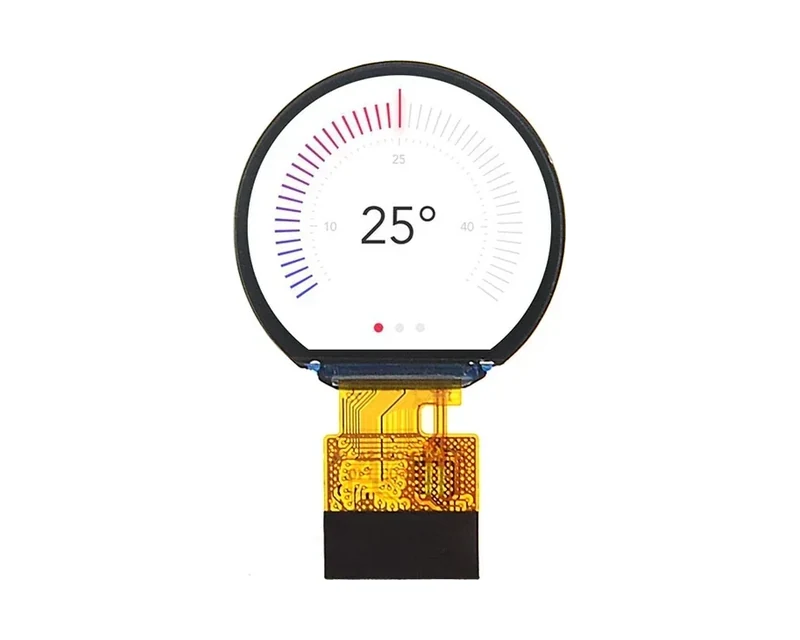
RG-T010BCSA-01
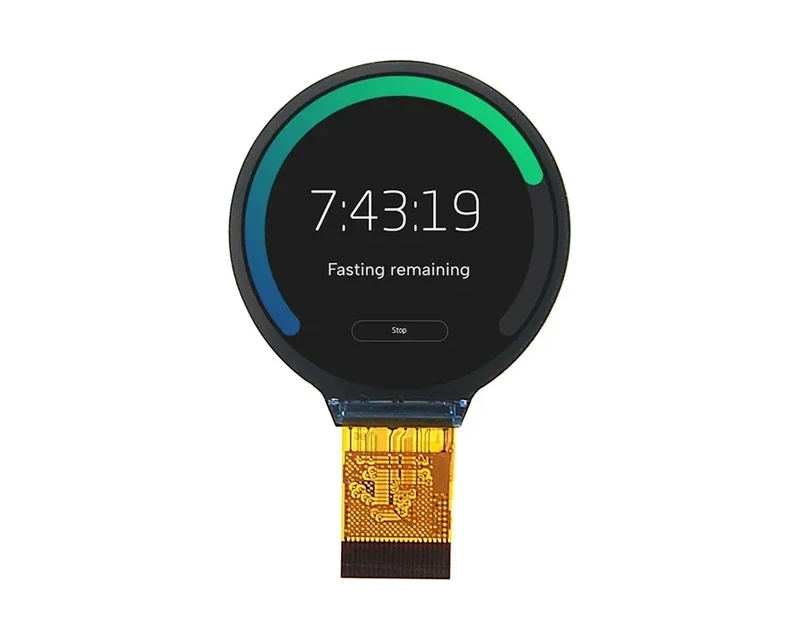
RG-T013HQGA-01
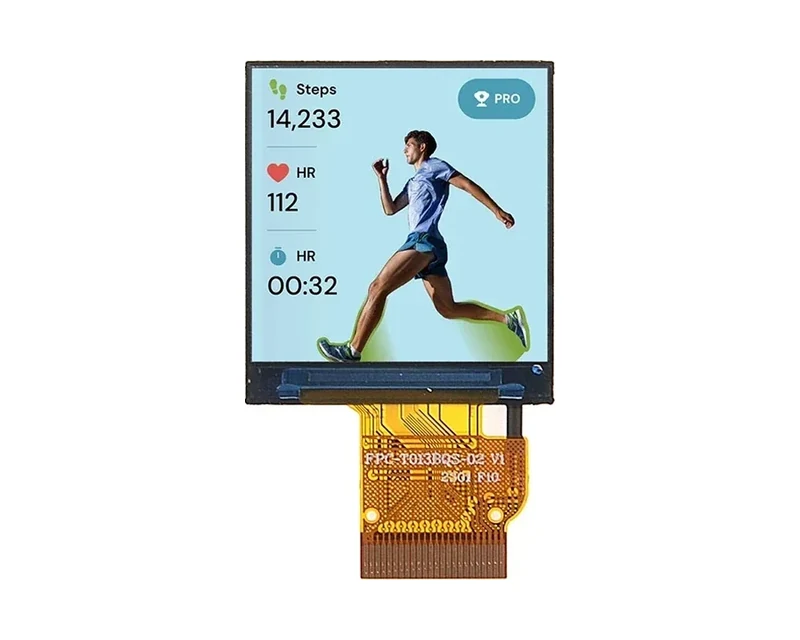
RG-T013BQSA-01
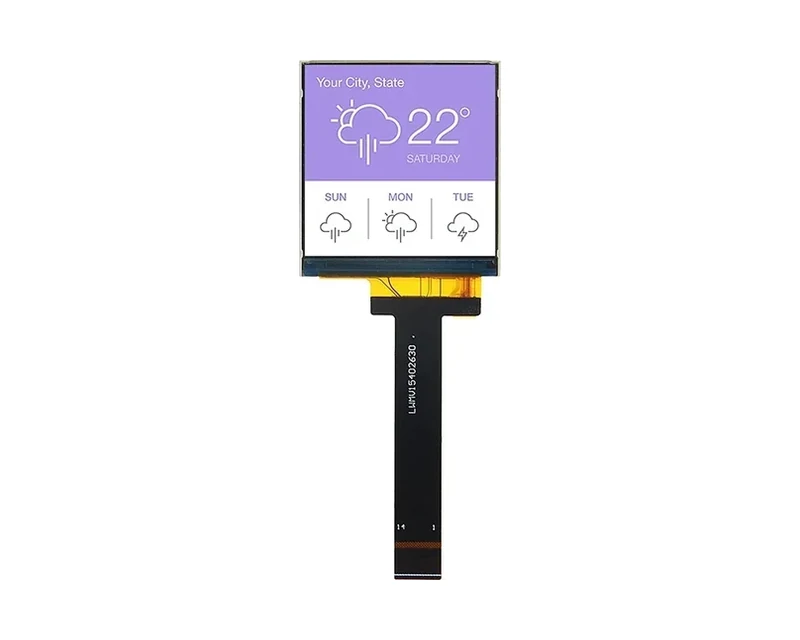
RG-T015BOSA-01
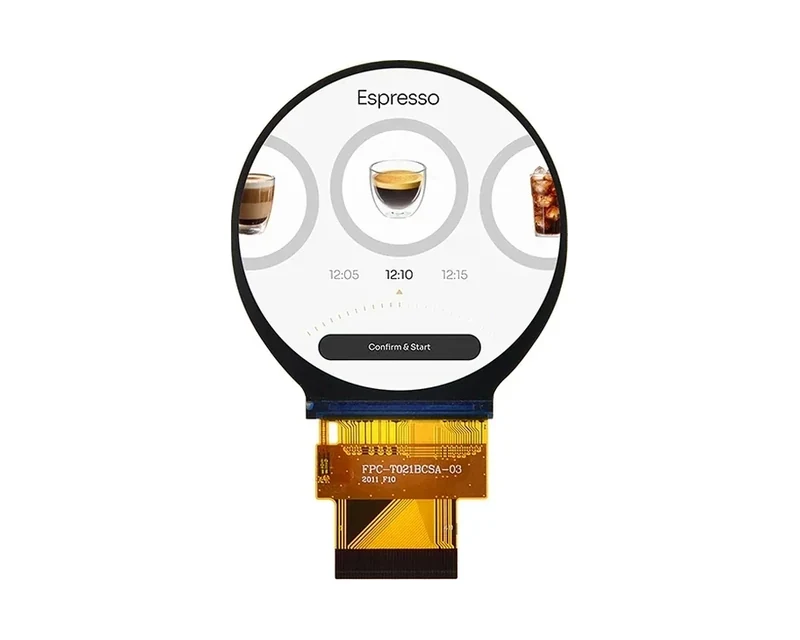
RG-T021BCSA-02
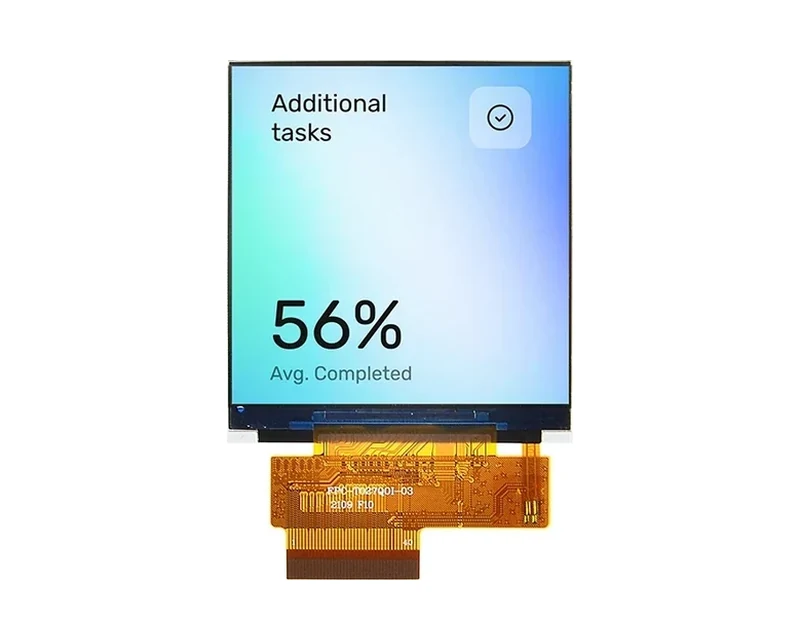
RG-T027BOIA-01
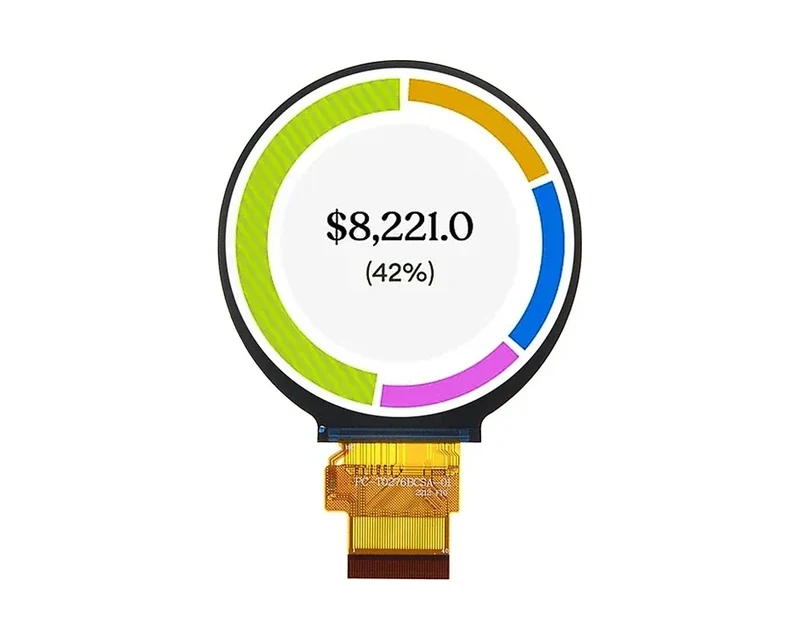
RG-T0276BCSA-01
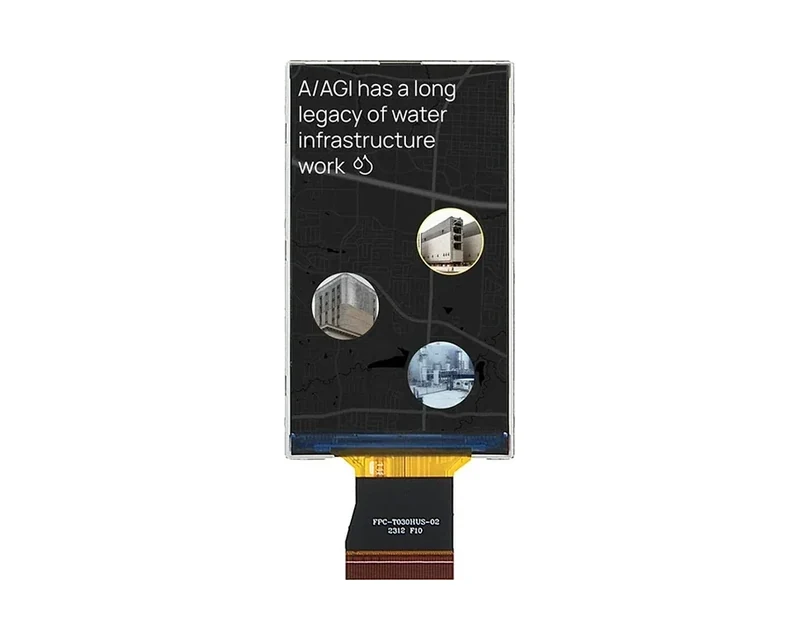
RG-T030HUSA-01
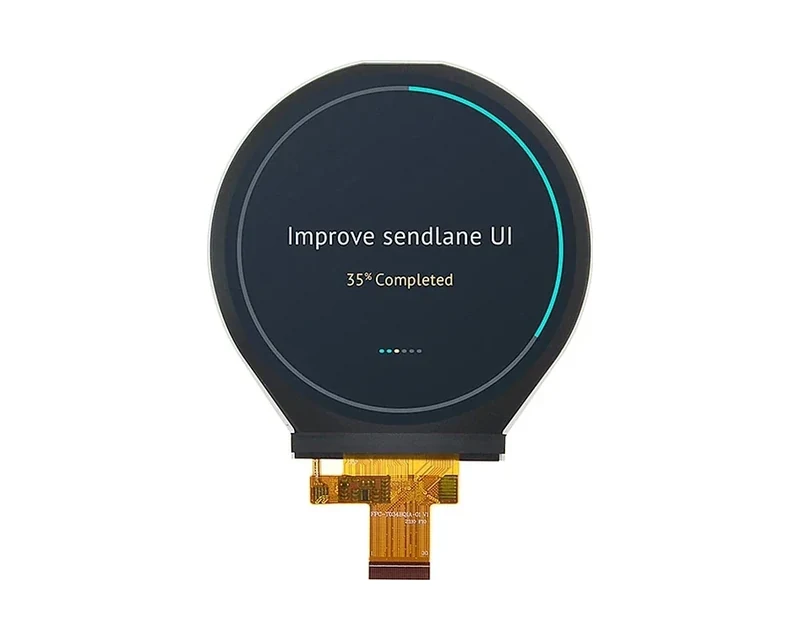
RG-T034BOIA-01
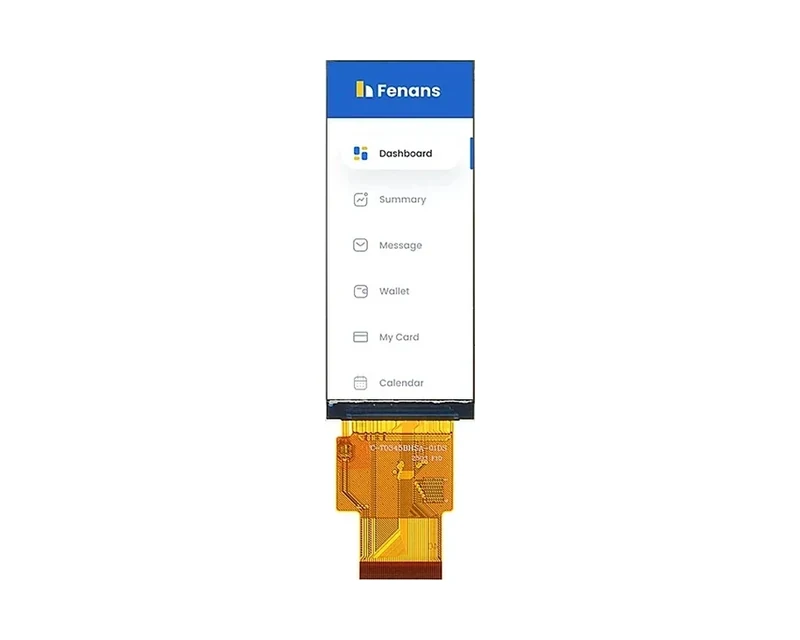
RG-T0345BHSA-01
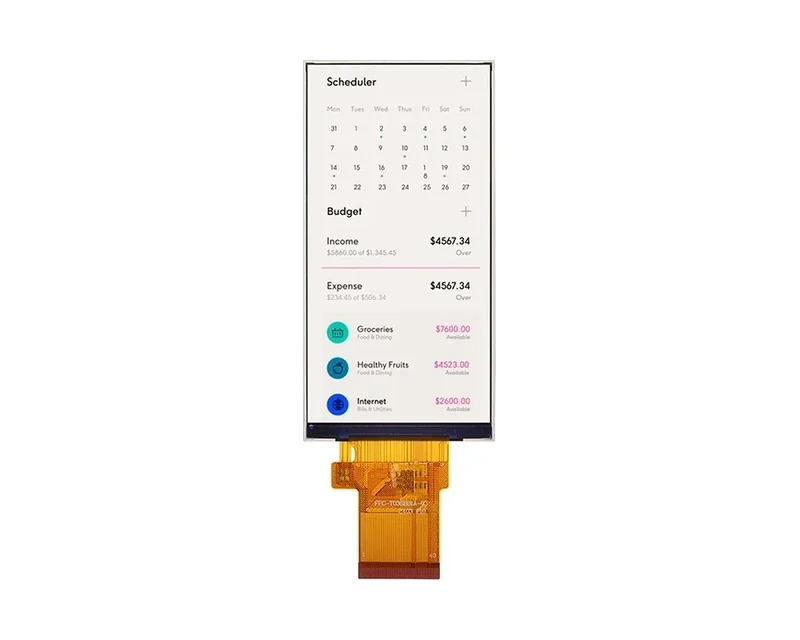
RG-T036BBIA-03
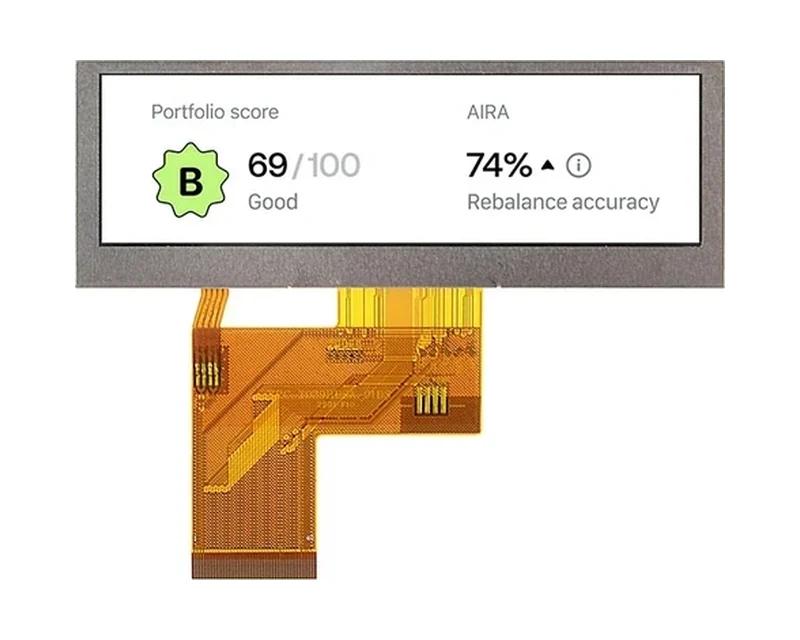
RG-T039BPSA-01
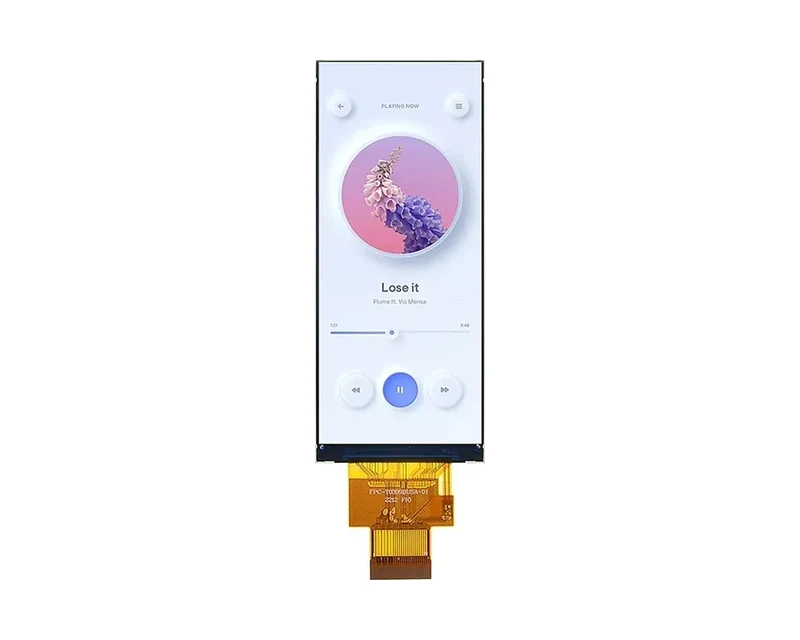
RG-T0399BUSA-01
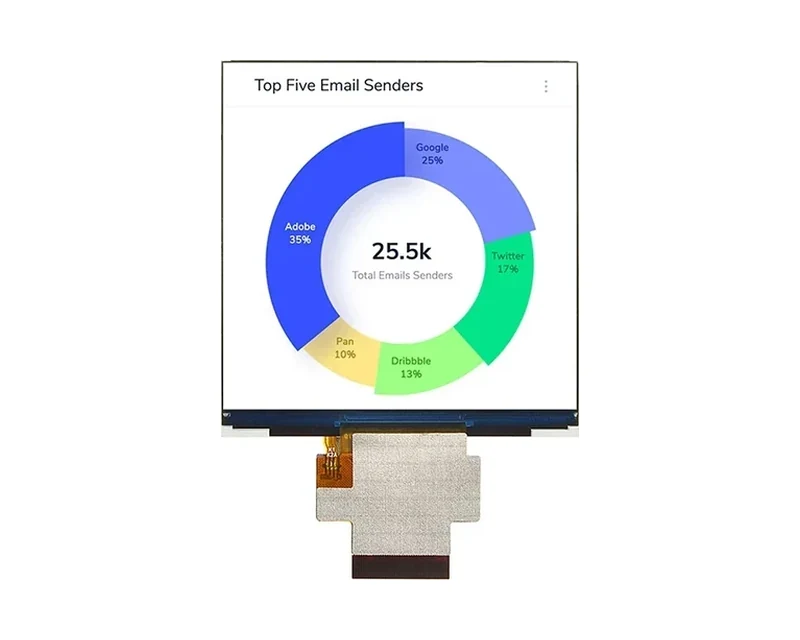
RG-T040HCSA-02
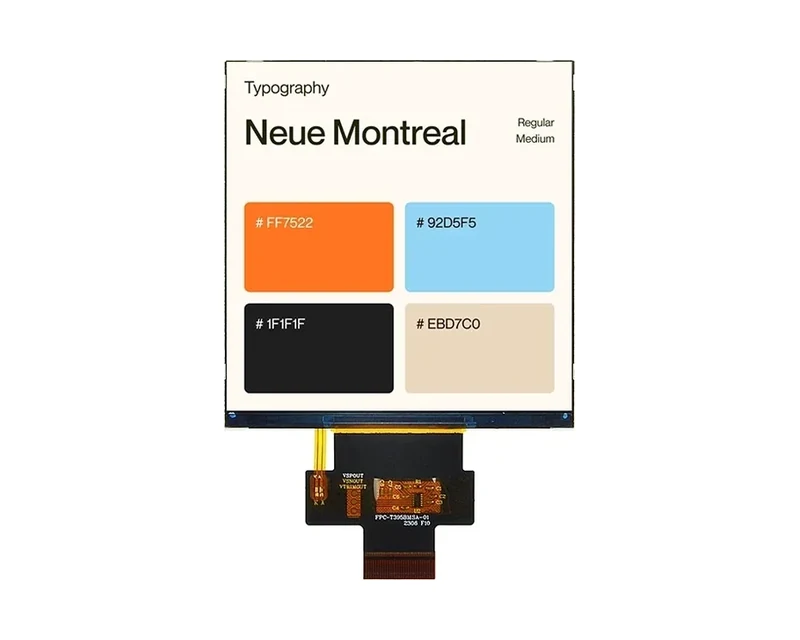
RG-T0395BMSA-01
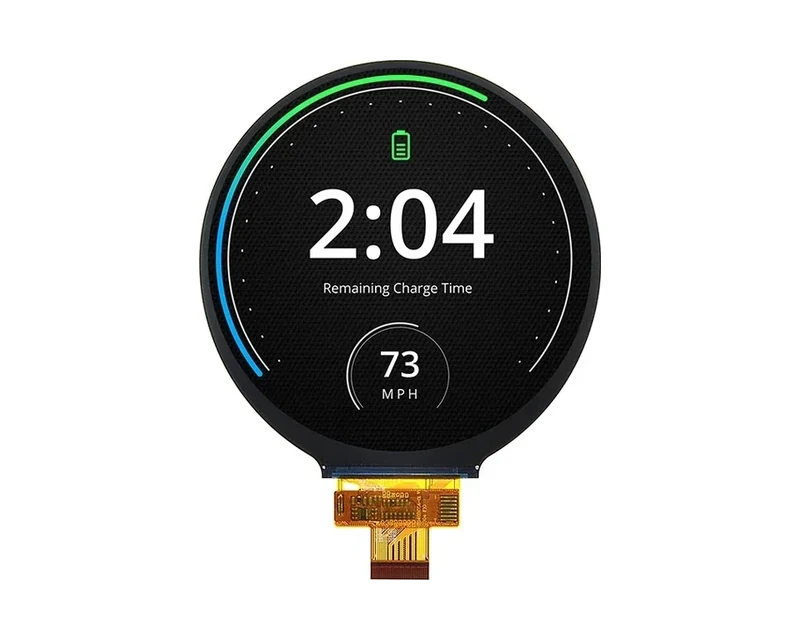
RG-T040BCSA-01
RG-T068BZSA-01
RG-T070BUSA-01
RG-T070TOSA-01
Can’t find the exact model you need?
This is a standard model, and our online catalog shows only part of what we build. We hold additional models not listed here, and we can adjust brightness, interface, touch or outline within an existing product family, or evaluate a fully custom solution. If this model does not fully match your requirements, please email your specifications to sales@odmlcd.com. We’ll help you identify the right part or assess a custom option.
FAQ
Can you support standard supply and development?
Yes. Our 70+-engineer R&D team takes requirements from concept to EVT; for shaped / odd-form displays the concept-to-EVT cycle is 6–8 weeks with NRE from quoted per project depending on structural complexity. FPC, backlight, cover-lens, bonding and interface are all customizable.
Do you reliably cover the full small-to-large TFT size range?
Yes. RONEN's standard catalog lists 190+ TFT LCD models from 0.96 to 21.5 inch, spanning IPS, TN, round, bar and square form factors. The range is produced continuously rather than project-by-project, so steady supply is the default, not the exception.
Total capacity: 35,308,420 pcs/year (LCD + CTP combined) (LCD + CTP combined) from our own line — enough headroom to hold both volume and lead-time commitments across the full size range.
See the full list on the products page, or jump to small TFT / industrial TFT.
How do you handle long-term supply and end-of-life (EOL)?
The 190+ standard models are produced continuously rather than project-by-project, backed by our own 35.3M+ pcs/year capacity, so steady multi-year supply is the default. For automotive and medical programs this is reinforced by IATF 16949 (incl. product design, Ch. 8.3) and ISO 13485 certifications.
We operate a PCN / EOL notification process and support last-time-buy planning. Request the formal obsolescence and long-term-supply policy for your program on the contact page.
Why choose a round, square or bar module instead of a standard rectangle?
Because the instrument opening is rarely rectangular. A round panel fits a dial bezel, a square one fits an icon tile, and a bar one fits a ratio strip without wasting space. RONEN's 19 special-format modules cover all three shapes up to 7.0", so the enclosure is designed around the instrument rather than around a rectangle.
What should I specify for a cluster that starts cold?
Specify the response time at the low end of the operating range, not only the temperature range itself. Liquid-crystal response rises steeply in the cold, so a module rated to a low temperature can still look sluggish for the first minutes after power-up. Where the enclosure allows it, a heater film behind the panel removes the ambiguity.
Can you produce custom masks and cut corners for a needle-style layout?
Yes. Custom masks, cut corners and needle-style graphics are routine ODM work for this family. The bonding stack and the mechanical constraint around the cut-out are reviewed together, because a mask that looks correct on the drawing can still concentrate stress at the edge under thermal cycling and vibration.
Can you replace a discontinued round or bar instrument panel?
Often, yes. Start from the outline drawing, interface and luminance of the original part. The cross-reference database maps discontinued modules to candidates, and where an exact match is not in the catalog the same families can be adjusted for brightness, touch and outline through ODM.
Do you support both prototype builds and volume production?
Yes. Standard special-format modules can be sampled from the catalog, and the same families scale into volume production from our own line. Total capacity is 35,308,420 pcs/year (LCD + CTP combined), and the standing range is produced continuously rather than project by project. For a custom outline, the concept-to-EVT cycle is typically 6–8 weeks.