
Handheld Terminal Display Modules — 3.5″–5.0″ Touch TFT | RONEN
Barcode scanners, inventory terminals, field meters and two-way radios share one requirement: a compact, drop-surviving display you can read outdoors. RONEN builds 31 touch-integrated modules from 3.5″ to 5.0″ with 320x240–800x480 resolution and up to 850 cd/m² — plus ODM standard range for cover lens, bonding and FPC shape.
- 31 modules 3.5″–5.0″ with CTP or resistive touch
- High-brightness options to 850 cd/m² for outdoor use
- Rugged ODM builds: cover lens, optical bonding, custom FPC
What a Handheld Terminal Actually Asks of a Display
A barcode scanner, a field meter and a two-way radio are not industrial panels that happen to be small. They are dropped, carried in a pocket, used in direct sun and operated while the user is wearing gloves. Four conditions account for most display complaints in these products, and none of them appears on the first line of a datasheet.
Readability outdoors. A handheld is used where the light is, not where it is convenient. Ambient light reflects from the cover glass and washes out the image, so brightness alone is not the answer. Optical bonding removes one reflective interface, and a transflective stack uses sunlight rather than fighting it. The 31 modules in this family reach up to 850 cd/m², and the same families can be built brighter for outdoor programs.
Drop and vibration survival. The glass rarely fails first. The FPC tail, the connector latch and the bezel fixings take the load. A locking connector, strain relief on the tail and a mechanically relaxed bond line do more for field life than a hardened-looking front surface.
Glove and wet-hand operation. Resistive panels respond to any stylus or gloved finger and tolerate water on the surface; capacitive panels give better clarity and multi-touch but need a tuned controller and a suitable cover-lens stack. The choice is an application decision, not a specification upgrade.
Size against battery budget. A 3.5" panel leaves room for a larger battery; a 5.0" panel is easier to read but costs power and enclosure space. The families below span 3.5" to 5.0" so the display can be sized to the product rather than the other way around.
Choosing the Size Class
The 31 modules fall into four size classes. Each one suits a different product category:
- 3.5" (9 modules) — barcode scanners, compact meters and radios where one-handed use and pocket size dominate. Resolutions from 320x240 to 640x480.
- 3.97" (2 modules) — 480x800 portrait panels for terminals that show a form or a scan result without stepping up to 4.3".
- 4.3" (10 modules) — the most common handheld class, spanning 480x272 and 800x480. Wide enough for a keypad plus a reading area.
- 5.0" (10 modules) — 480x272 and 800x480 panels for field terminals and larger instruments where the display is the primary interface.
All are IPS or TN modules with either capacitive (CTP, 18 models) or resistive (RTP, 13 models) touch integrated, so the touch technology can be selected independently of the size class.
Capacitive or Resistive: The Decision Is the Environment
This is the question that most often decides a handheld project. Capacitive touch gives higher clarity, multi-touch and a flat surface that is easy to clean — it suits inventory terminals and devices used with bare fingers. Resistive touch responds to a glove, a stylus or any object, and is more tolerant of water on the surface — it suits warehouses, field service and medical handhelds where the operator cannot remove a glove.
Both options are available across the size range in this family. The controller for a capacitive stack can be tuned for the cover-lens thickness and the EMI environment of the product; a resistive stack is specified by the actuator force and the surface treatment. Ask for the touch stack to be qualified on the finished enclosure, not on a bare panel — a handheld is a mechanical assembly before it is an optical one.
Interface Choice for a Small Host
Handheld hosts are power- and pin-constrained, so the display interface is usually decided by what the SoC already exposes. The 31 modules in this family are mostly RGB variants: 18 use a 24-bit RGB 40-pin interface, with additional 54-pin and RGB/MCU/SPI options for hosts that need a different pin count. One MIPI variant and combined SPI+RGB options cover the remaining cases.
The practical rule is to choose the interface the host supports natively, then hold the pin definition and timing stable across the product life. An interface bridge adds cost, latency and another failure point; where the host has no native display port, selecting a module with a compatible MCU or SPI interface is usually the better design.
Where Handheld Display Specifications Usually Fail
Four failure modes account for most returns from handheld equipment, and none is caught by a functional test at room temperature.
Cold start. Liquid-crystal response rises steeply as temperature falls. A module rated for a low operating temperature can still look sluggish for the first minutes after a winter start outdoors. Specify the response figure at the low end of the range.
Condensation. A warm handheld taken into a cold, humid environment films the inside of the display. A sealed module with desiccant or a breathable membrane, plus a conformal coating on the driver board, decides whether the unit survives its first winter.
Connector and FPC fatigue. Repeated drops load the tail and the connector, not the glass. Locking connectors and strain relief matter more than a rugged front bezel.
Backlight ageing at high output. A panel driven at full current ages faster than one run below its rating. Specify the luminance needed after years of service, not day-one brightness — particularly for devices that are on for a full shift.
Supply Continuity and Field Replacement
Handheld fleets are replaced on a schedule, and a display change mid-program forces a requalification of the whole product. RONEN's standard models are produced continuously rather than project by project, so a module can be carried across several product generations. The 31 modules in this family are part of that standing range.
For equipment already in the field, the same families can be adjusted for brightness, touch, cover lens and FPC outline through ODM — and where an original part is discontinued, the cross-reference database maps it to a candidate. That matters more in a handheld program than in almost any other product, because the enclosure and the firmware are already qualified around the original display.
Choosing a Module for Your Handheld
Start with the environment: outdoor or indoor, gloved or bare-hand, drop-prone or controlled. That fixes the touch technology and the optical stack. Then choose the size class that fits the enclosure and the battery budget, and finally match the interface to the host. The 31 modules below are the standard starting point; from there we can review the bonding, the tail and the cover lens against the actual product.
Send the enclosure outline, the operating environment and the host interface, and our application engineers will return a module recommendation with the qualification evidence for your program.
31 standard models in this family
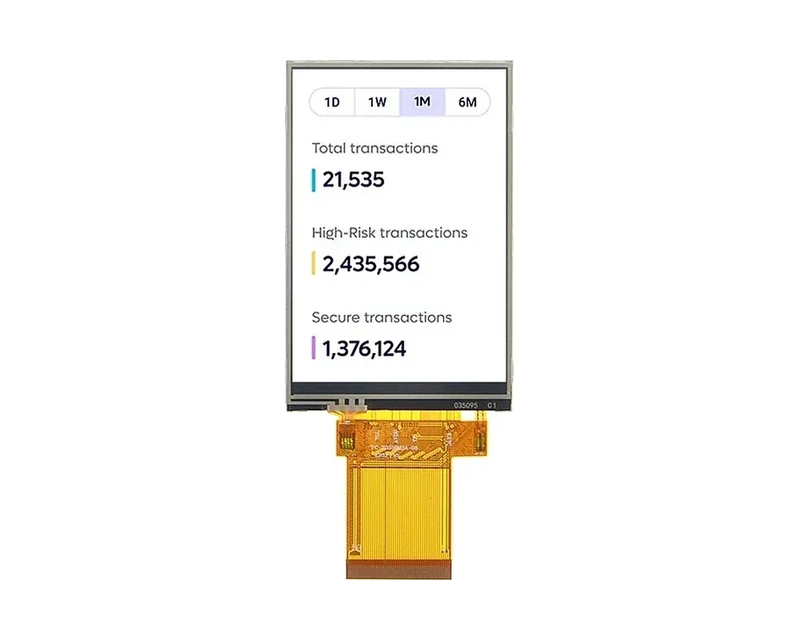
RG-T035BHSA-01P
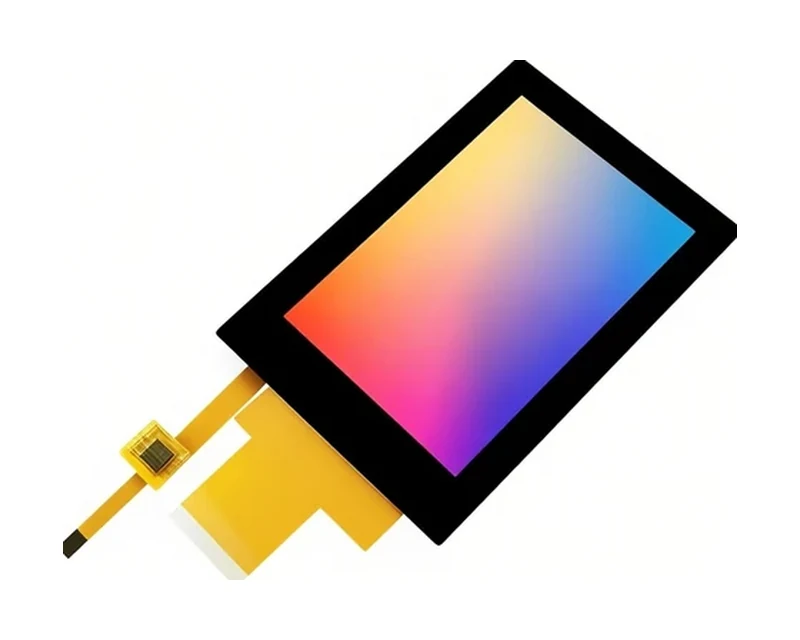
RG-T035QHI-03CP
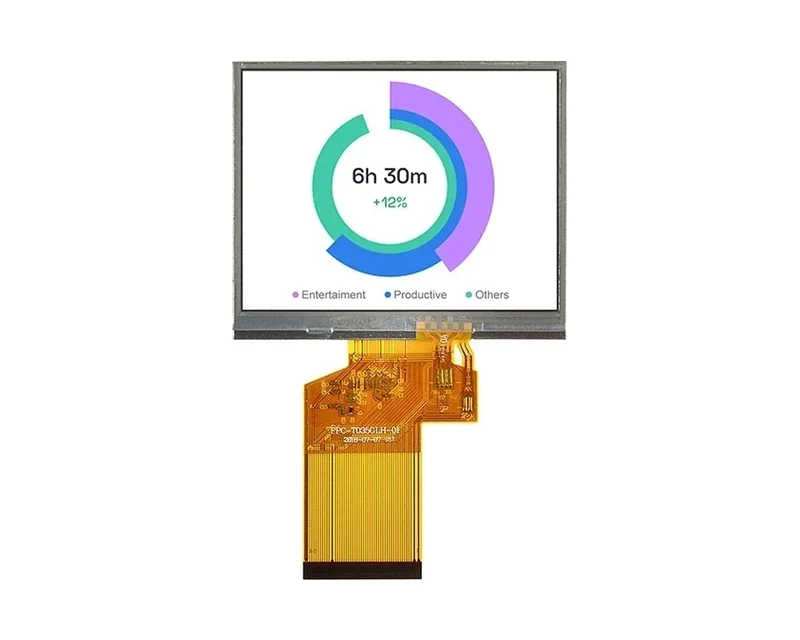
RG-T035GLH-01P
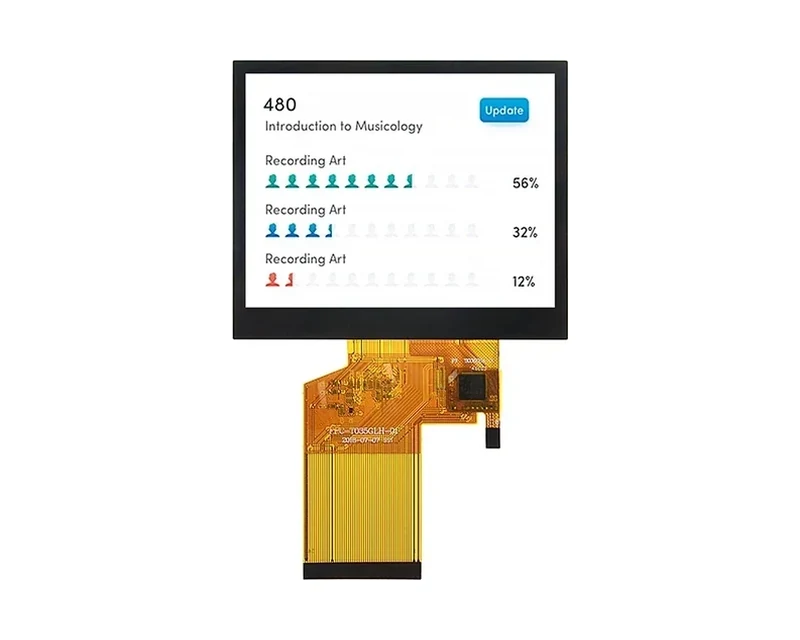
RG-T035GLH-01CA
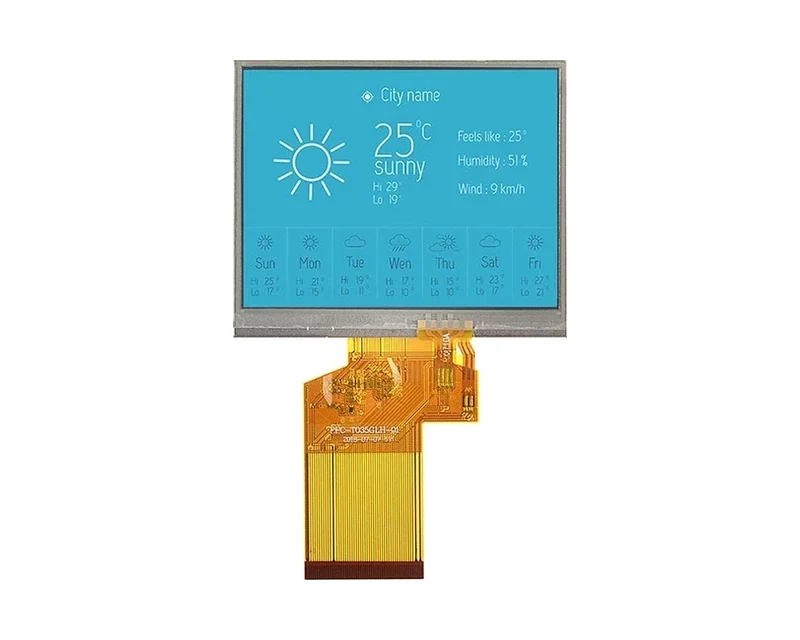
RG-T035GLH-02P
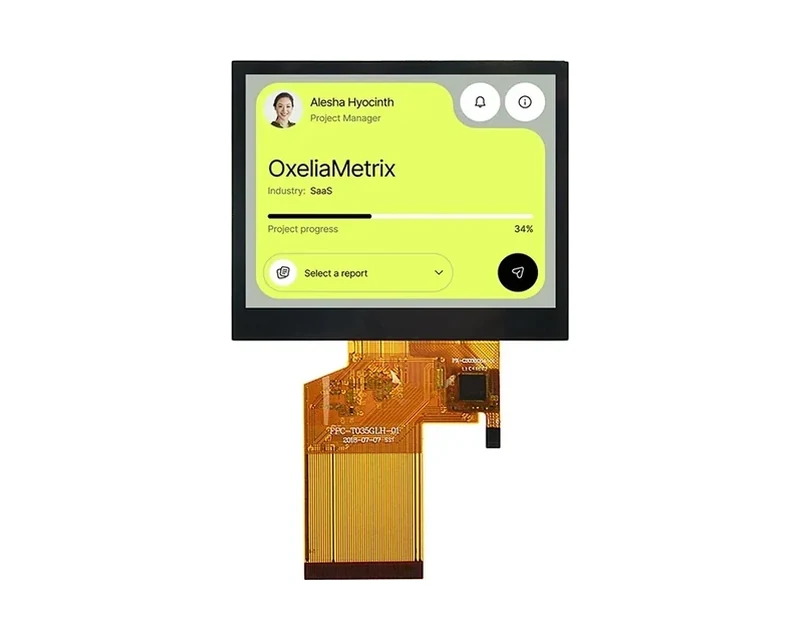
RG-T035GLH-02CA
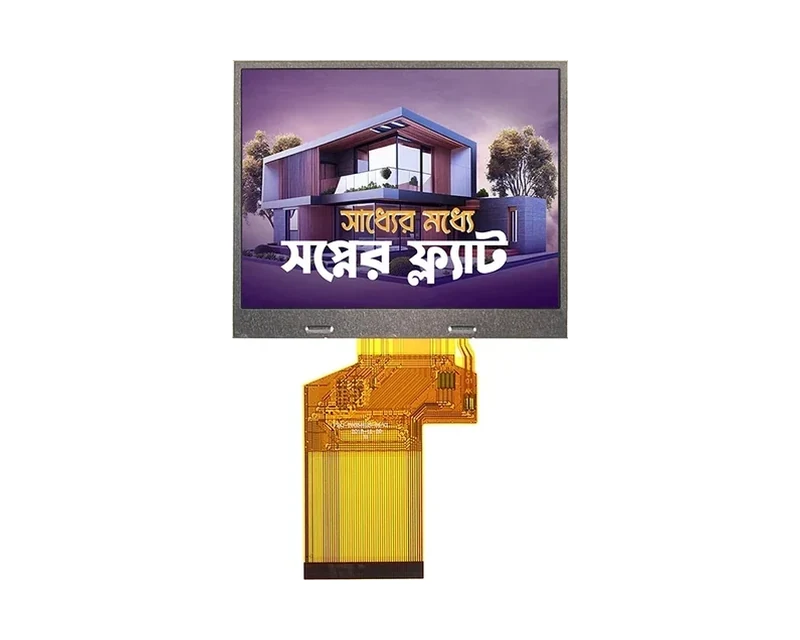
RG-T035HLS-01CP
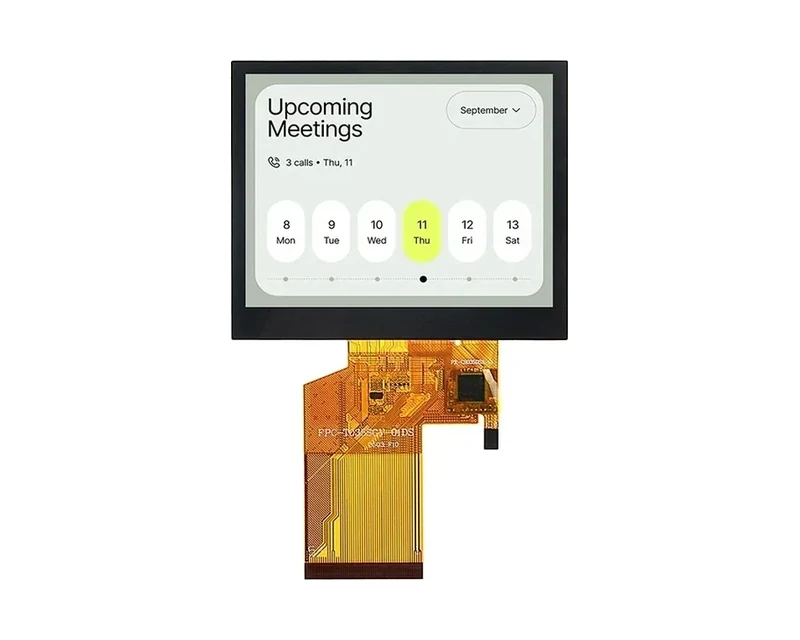
RG-T035SGV-01CP
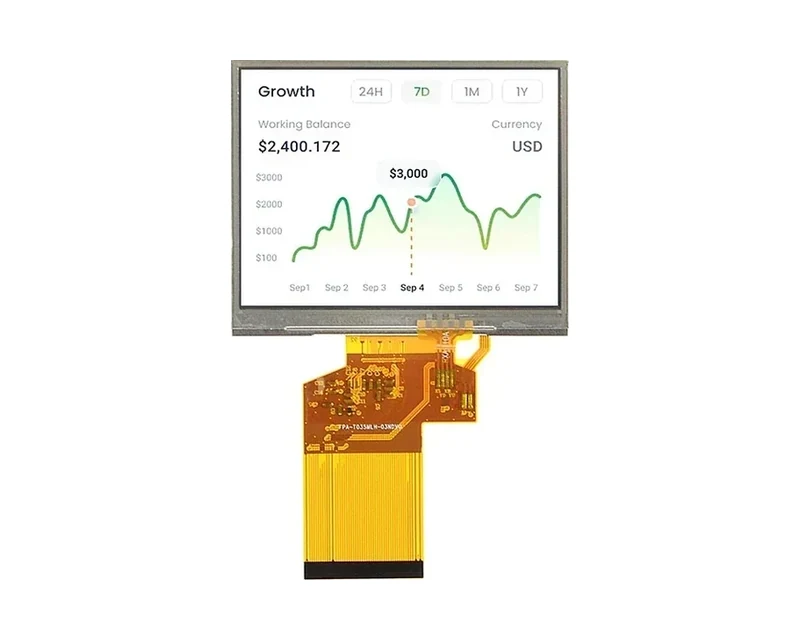
RG-T035SLH-01PD
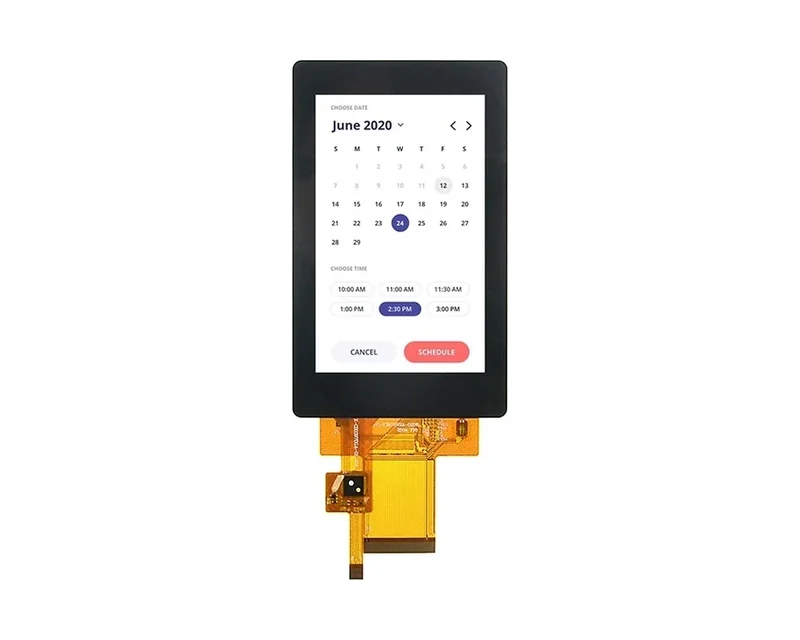
RG-T0397BVSA-02CP
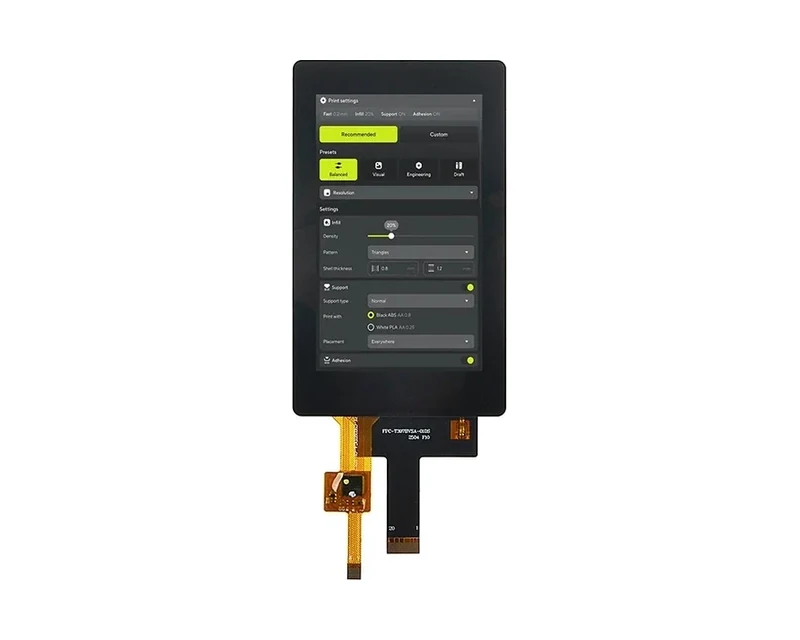
RG-T0397BVSA-01CP
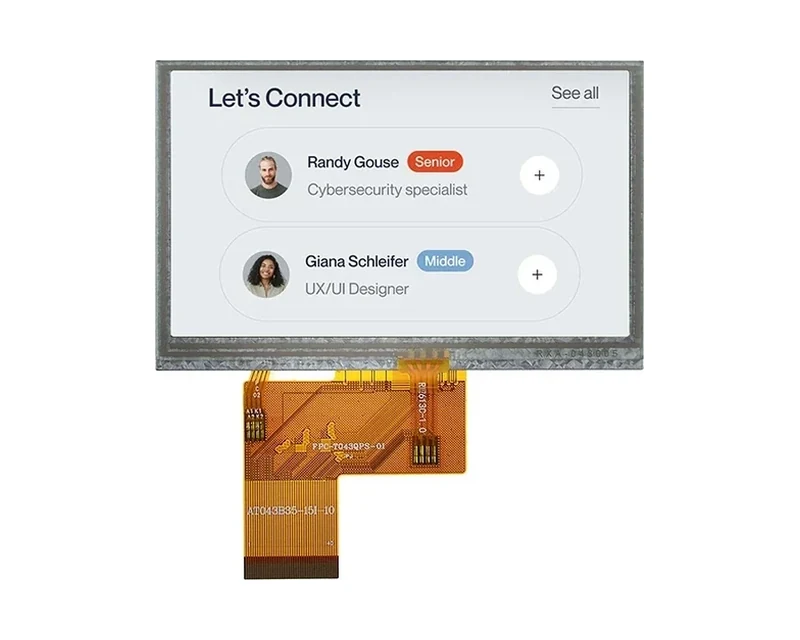
RG-T043QPS-01P
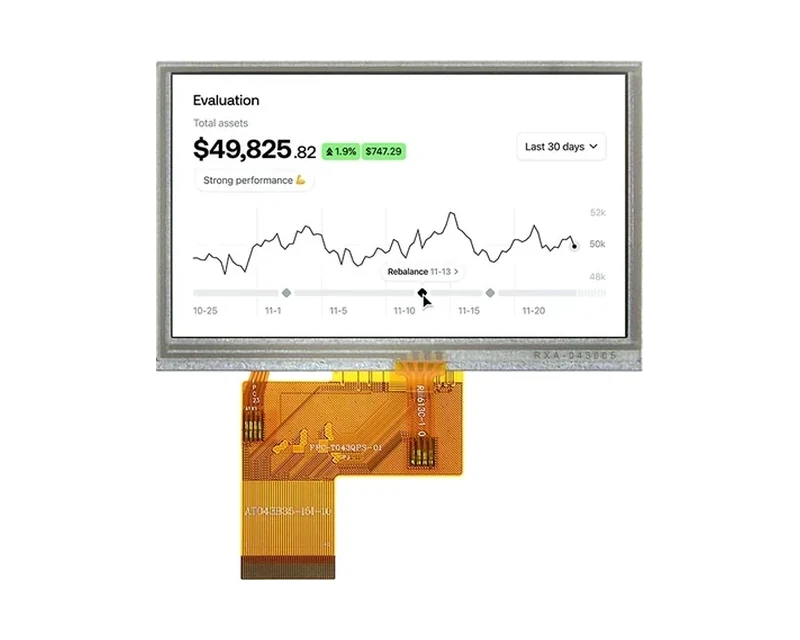
RG-T043QPS-01CA
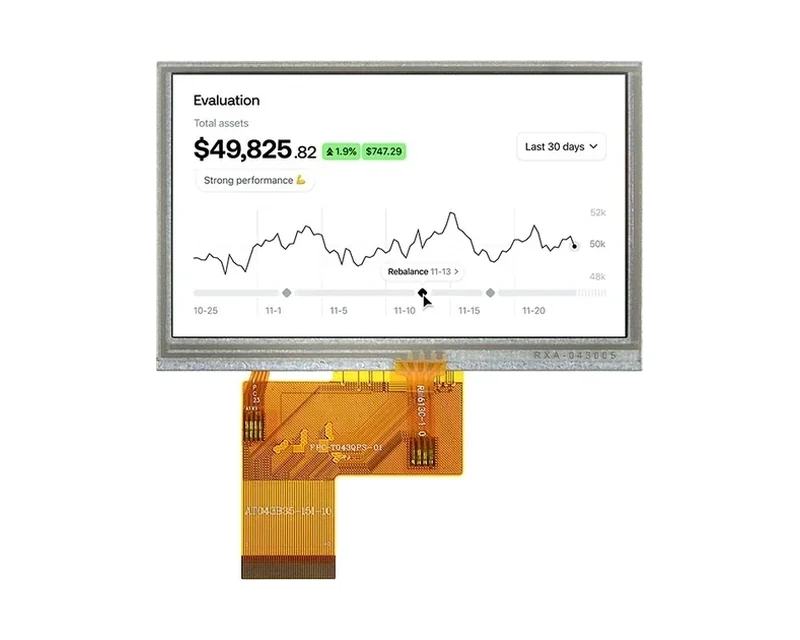
RG-T043QPS-02P
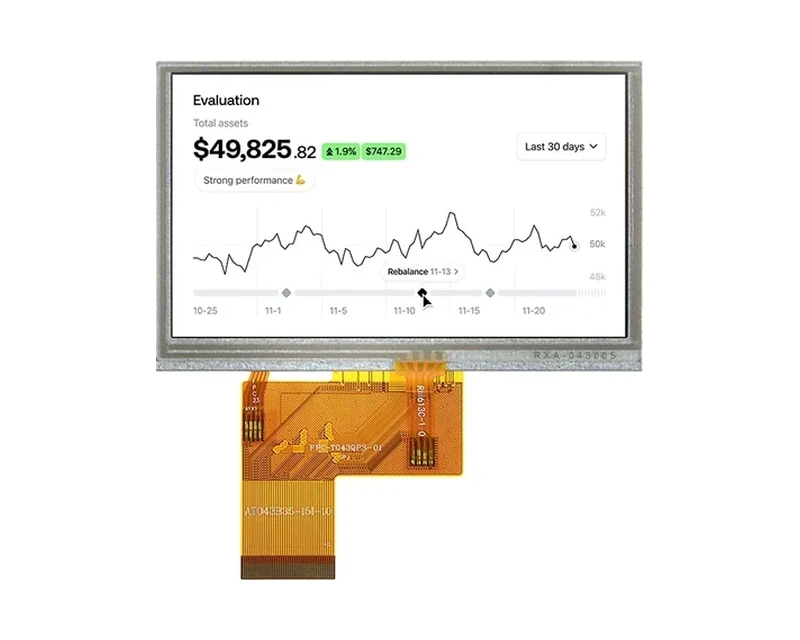
RG-T043QPS-02CA
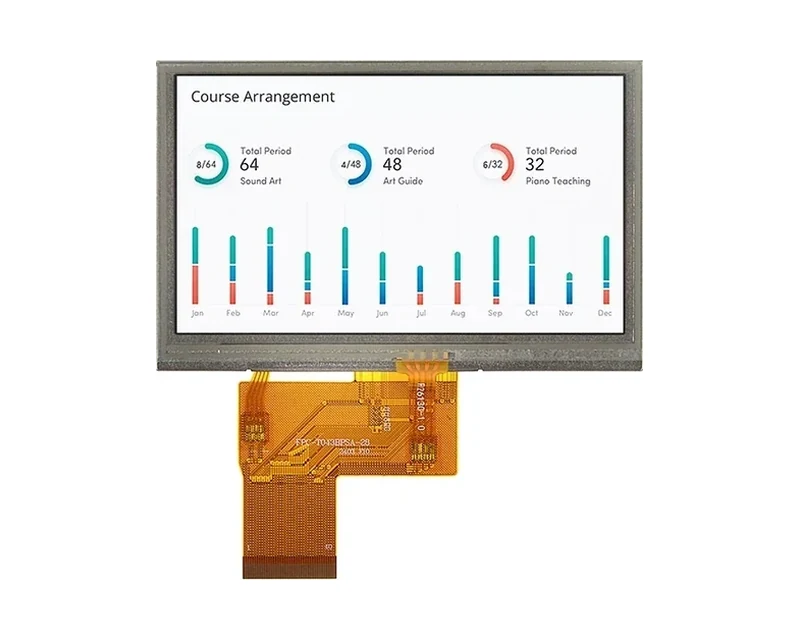
RG-T043BPSA-01P
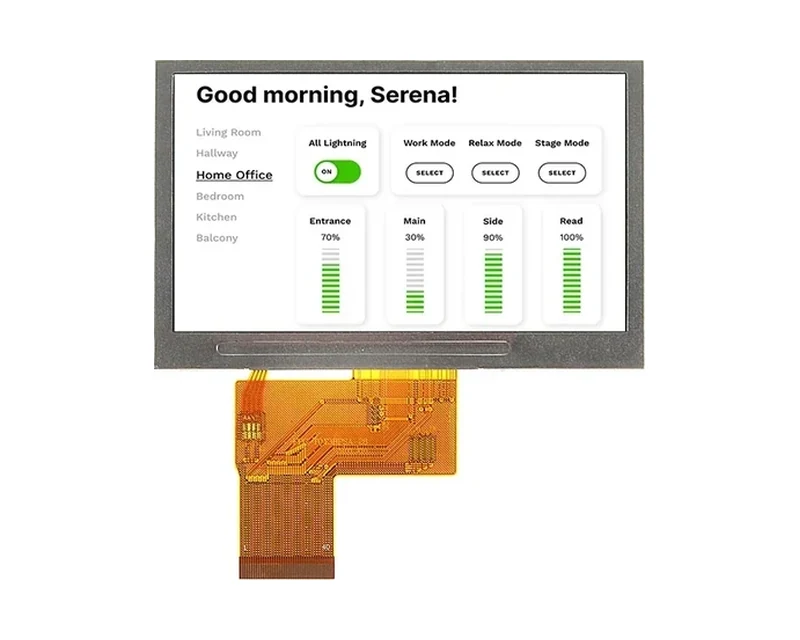
RG-T043BPSA-01CA
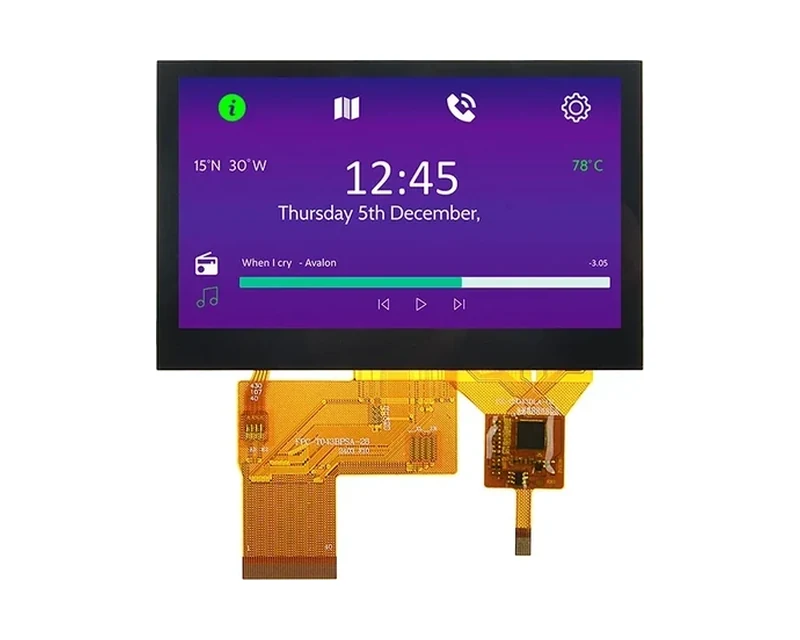
RG-T043BPSA-02CP
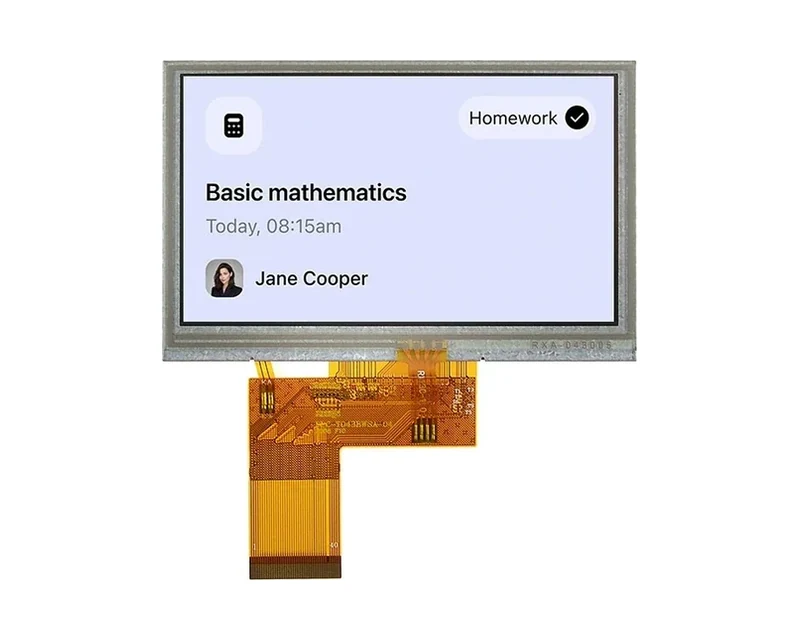
RG-T043BWSA-02P
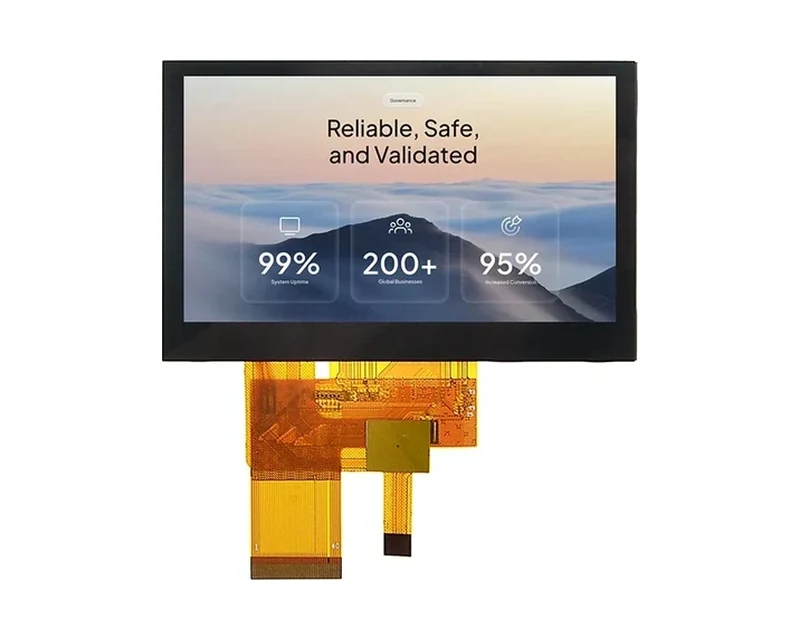
RG-T043BWSA-02CP
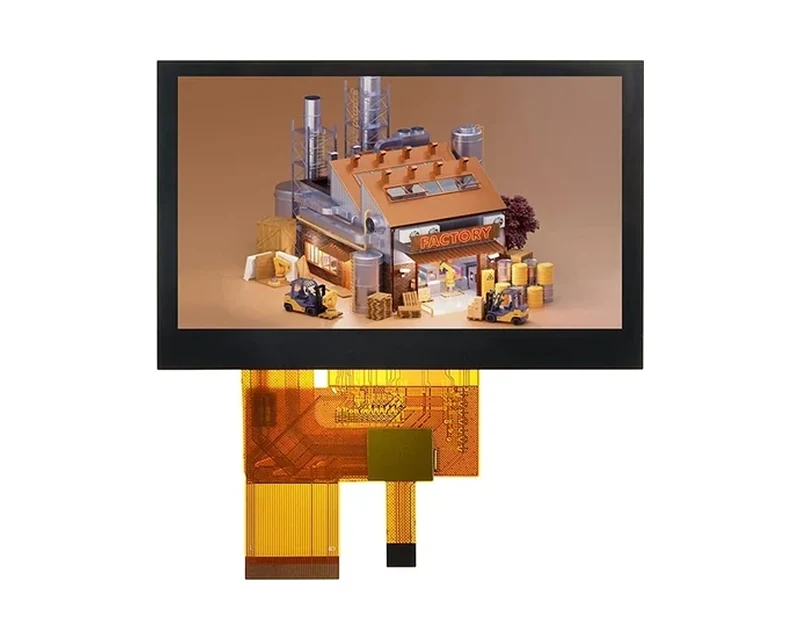
RG-T043BWSA-28CP
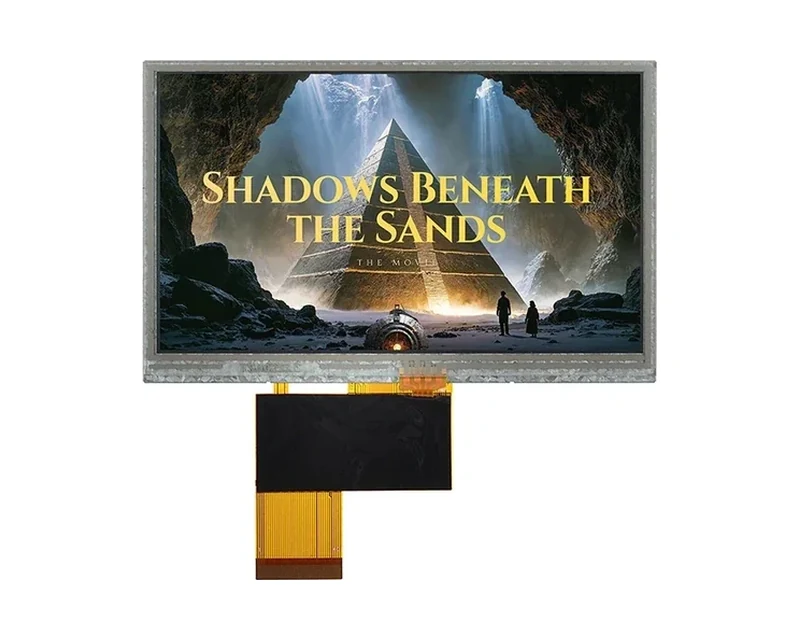
RG-T050BPH-01P
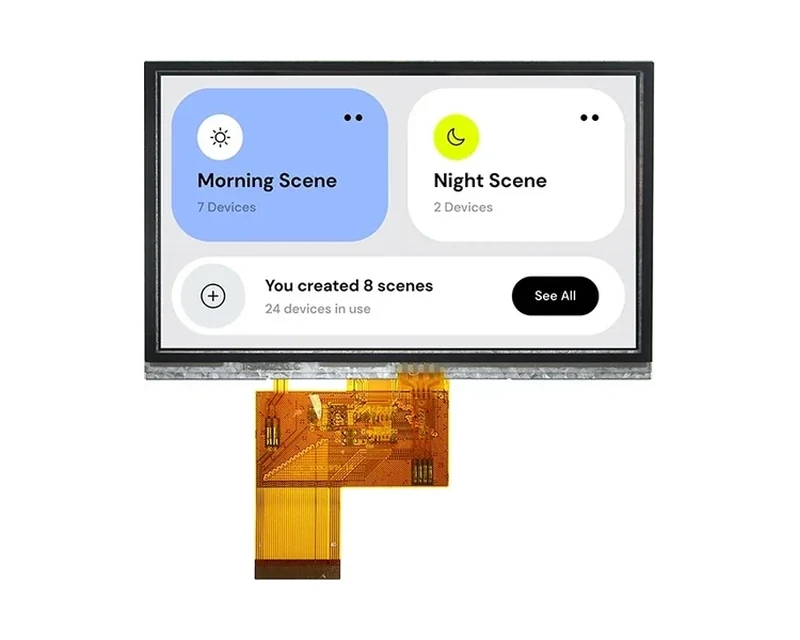
RG-T050BPH-14P
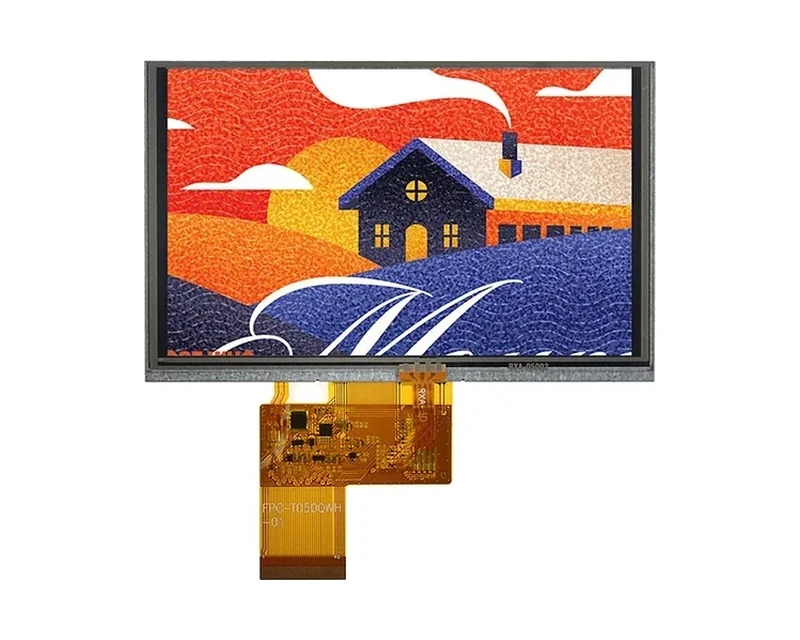
RG-T050QWH-01P
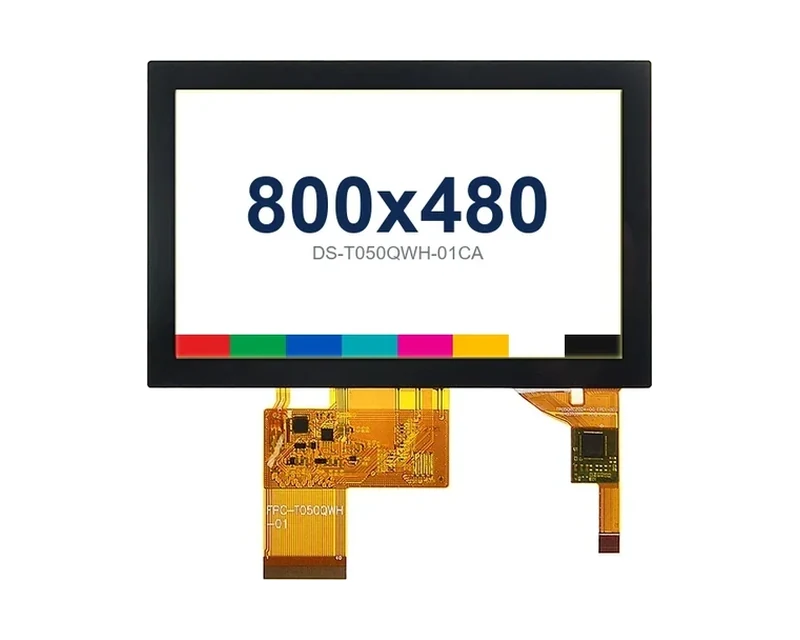
RG-T050QWH-01CA
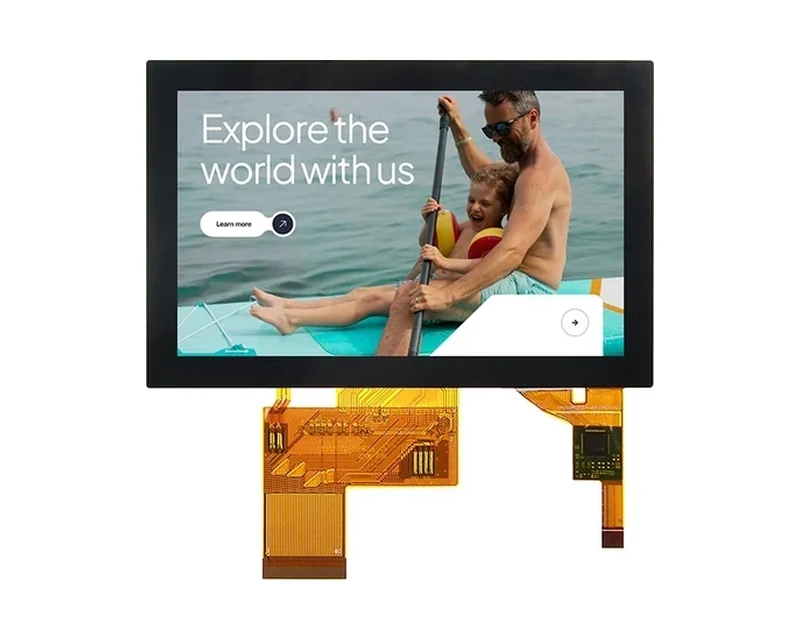
RG-T050BWSA-30CP
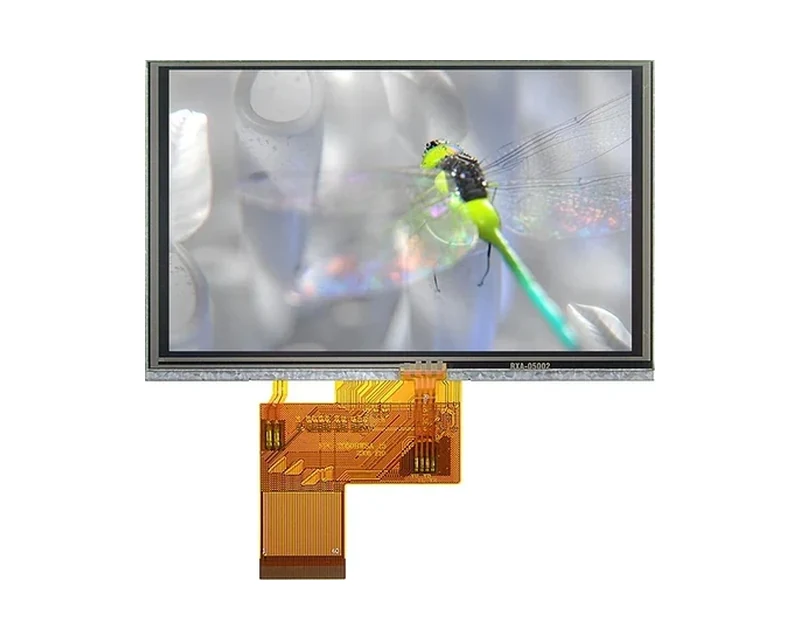
RG-T050BWSA-02P
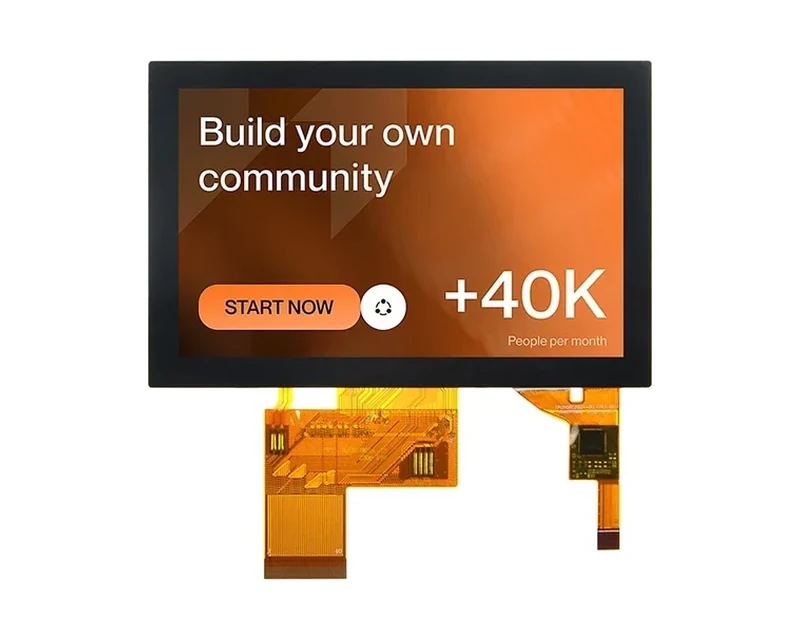
RG-T050BWSA-02CP
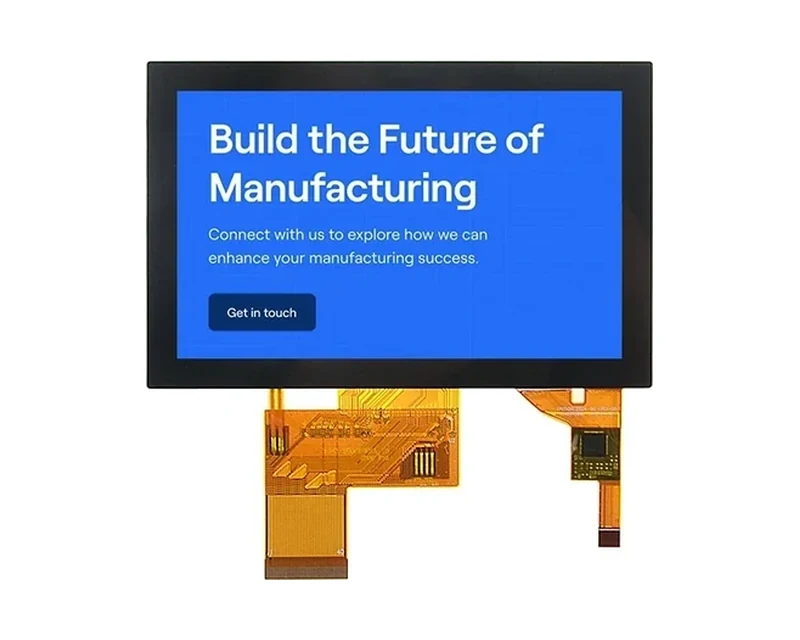
RG-T050BWSWA-02CP
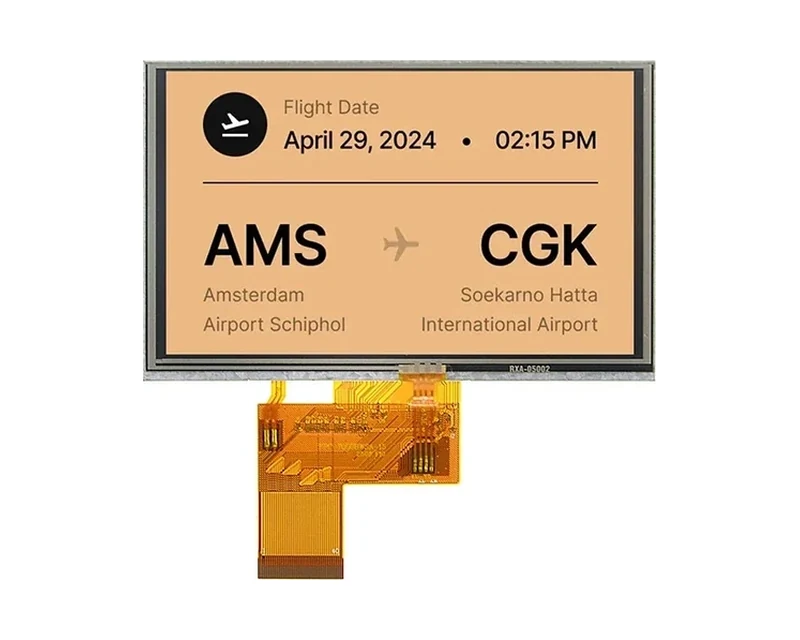
RG-T050BWSA-26P
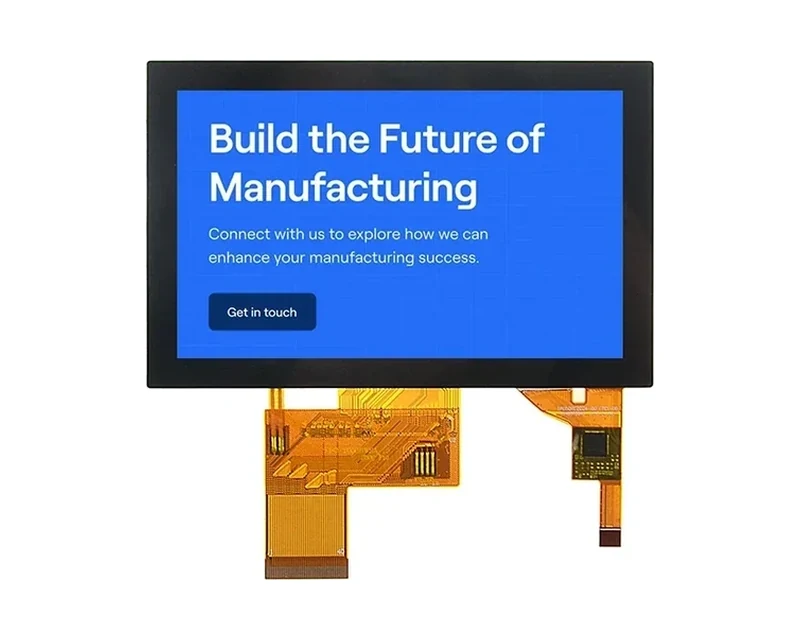
RG-T050BWSWA-02CA
Can’t find the exact model you need?
This is a standard model, and our online catalog shows only part of what we build. We hold additional models not listed here, and we can adjust brightness, interface, touch or outline within an existing product family, or evaluate a fully custom solution. If this model does not fully match your requirements, please email your specifications to sales@odmlcd.com. We’ll help you identify the right part or assess a custom option.
FAQ
Is the touch responsive?
Our PCAP line (36 standard models) supports 10-point multi-touch, glove and wet-hand operation, with ≥100 Hz sampling rate. Controllers are selected for industrial EMI environments and can be tuned for the thickness / cover-lens stack-up.
Are the modules sunlight readable?
Yes. RONEN offers a separate high-brightness line up to 1500 nits (23 standard models ≥1000 cd/m²) for outdoor programs; the 31 modules on this page are the 3.5"–5.0" handheld family and reach up to 850 cd/m². Optical bonding and transflective options keep the image legible under direct sunlight. For outdoor HMI, pair high brightness with a bonded cover lens and anti-glare treatment.
Browse sunlight-readable displays or tell us your ambient-lux target on the contact page.
Do you provide samples, and what is your sample policy?
Yes. We sample every standard model in our 190+ model catalog. Standard catalog parts are available as samples, typically at a nominal charge, with the prototype / sampling cycle confirmed per project in writing. Custom / ODM parts are sampled under the development NRE and timeline on the standard catalog modules page.
Each standard sample ships with the full package — datasheet (including the mechanical outline drawing); the 3D STEP model is available on request — so your mechanical and firmware teams can begin layout before mass production. Small bridge builds (<500 pcs) are supported if you need volume between sample and MP.
Tell us the P/N, quantity and destination on the contact page, and we'll arrange the sample handover under the forwarder and Incoterm nominated by your side.
Which size should I choose for a handheld device?
Start with the enclosure and the battery budget. This family spans 3.5" (9 modules) through 3.97" (2), 4.3" (10) and 5.0" (10). Smaller panels leave room for a larger battery and one-handed use; larger ones are easier to read but cost power and space. All are available with CTP or resistive touch.
Should I specify capacitive or resistive touch?
It depends on the environment. Capacitive touch gives better clarity and multi-touch for bare-hand use; resistive touch responds to a glove, stylus or any object and tolerates water on the surface. Both are available across this family — 18 capacitive and 13 resistive modules. Qualify the stack on the finished enclosure, not on a bare panel.
Are these 31 modules sunlight readable?
This handheld family reaches up to 850 cd/m² and supports optical bonding and transflective options for outdoor use. RONEN also maintains a separate high-brightness line up to 1500 nits for programs that need more output; that is a different set of models, not part of the 31 listed here.
What survives a drop in these modules?
In practice the glass is rarely the first failure — the FPC tail, the connector latch and the bezel fixings take the load. Locking connectors, strain relief on the tail and a mechanically relaxed bond line matter more than a hardened front surface. Specify these at the enclosure design stage.
Can you replace a discontinued handheld display?
Often, yes. Start from the outline, interface and luminance of the original part. The cross-reference database maps discontinued modules to candidates, and where an exact match is not in the catalog the same families can be adjusted for brightness, touch and outline through ODM.