
Industrial Control TFT LCD Displays & Modules — Size & Interface Guide
RONEN supplies 190+ standard industrial control TFT LCD displays and modules from 0.96 to 21.5 inch. Every module is built in our 23,700㎡ ISO 9001:2015 factory with IPS panels, high brightness, capacitive touch and wide-temperature options. Browse the catalog or start a custom project.
- 190+ standard models from 0.96″ to 21.5″ — TN & IPS, with or without touch
- Interfaces: SPI, RGB, MCU, LVDS, MIPI-DSI, eDP and HDMI
- Options: sunlight-readable up to 1500 cd/m², −30 °C wide temperature, capacitive (CTP) touch
- 23,700㎡ ISO 9001:2015 factory; samples follow the agreed project plan
Five Questions That Decide the Part
Most failed display selections are not wrong on the datasheet — they are right on four axes and wrong on the fifth. Before comparing part numbers, fix these five in writing, because each one eliminates a large block of the catalog and each one costs money to change later:
| Question | What it fixes | What it is easy to get wrong |
|---|---|---|
| What is the active area, not the diagonal? | Outline, bezel and mounting bosses | Two 7.0″ panels can differ by several millimetres in outline; the enclosure is drawn from the drawing, not the diagonal |
| Which interface does the SoC actually expose? | Pin count, cable length, bridge chips | A 24-bit RGB panel needs 28 signals; adding a bridge to reach MIPI adds height, cost and another clock to place |
| What luminance does the worst viewing condition need? | Backlight power, thermal budget, LED life | Specifying indoor parts for a window position, then discovering the fix is a new panel, not a brighter setting |
| What temperature does the panel see, not the room? | LC response, backlight derating, polariser life | Cabinet heat and solar gain add 10–25 °C above ambient, which moves a −20 °C part out of spec |
| Is touch part of the display or the enclosure? | Stack height, bonding, service path | An air-gap touch added late changes reflectance and depth; a bonded one changes the service model |
Interface Generations and Where Each One Stops Working
The interface is the most common source of late-stage redesign, because it is chosen for the first prototype and then has to survive a longer cable, a faster frame rate or an EMC test. The five families in this catalog trade pin count against distance:
| Interface | Signals | Practical cable | Sweet spot | Where it hurts |
|---|---|---|---|---|
| SPI (4-wire) | 4–6 | Inside one board | Small panels, status displays, low frame rate | Bandwidth: a full 320×480 frame at 16 bpp takes about 60 ms at 40 MHz before command overhead |
| 8080 MCU (8/16-bit) | 12–22 | Short flex | Legacy 8/16-bit MCUs, simple GUIs | Pin count on a small MCU; no good for video |
| RGB (parallel) | 24–28 | Under ~300 mm | 5″–10″ HMI on an MPU with an LCD controller | Skew and EMI on longer cables; 28 lines on a two-layer board |
| LVDS | 4–8 pairs | Several metres | 10″–21.5″, industrial cabinets, long runs | Needs a serializer on the host; pair matching on the connector |
| MIPI-DSI / eDP | 1–4 lanes | Short (DSI), medium (eDP) | Mobile-derived SoCs, high resolution | DSI is fussy about impedance and length matching; eDP needs an assigned lane count |
Rule of thumb for a first layout: if the panel is within 200 mm of the processor and the SoC has a parallel LCD controller, RGB is the cheapest path; if the cable must cross a cabinet, LVDS earns its serializer. Bridging upward (RGB panel behind a MIPI SoC) is common and workable, but it is a component with its own firmware, and it belongs on the schematic from day one.
Luminance: 250 to 1500 cd/m² and What Each Step Costs
Brightness is bought with current, and current is bought with heat. The bands that matter in practice:
- 250–350 cd/m² — indoor equipment under normal office lighting. The cheapest and longest-lived option; the backlight runs well below its thermal limit.
- 500–700 cd/m² — factory floors with skylights, vehicle cabs, machine tops under task lighting. Roughly double the LED current of the indoor band.
- 800–1000 cd/m² — semi-outdoor, window-facing, shaded exteriors. From here, an anti-reflective front treatment contributes as much as the nits.
- 1200–1500 cd/m² — direct sun. Panel dissipation becomes a mechanical problem: the enclosure must remove several times the heat of an indoor build.
The lifetime consequence is often ignored: LED life is quoted to a luminance fraction, commonly L70 at 30,000–50,000 hours. Running a 1500 cd/m² panel at full output for 24/7 duty reaches the end of that window in three to six years — inside the service life of industrial equipment. Where the application allows, specify the higher-brightness part but drive it lower; headroom is cheaper than replacement.
What a −30 °C Rating Actually Tests
Three different numbers hide behind “wide temperature”, and they are not interchangeable:
- Storage temperature — survives transport and an unheated warehouse. Says nothing about whether the image appears at power-up.
- Operating temperature — the panel works within spec across the range, but response time at the cold end can be several times the 25 °C figure. A −30 °C panel that takes two seconds to show a legible image is within spec and still unusable for a cold-start HMI.
- Cold-start behaviour — the number to ask for explicitly if the equipment starts outdoors in winter. Where it matters, a heater film behind the panel or a pre-warm delay in firmware is the usual fix.
At the hot end, the panel’s own backlight is part of the thermal problem. A cabinet rated to +70 °C ambient may see the panel surface 10 °C higher once the backlight has run for an hour, which is why “ambient” and “panel temperature” must be distinguished in the thermal test.
Touch: None, Resistive or Capacitive
The choice is usually made on fashion and then defended on function. The functional split is narrower than it looks: resistive works with any glove and any stylus, needs pressure, and shows a soft image through its air gap; capacitive gives multi-touch and a hard, flat front, but needs a conductive path — a bare finger, a capacitive stylus, or a glove designed for it. Where operators wear thick nitrile or leather gloves, a capacitive panel needs a controller tuned for the glove thickness, and even then the usable pressure threshold rises. If the process cannot tolerate a missed press, resistive is still the safer answer.
Finding the Right Page in a 190+ Model Catalog
This page is the map rather than the territory: the grid below lists 48 modules from 0.96″ to 3.66″, while the full catalog runs to 21.5″. The category pages group the same parts by the constraint that usually decides the job:
- Small TFT modules — 0.96″–3.5″, round, square and bar cuts for wearables and handhelds
- Capacitive touch modules — 36 CTP-integrated parts, 3.5″–15.6″
- Wide temperature displays — −30 °C builds for outdoor and vehicle use
- Sunlight readable displays — 800 cd/m² and above
- Industrial HMI displays — 7″–15.6″ with RTP or CTP
- Medical device displays — 4.3″–15.6″ for monitors and analysers
- Railway, elevator and automotive displays — the same panels specified against three different environments
- Round and bar-type modules — true-circular and stretched cuts
The 48 Modules Listed Below
Read the table as a coverage map: which resolutions exist at each diagonal, and how many of those parts carry IPS rather than TN. At 3.5″ the spread is widest because that diagonal serves handhelds, HMI fronts and instruments with different resolution needs.
| Size | Models | Resolutions in this range | Panel / touch variants | Where it usually goes |
|---|---|---|---|---|
| 0.96″ | 1 | 80×160 | IPS 1 | Status icon, wearable |
| 0.99″ | 1 | 128×115 | IPS Round 1 | Round wearable |
| 1.3″ | 2 | 240×240 | IPS Round 1 / IPS Square 1 | Dial, small wearable |
| 1.54″ | 1 | 320×320 | IPS Square 1 | Badge, sensor readout |
| 1.77″ | 2 | 128×160 | TN 2 | Handheld status |
| 2.0″ | 2 | 240×240, 320×240 | IPS 2 | Instrument face, round gauge |
| 2.1″ | 1 | 480×480 | IPS Round 1 | Round gauge |
| 2.3″ | 1 | 480×320 | IPS 1 | Portable instrument |
| 2.4″ | 1 | 240×320 | IPS 1 | Handheld terminal |
| 2.7″ | 1 | 240×240 | IPS Square 1 | Compact instrument |
| 2.76″ | 1 | 480×480 | IPS Round 1 | Round gauge |
| 2.8″ | 4 | 240×320 | IPS 3 / TN 1 | Handheld, POS accessory |
| 2.95″ | 2 | 480×854 | IPS 2 | Compact HMI |
| 3.0″ | 1 | 360×640 | IPS Bar 1 | Bar status strip, portable instrument |
| 3.1″ | 1 | 480×800 | IPS 1 | Instrument cluster |
| 3.4″ | 1 | 800×800 | IPS Round 1 | Vehicle / marine gauge |
| 3.45″ | 1 | 340×800 | IPS Bar 1 | Bar indicator |
| 3.5″ | 23 | 240×320, 320×480, 320×240, 640×480, 800×600, 480×640 | IPS 12 / TN 10 / MVA 1 | Handheld, HMI front panel |
| 3.66″ | 1 | 240×480 | IPS Bar 1 | Bar status strip |
Standard Modules in This Range
48 standard models in this family
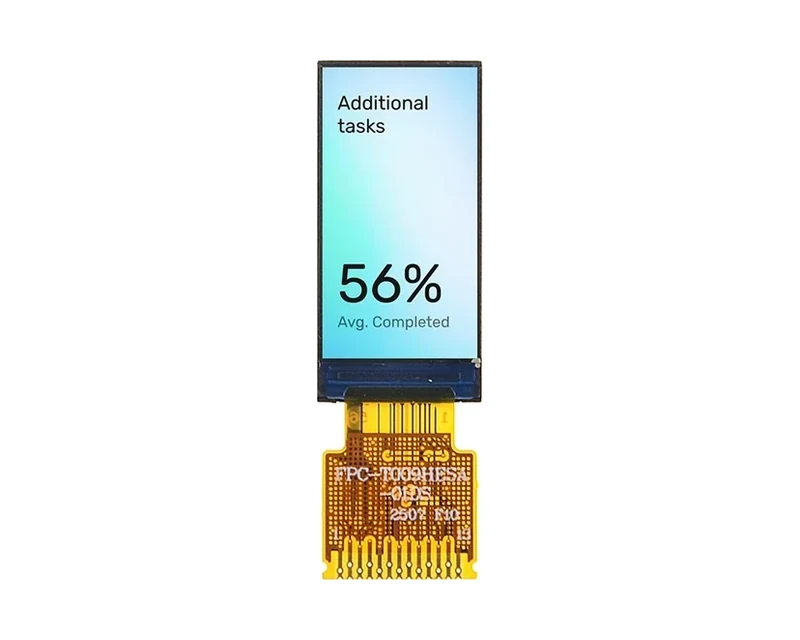
RG-T009HESA-01
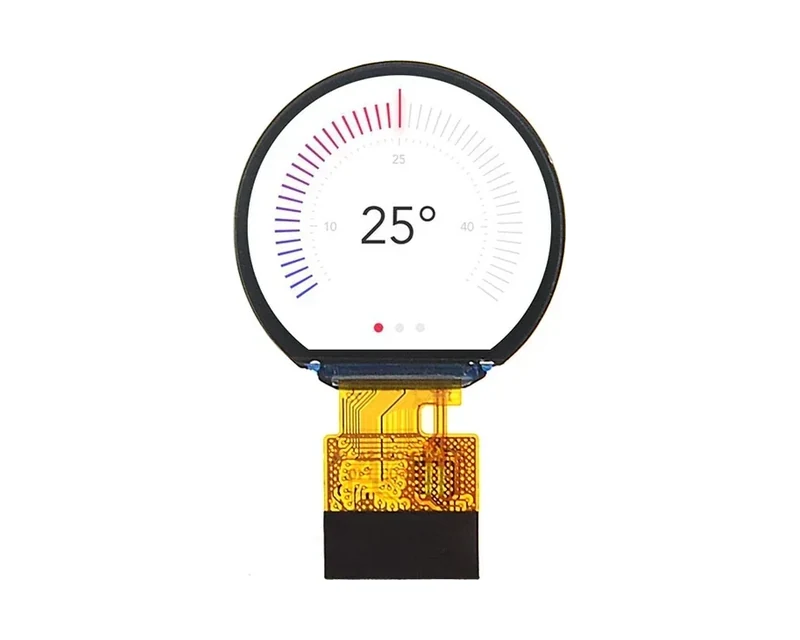
RG-T010BCSA-01
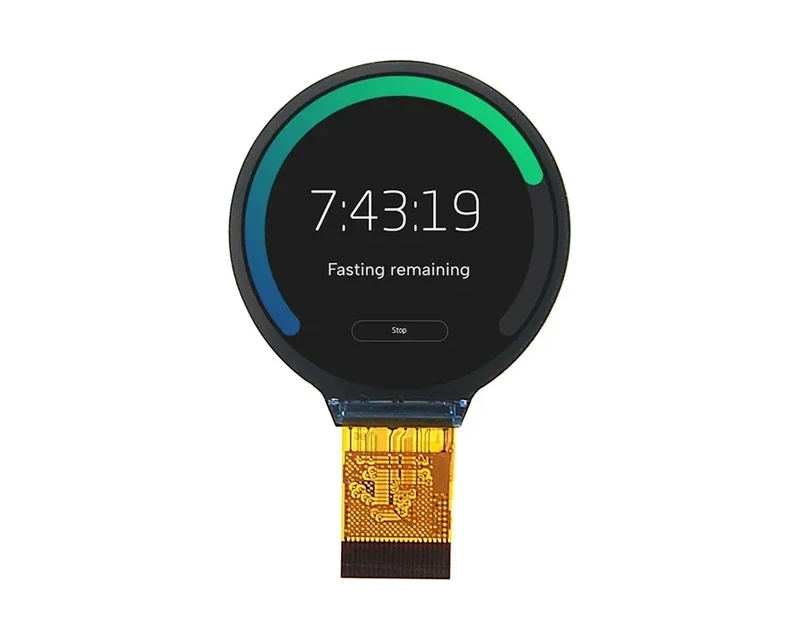
RG-T013HQGA-01
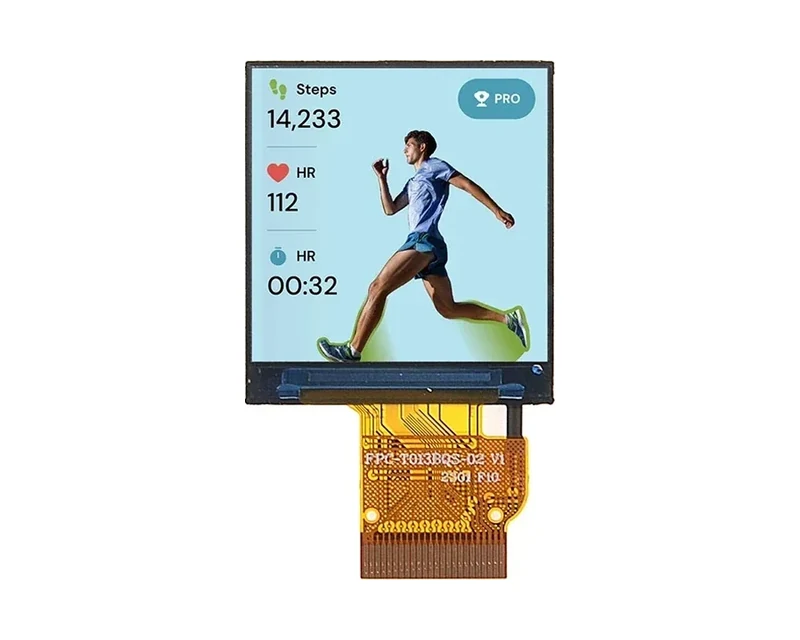
RG-T013BQSA-01
RG-T015BOSA-01
RG-T0177SSI-02
RG-T0177SSS-01
RG-T020BQSA-01
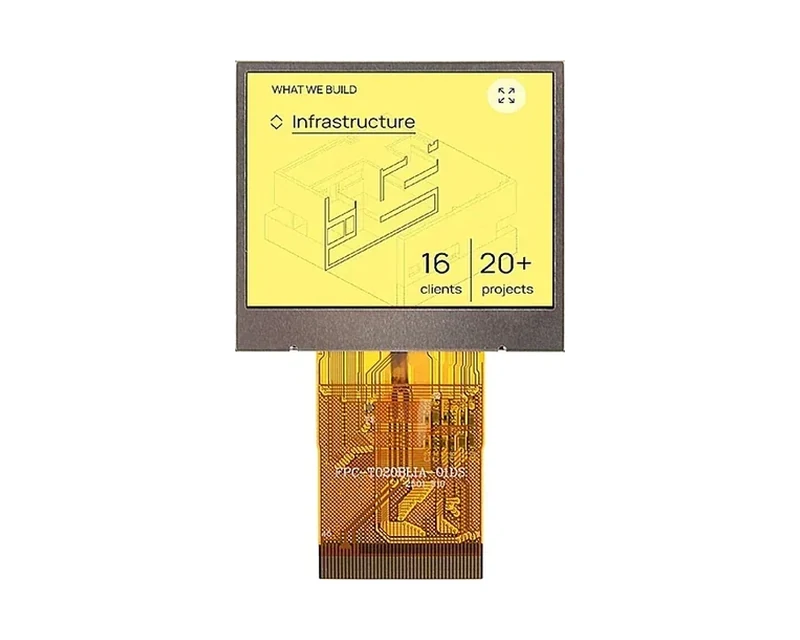
RG-T020BLIA-01
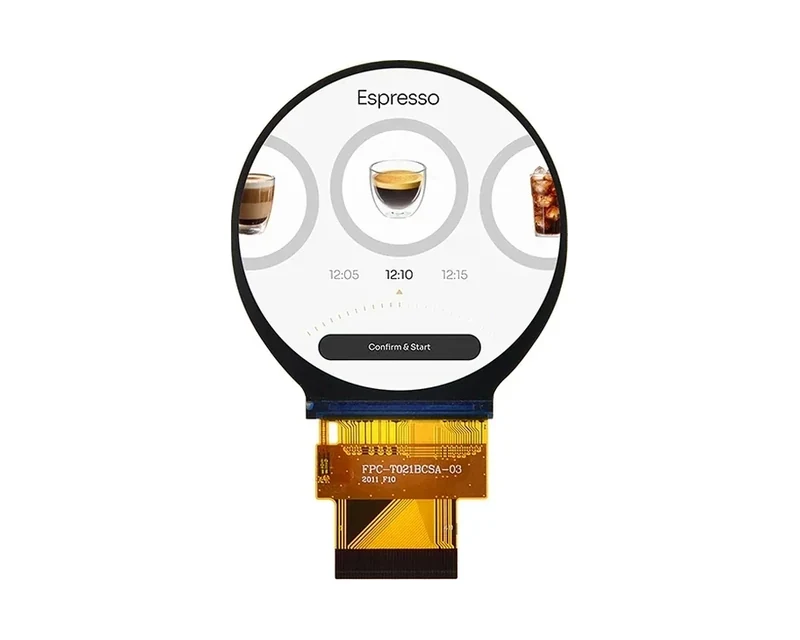
RG-T021BCSA-02
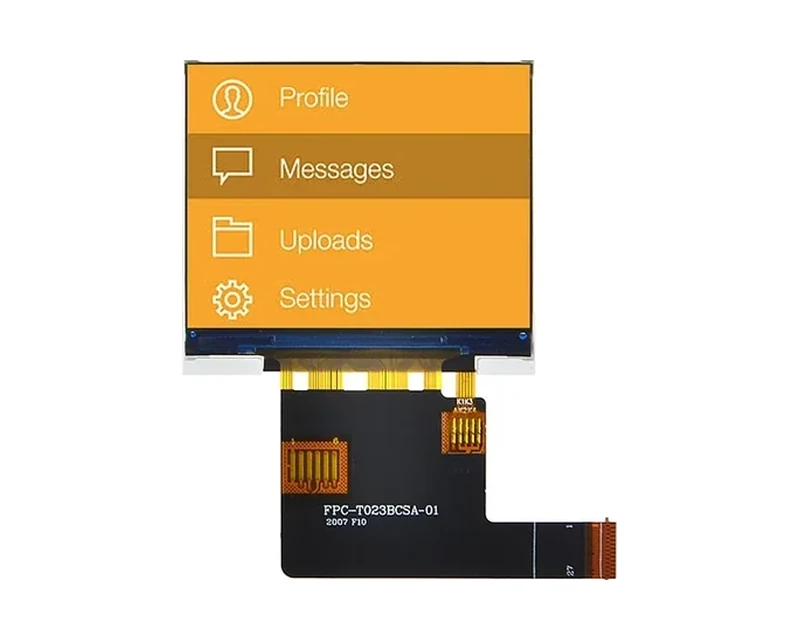
RG-T023BCSA-01
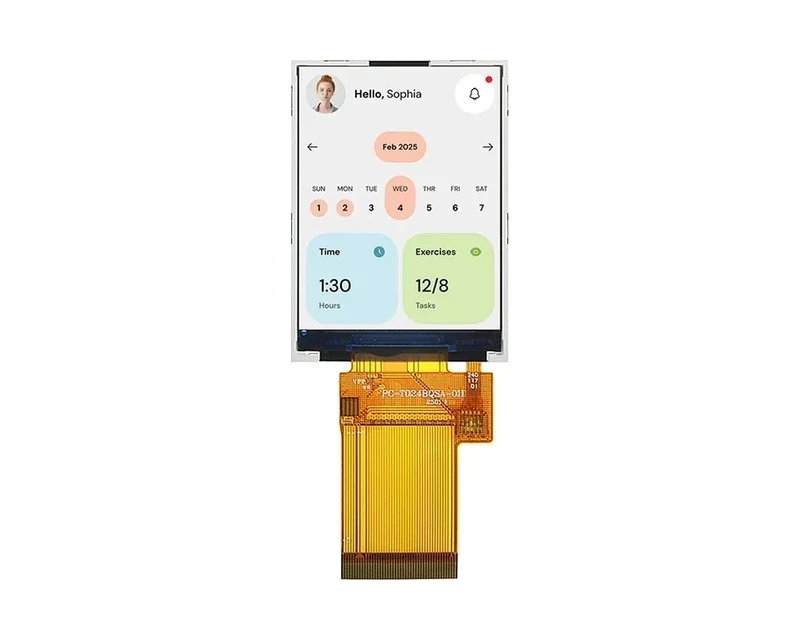
RG-T024BQSA-01
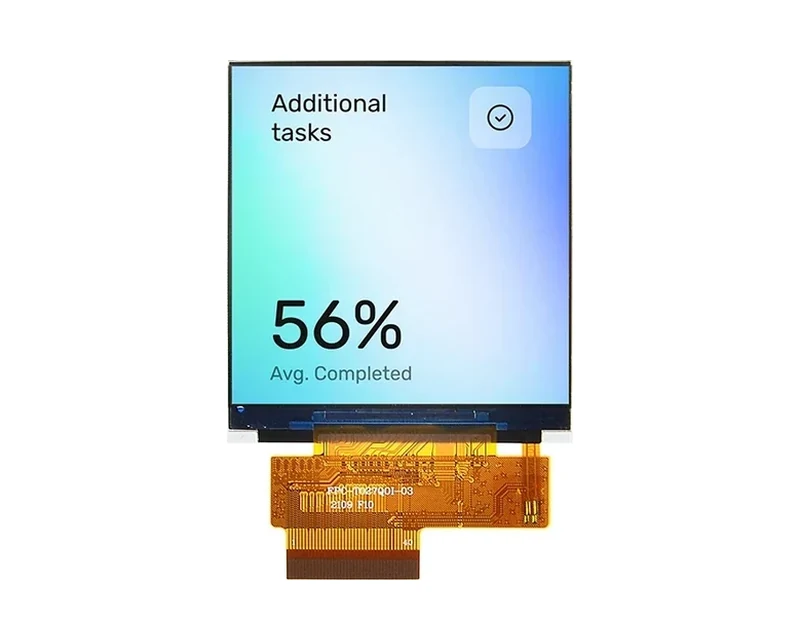
RG-T027BOIA-01
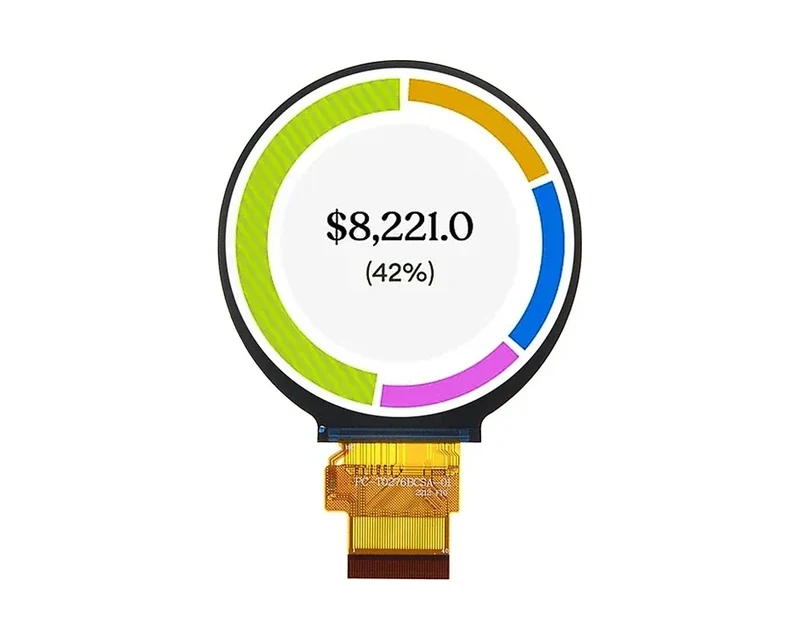
RG-T0276BCSA-01
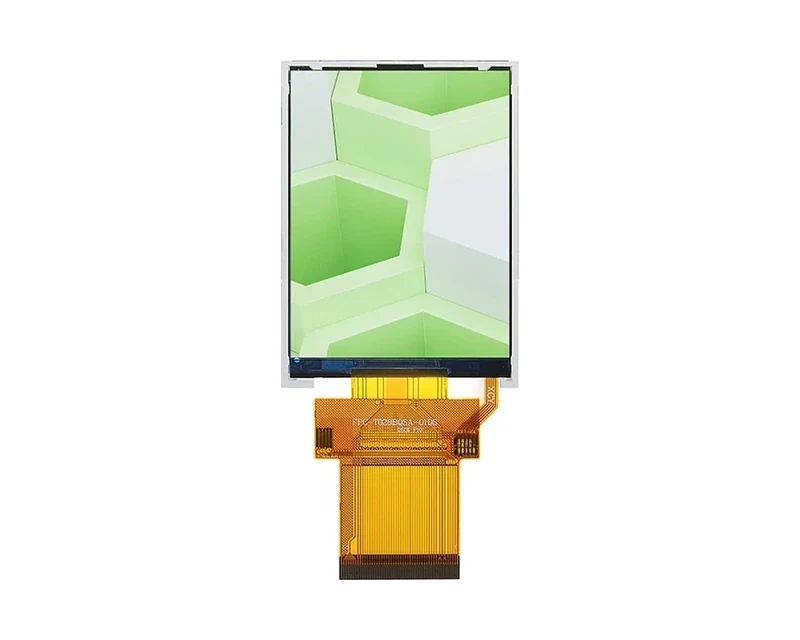
RG-T028BQSA-01
RG-T028BQSA-01P
RG-T028GQSW-01
RG-T028BQSWA-01
RG-T0295BVSA-01
RG-T0295BVSA-02
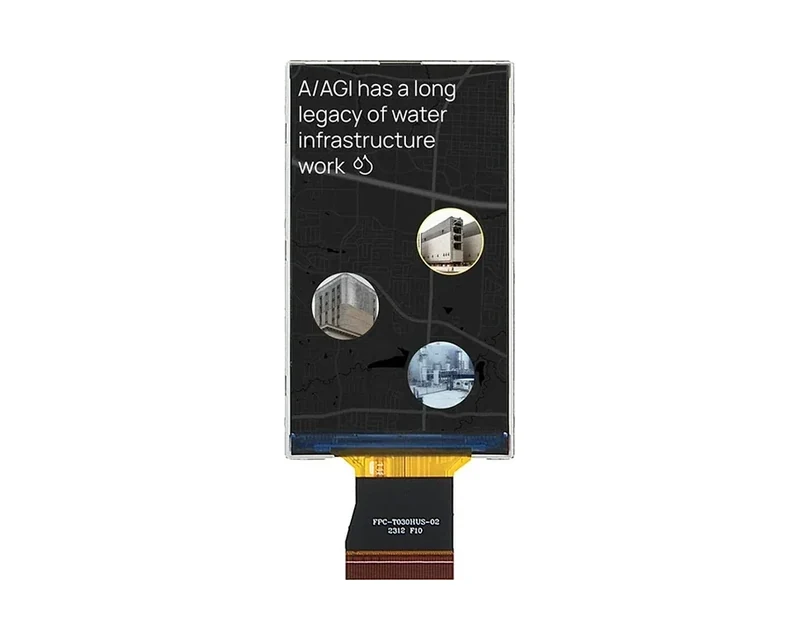
RG-T030HUSA-01
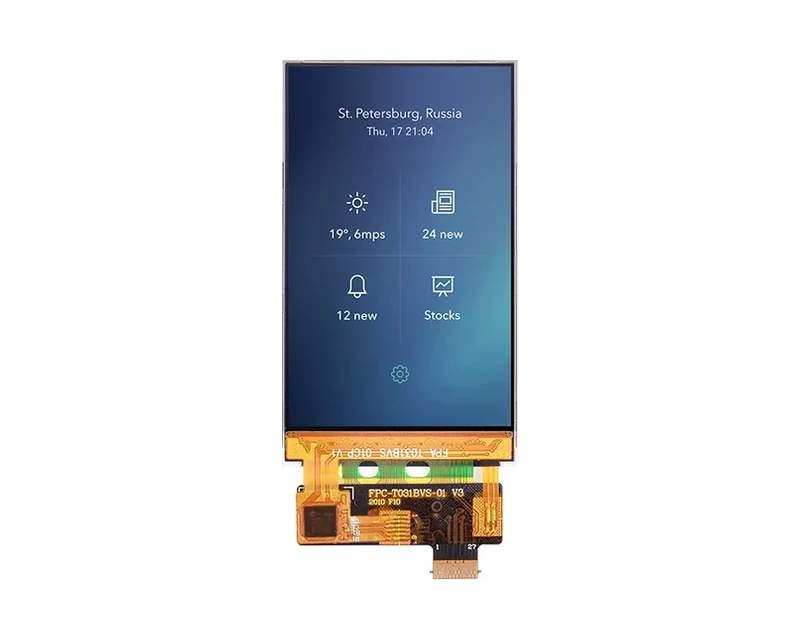
RG-T031BVSA-01
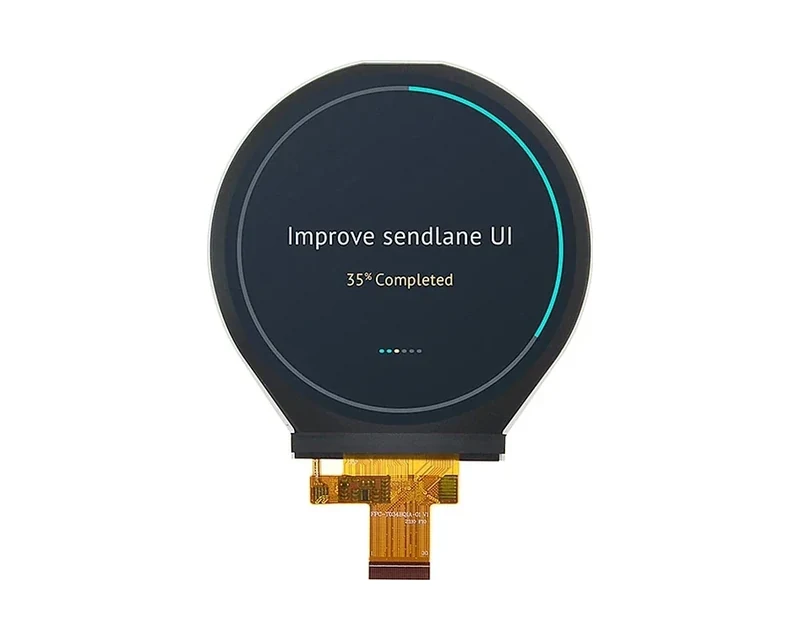
RG-T034BOIA-01
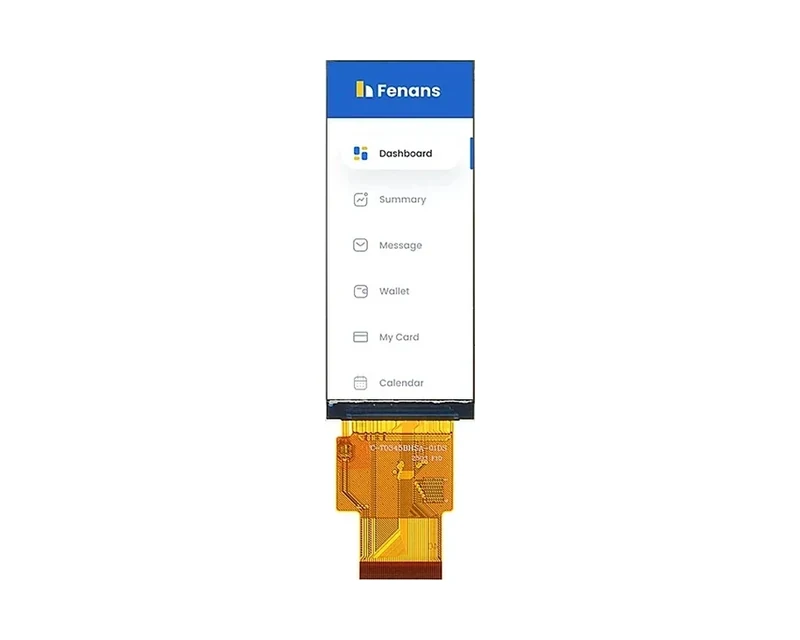
RG-T0345BHSA-01
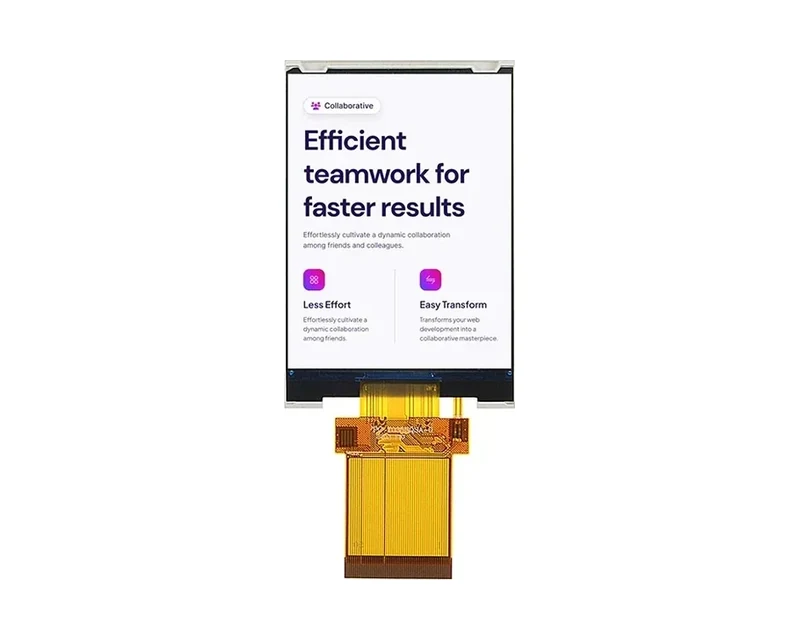
RG-T035BQSA-01
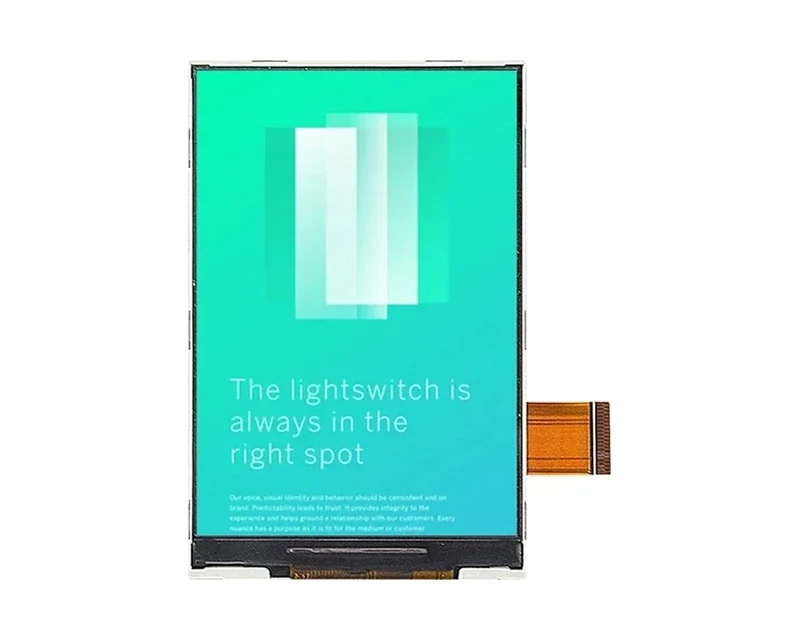
RG-T035SHI-01
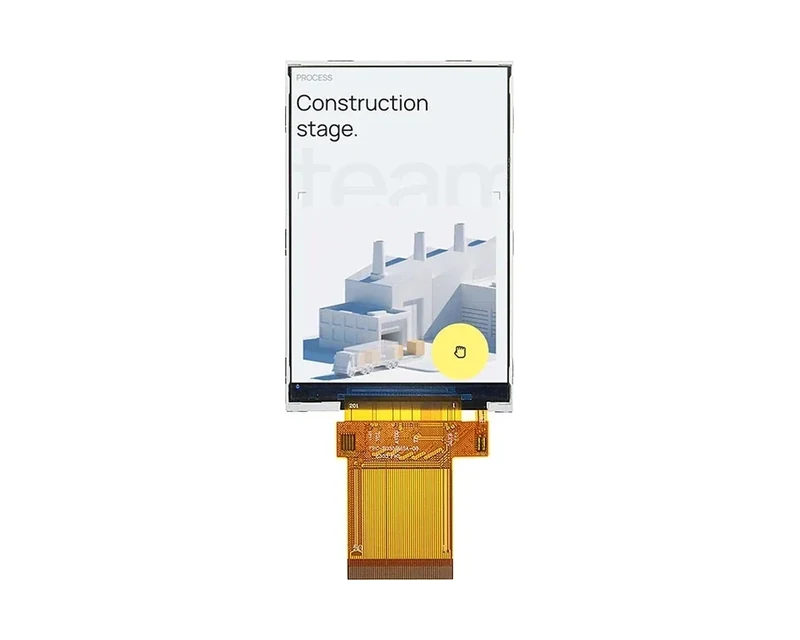
RG-T035BHSA-01
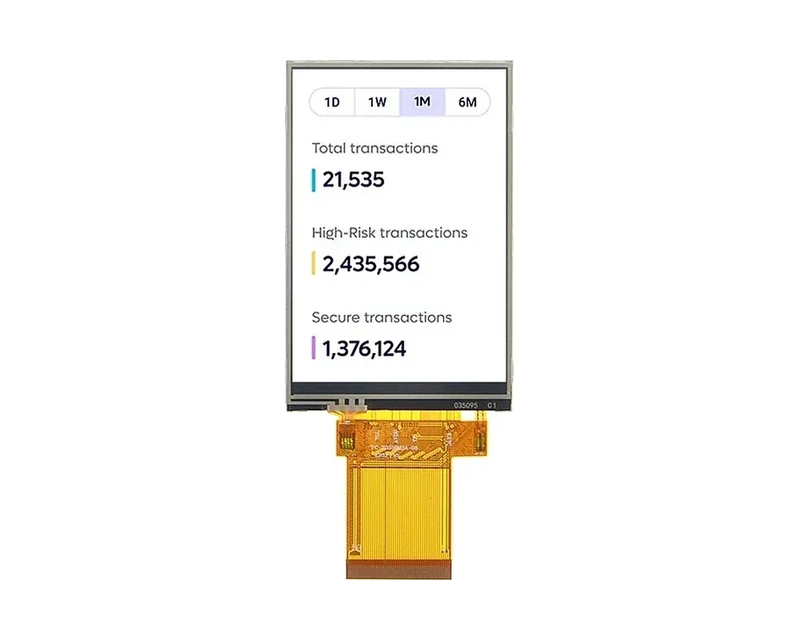
RG-T035BHSA-01P
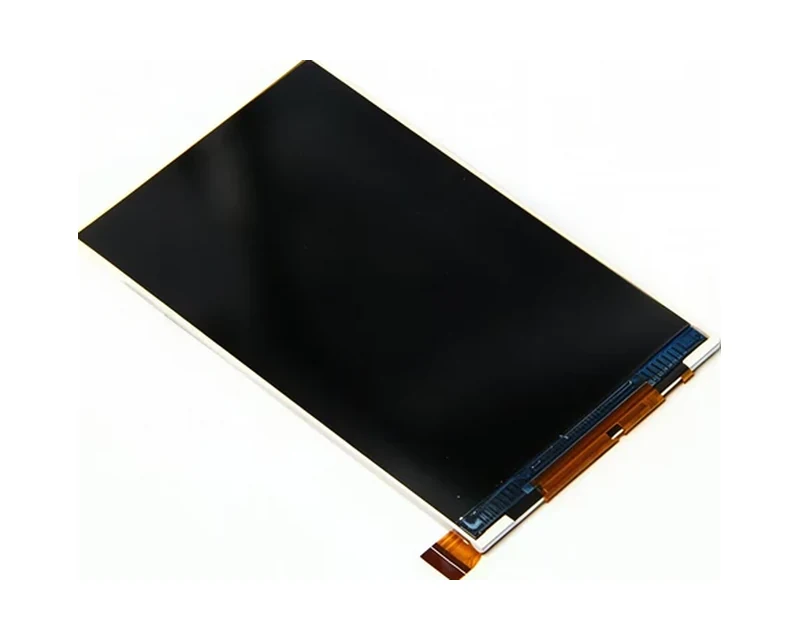
RG-T035QHI-28
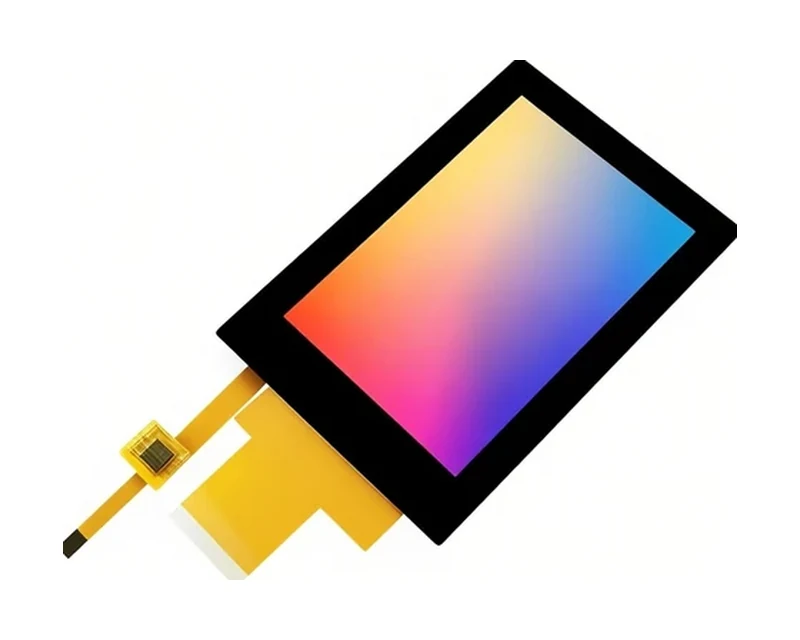
RG-T035QHI-03CP
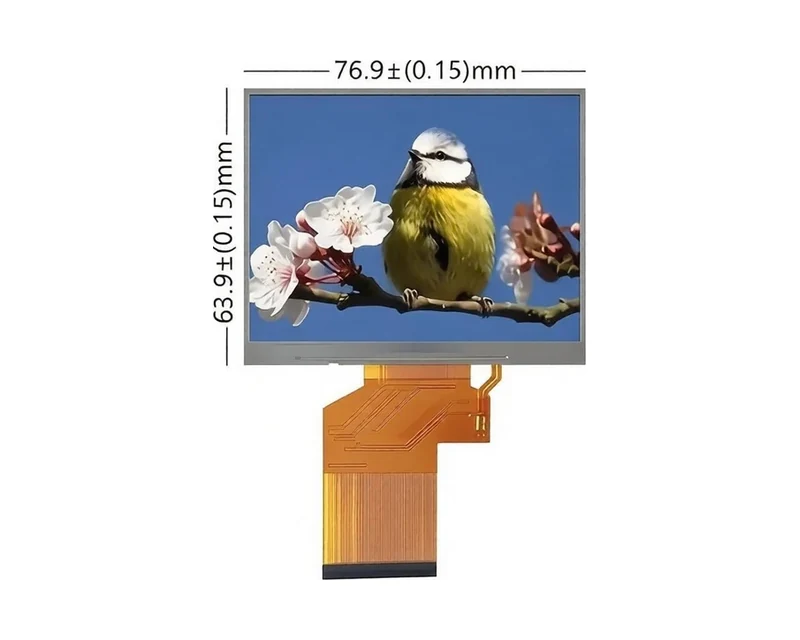
RG-T035SLH-01ND
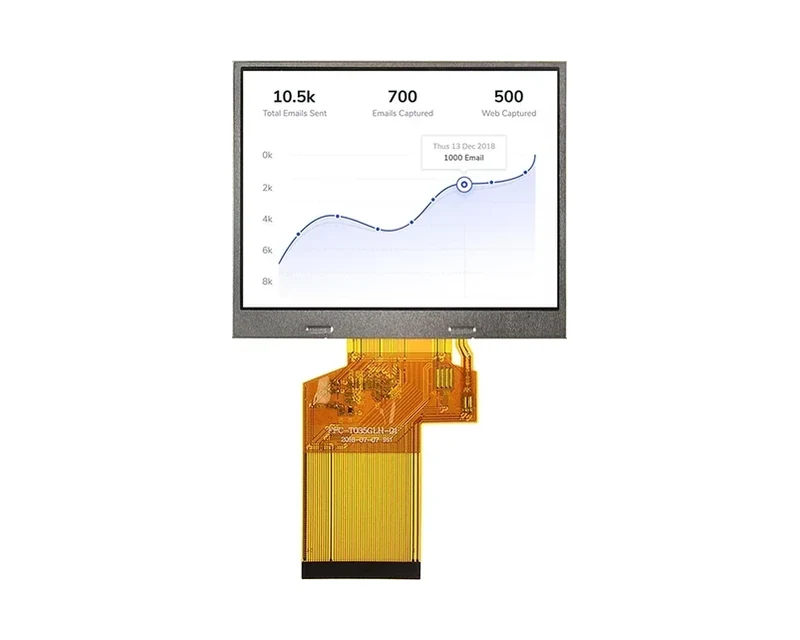
RG-T035GLH-01
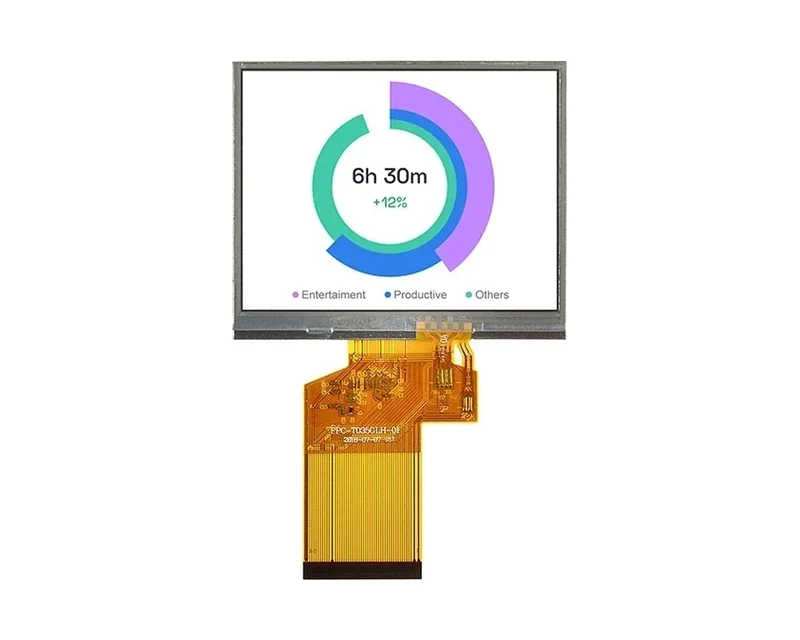
RG-T035GLH-01P
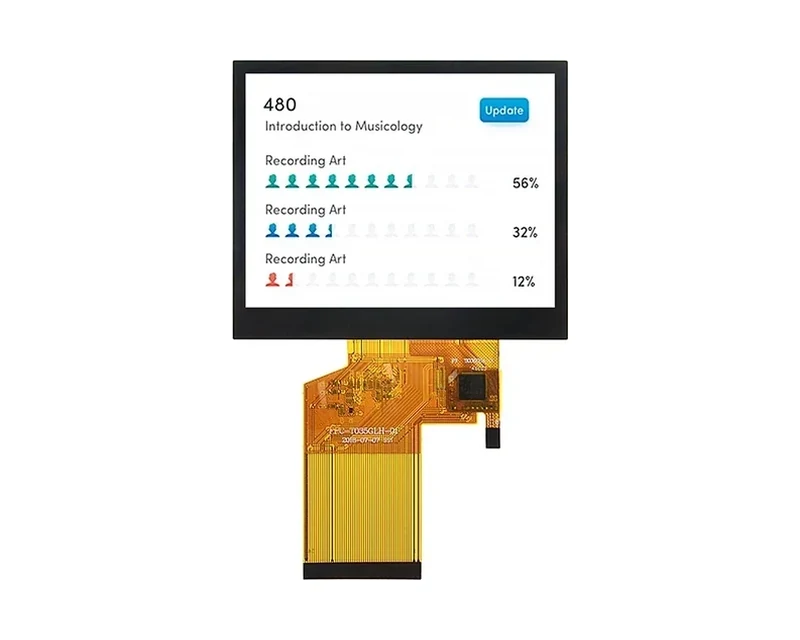
RG-T035GLH-01CA
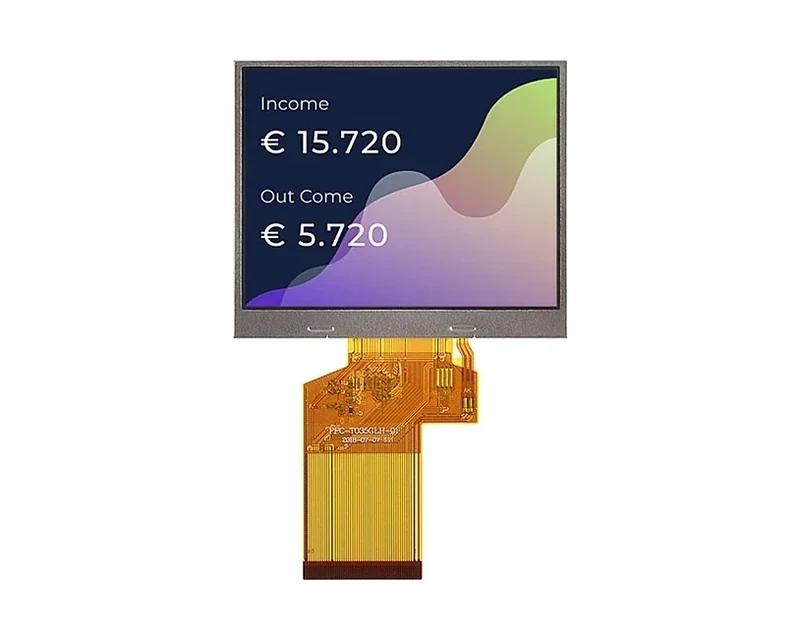
RG-T035GLH-02
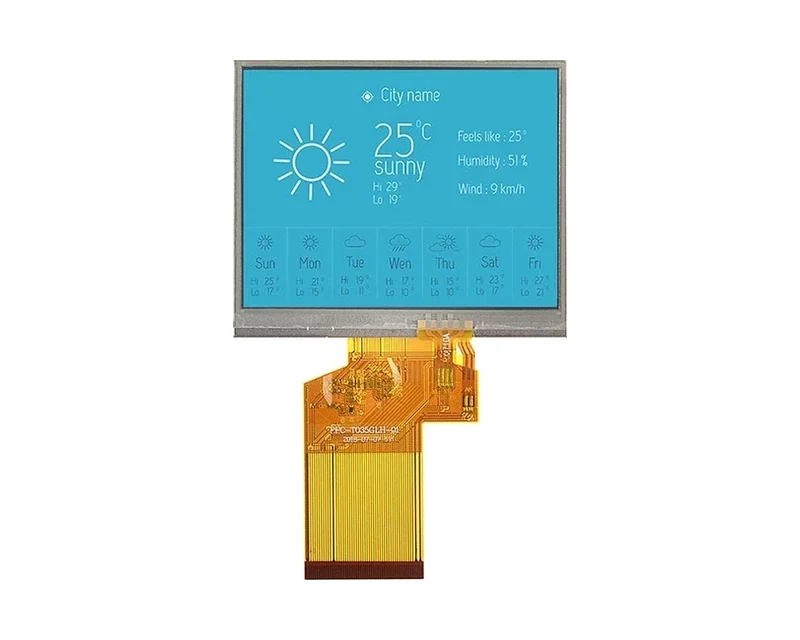
RG-T035GLH-02P
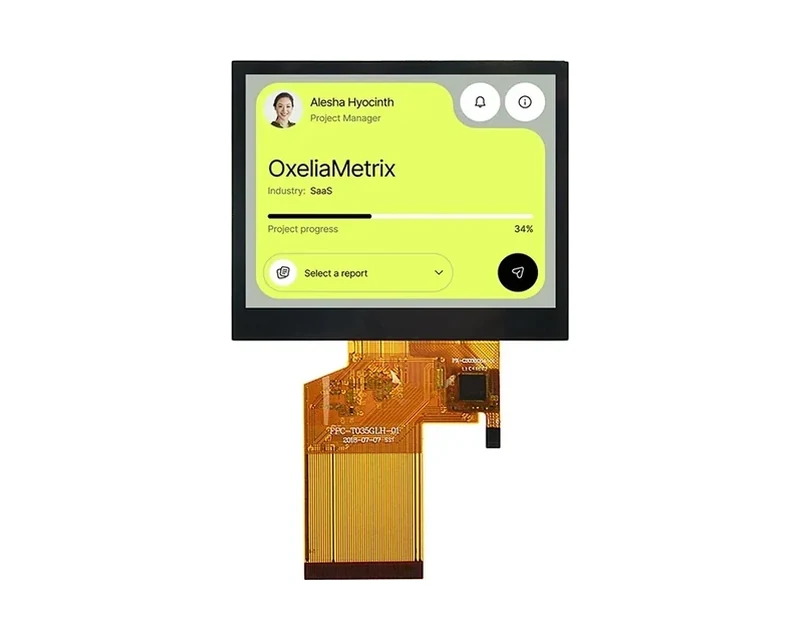
RG-T035GLH-02CA
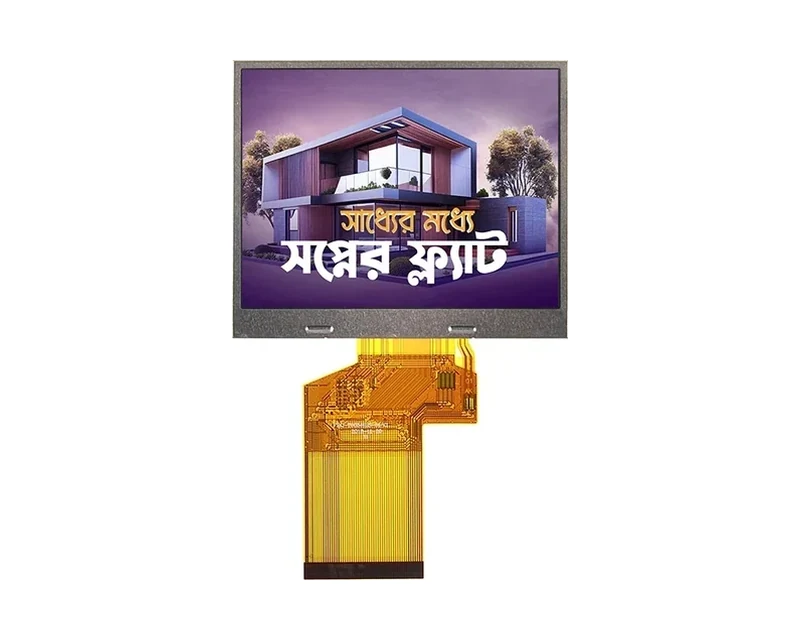
RG-T035HLS-01
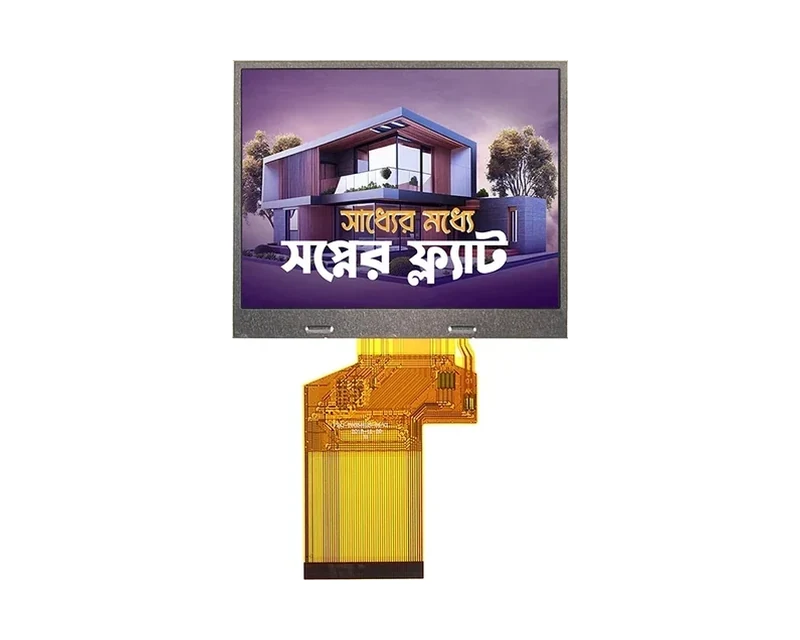
RG-T035HLS-01CP
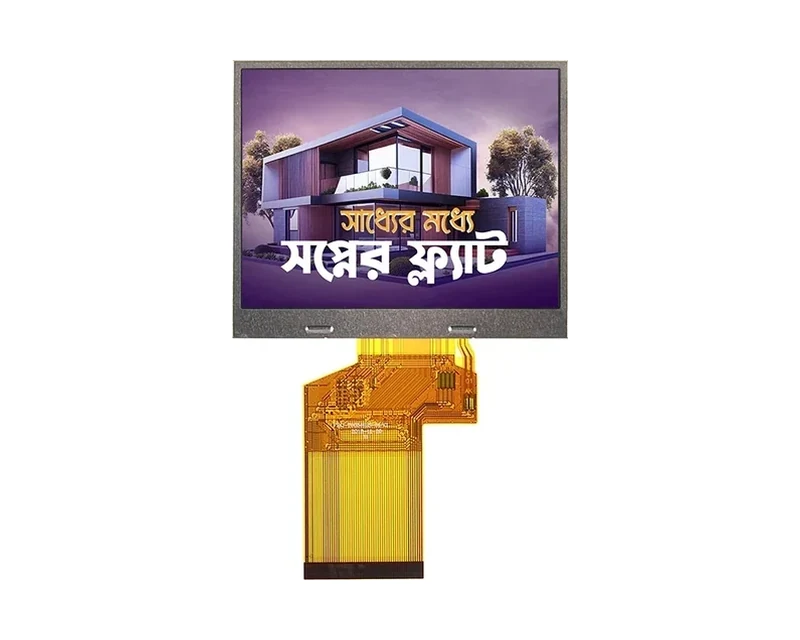
RG-T035HLS-02
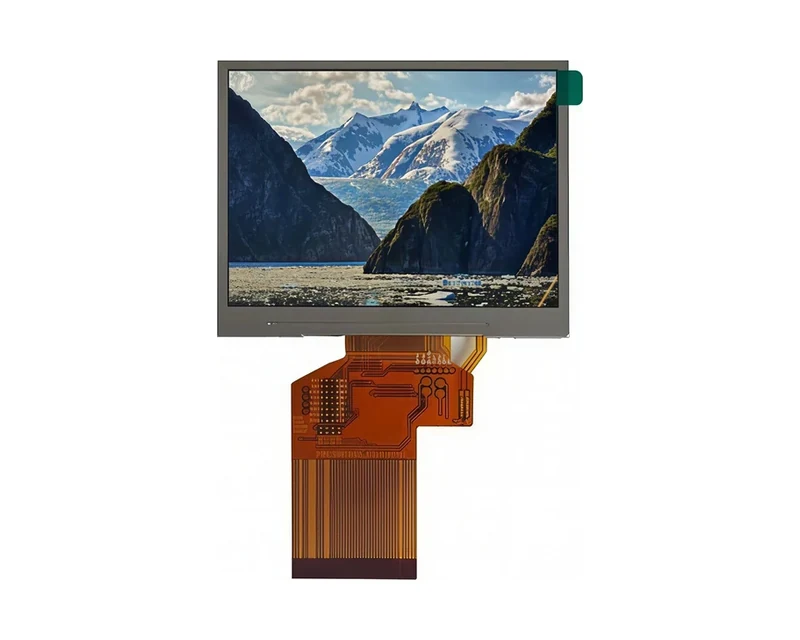
RG-T035HLWSA-01
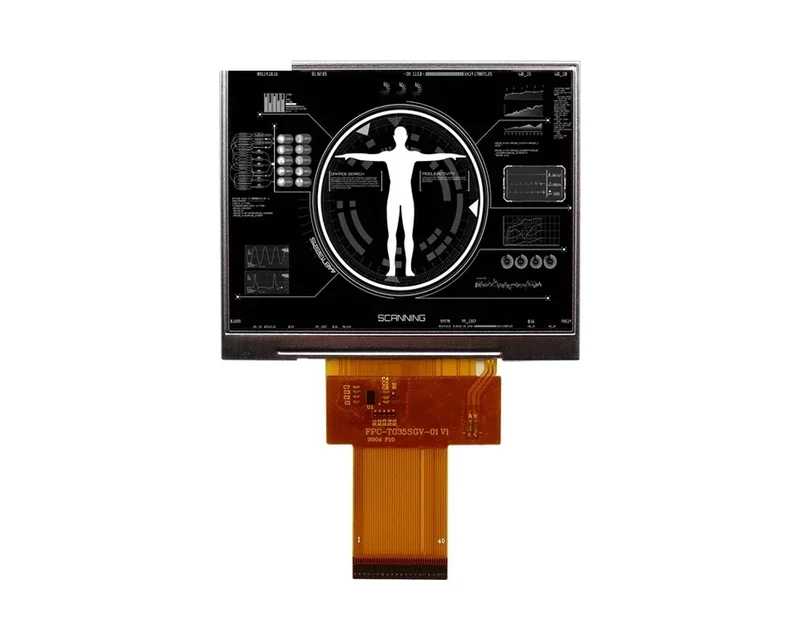
RG-T035SGV-01
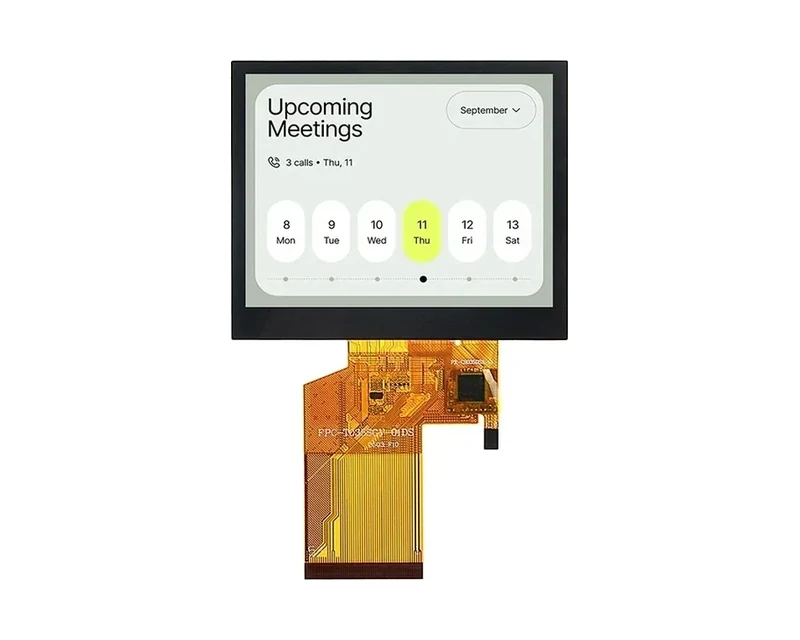
RG-T035SGV-01CP
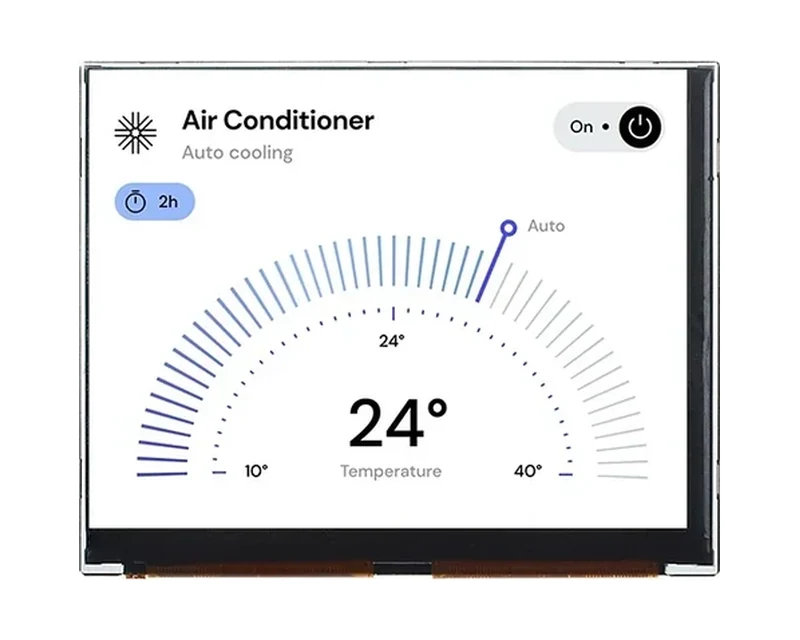
RG-T035TGH-01
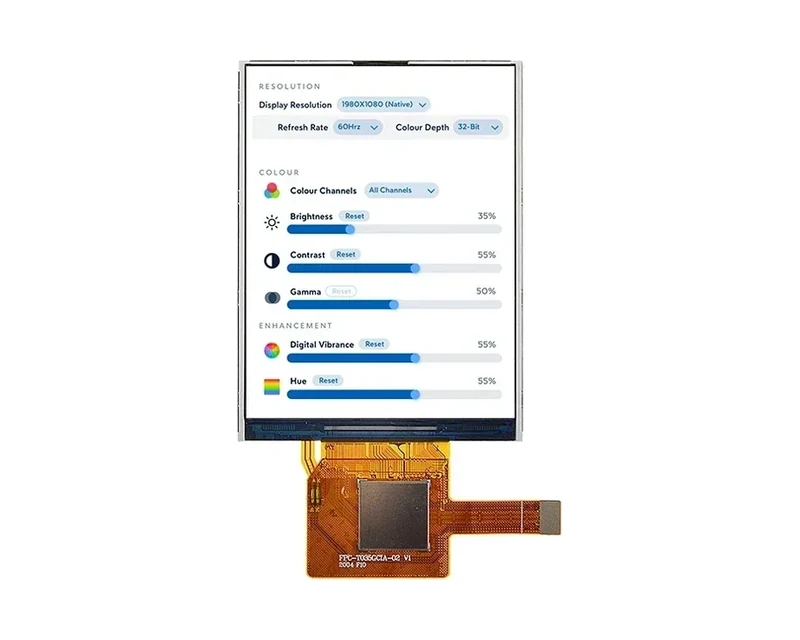
RG-T035GCIA-02
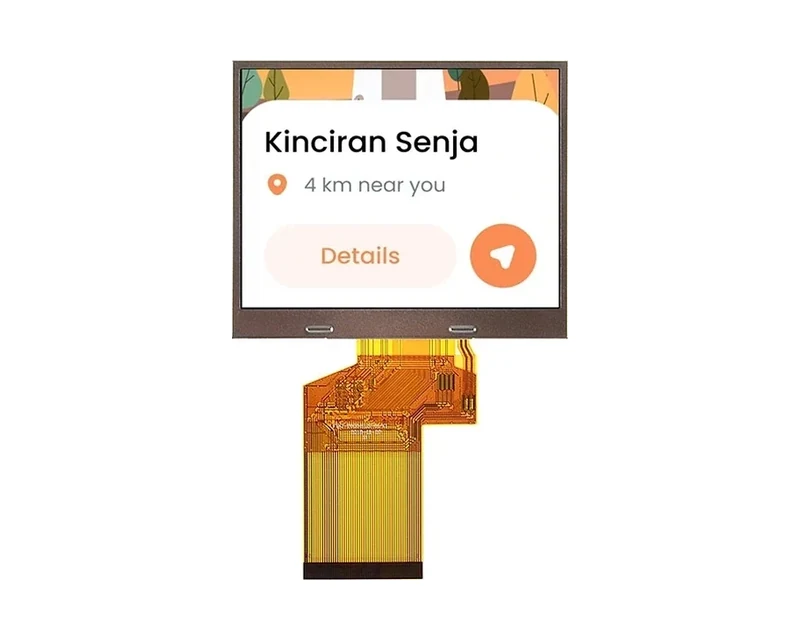
RG-T035HLSWA-01
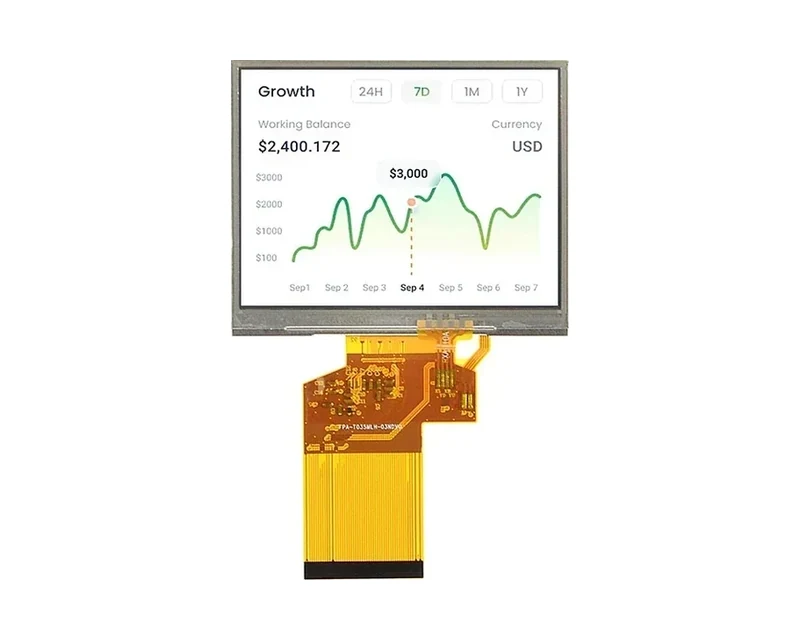
RG-T035SLH-01PD
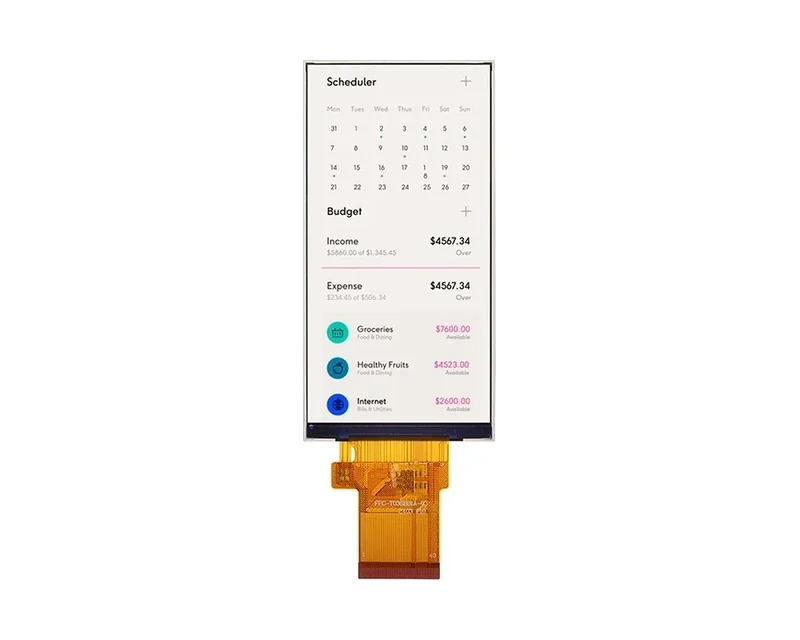
RG-T036BBIA-03
Can’t find the exact model you need?
This is a standard model, and our online catalog shows only part of what we build. We hold additional models not listed here, and we can adjust brightness, interface, touch or outline within an existing product family, or evaluate a fully custom solution. If this model does not fully match your requirements, please email your specifications to sales@odmlcd.com. We’ll help you identify the right part or assess a custom option.
ODM TFT LCD Modules for Industrial Control Equipment
Industrial control panels, HMI terminals and instrumentation rarely fit a catalog part exactly. As an industrial control TFT/LCD display ODM, RONEN adapts any standard module in this catalog to your program — driver-board and interface changes, MCU, LVDS or MIPI-DSI signal redesign, HDMI input options, cover lens, bonding and touch — engineered and built in our own factory in Zhaoqing, Guangdong, China.
- MCU-interface TFT LCD modules — 8080/6800 parallel-bus displays for PLC panels and metering front-ends
- LVDS TFT LCD modules — high-resolution panels for instrumentation and medical HMI
- MIPI-DSI TFT LCD modules — for embedded Linux/Android industrial controllers
- HDMI TFT LCD displays — for test benches and machine-vision workstations
See the full customization scope on the custom ODM LCD display solutions page.
FAQ
Do you reliably cover the full small-to-large TFT size range?
Yes. RONEN's standard catalog lists 190+ TFT LCD models from 0.96 to 21.5 inch, spanning IPS, TN, round, bar and square form factors. The range is produced continuously rather than project-by-project, so steady supply is the default, not the exception.
Total capacity: 35,308,420 pcs/year (LCD + CTP combined) (LCD + CTP combined) from our own line — enough headroom to hold both volume and lead-time commitments across the full size range.
See the full list on the products page, or jump to small TFT / industrial TFT.
Are they durable and high quality?
Cover-glass options reach 7H on the Mohs scale (≈9H by pencil-hardness test), and modules are built for industrial duty: 1.5 m drop test / IK08 impact rating on the covered versions. Every unit passes incoming and outgoing inspection against the spec sheet.
How fast can you deliver?
Typical prototype / sampling cycle is confirmed per project in writing and mass-production lead time is confirmed per project in writing, with an on-time delivery (OTD) rate of 96.5%. Expedited sampling is available for NPI programs.
What display interfaces do your TFT modules support?
RONEN's 190+ model catalog spans the common industrial interfaces: RGB, LVDS, MIPI-DSI, SPI and 8080/6800 MCU (parallel). The exact interface for each model is listed on its product page, so you can match it to your controller without guessing.
If your board needs a different signaling or an adapter, our ODM team can re-layout the FPC or supply a bridge board — see the standard catalog modules page.
Browse the full list on the products page.
How do you handle long-term supply and end-of-life (EOL)?
The 190+ standard models are produced continuously rather than project-by-project, backed by our own 35.3M+ pcs/year capacity, so steady multi-year supply is the default. For automotive and medical programs this is reinforced by IATF 16949 (incl. product design, Ch. 8.3) and ISO 13485 certifications.
We operate a PCN / EOL notification process and support last-time-buy planning. Request the formal obsolescence and long-term-supply policy for your program on the contact page.
How do I choose between a 24-bit RGB and an LVDS panel?
By cable length and pin budget, not by resolution. Under about 300 mm inside one enclosure, RGB is cheaper and every MPU with an LCD controller supports it, at the cost of 24–28 signals. Once the cable crosses a cabinet or exceeds roughly half a metre, LVDS pays for its serializer: four to eight differential pairs, better EMI behaviour and no skew tuning on 28 single-ended lines.
Does a wide-temperature panel also need a heater?
Not always, but the two solve different problems. The wide-temperature rating keeps the panel inside its operating window; a heater shortens the time to a legible image after a cold start, because LC response time rises steeply below about −10 °C. If the equipment must show a readable screen within seconds of power-up at −25 °C, specify the cold-start response and consider a heater film.
Can you supply the same panel with and without touch?
For most families, yes — the non-touch and CTP variants share the panel and differ in the bonded sensor and the outline thickness. RTP variants are usually separate part numbers because the resistive stack changes the mechanical drawing. Keeping the same panel across variants is what lets an equipment maker offer a gloved and a bare-hand model without two enclosure designs.
Is 250 cd/m² enough for a factory floor?
For a machine-mounted panel under task lighting, usually yes. Under a skylight or next to a window, no: reflected daylight adds to the black level and the image looks washed out regardless of the panel. The practical threshold is whether direct daylight can reach the glass; if it can, start at 700 cd/m² and treat an anti-glare front surface as part of the specification.
What is the realistic delivery route for a first prototype?
Pick two or three standard catalog parts that bracket the requirement, request samples of those rather than a custom build, and evaluate them in the actual enclosure with the actual interface cable. Custom FPC, brightness or cover-lens changes are worth starting only after the standard part has been ruled out on a measured basis — that sequence usually removes one full design iteration.