
Medical Device Display Modules — Patient Monitors & Diagnostics | RONEN
Patient monitors, infusion pumps, ultrasound consoles and lab analyzers all need stable, low-noise panels that stay readable from a nurse station. RONEN supplies 82 TFT modules from 4.3″ to 15.6″ suited to medical housings — 400x1280–1920x1200 resolution, 250–1200 cd/m² brightness, resistive (RTP), capacitive (CTP). We support documentation for design verification and keep supply continuous for the life of your device.
- 82 modules 4.3″–15.6″ with IPS viewing angles for vitals layouts
- CTP options with glove and stylus-friendly tuning via ODM
- ISO 9001:2015 factory, 5+ year supply for medical programs
Three Medical Jobs, Three Specifications
“Medical display” is a procurement category, not an engineering one. The 82 modules in this range serve three different jobs whose requirements barely overlap:
| Job | Typical size | What dominates the spec | What is often over-specified |
|---|---|---|---|
| Patient monitor / bedside | 7.0″–12.1″ | Waveform legibility at 2–4 m, viewing angle, alarm colour consistency | Resolution: 1024×600 carries four waveforms comfortably |
| Infusion pump, ventilator, analyser front panel | 4.3″–7.0″ | Touch with gloves, cleaning resistance, wide dimming for night wards | Brightness: 250–400 cd/m² is right for a bedside device |
| Imaging console (ultrasound, CT operator) | 12.1″–15.6″ | Greyscale consistency, uniform backlight, low reflectance in a darkened room | Touch: usually a mouse and keyboard, not a touchscreen |
Writing the requirement per job avoids two common outcomes: a bedside monitor specified to imaging-console greyscale standards at three times the cost, and an analyser front panel specified like a consumer tablet that then fails its cleaning validation.
Greyscale, Bit Depth and the Waveform
Clinical images are judged on smooth gradients; waveforms are judged on line crispness. Those pull in different directions. A 6-bit panel with frame-rate control (FRC) simulates 8-bit grey by temporal dithering, which is invisible on a photo but can show as a faint crawl on a slow-moving ECG trace. An 8-bit panel drives 256 levels directly; on a dark-room imaging console that is the difference between a smooth gradient and visible banding in soft tissue.
A necessary clarification: the panels here are display components, not diagnostic-grade medical displays. DICOM Part 14 calibration, luminance uniformity across the whole screen and a calibrated greyscale standard display function are properties of the finished device, verified by the device maker. What the component contributes is a stable backlight, a known bit depth and a consistent gamma — the raw material for that calibration, not the calibration itself.
Cleaning Agents and the Front Surface
A hospital device is wiped several times a shift, and the surface is the part that ages. Commonly used agents — 70% isopropyl alcohol, quaternary ammonium wipes, accelerated hydrogen peroxide — are generally compatible with hard-coated films and glass, but they attack different materials in different ways: alcohol clouds some anti-glare coatings, quaternary ammonium leaves a film that shows as haze under ward lighting, and repeated peroxide exposure dulls printed graphics.
What to send with an enquiry: the actual agents and wipe type, the number of wipes per shift, and whether the front will be glass or film. A glass front with an anti-glare etch survives most regimens; a film front is cheaper and lighter but has a finite chemical life. Solvents such as acetone or ammonia-based glass cleaners should be excluded explicitly in the device’s cleaning instructions, because someone will try them.
Viewing Angle and the Alarm You Cannot Miss
Alarm colours are specified by the device standard and implemented in firmware, but whether they are distinguishable depends on the panel. A TN panel shifted 30° off-axis desaturates red and shifts blue toward cyan — and a nurse walking past a monitor sees it at exactly that angle. IPS holds colour across roughly 80° in each direction, which is why the majority of modules in this range are IPS: 51 of the 82.
The second viewing issue is brightness at night. A monitor at full brightness in a dark ICU is unpleasant and defeats the purpose of a dimmed ward; the panel needs to dim to single-digit cd/m² without colour shift, which is a property of the backlight driver and the panel’s low-luminance behaviour, not of the UI. Ask for the dimming range, not just the maximum.
Change Control Over a Seven-Year Device Life
Medical devices stay in production far longer than the panels inside them. The practical question is not whether the panel will be available for seven years, but what happens when it is not: is there a pin- and outline-compatible successor, and how much notice precedes the last order?
Three things make that manageable. Keep the panel part number and revision in the device technical file so a change is visible against a baseline. Ask for a written end-of-life notice period, and plan a last-time buy against forecast service demand rather than production volume. And qualify the successor on form, fit and function — a new glass with the same outline still needs a display-performance check, because that is what the device’s verification plan actually requires.
The Range at a Glance
Eighty-two modules across fourteen diagonals. The 800×480 group is the volume workhorse for monitors and pump panels; 1280×800 and above belong to imaging consoles and multi-parameter displays where a waveform and a parameter table share the screen.
| Size | Models | Resolutions in this range | Panel / touch variants | Where it usually goes |
|---|---|---|---|---|
| 4.3″ | 17 | 480×272, 800×480 | IPS 11 / TN 6 | Pump, analyser panel |
| 4.6″ | 1 | 800×320 | TN 1 | Handheld diagnostic |
| 5.0″ | 13 | 800×480, 720×1280, 640×480 | IPS 9 / TN 4 | Bedside device |
| 5.65″ | 2 | 640×480 | IPS 2 | Handheld diagnostic |
| 5.7″ | 1 | 640×480 | IPS 1 | Compact monitor |
| 7.0″ | 24 | 800×480, 1024×600 | TN 16 / IPS 8 | Patient monitor, ventilator |
| 7.8″ | 1 | 400×1280 | IPS 1 | Compact monitor |
| 8.0″ | 3 | 800×600, 1024×768 | TN 2 / IPS 1 | Monitor |
| 8.4″ | 1 | 1024×768 | TN 1 | Monitor, 4:3 |
| 10.1″ | 10 | 1024×600, 1280×800, 1920×1200 | IPS 9 / TN 1 | Bedside monitor |
| 10.4″ | 1 | 1024×768 | IPS 1 | Legacy 4:3 monitor |
| 11.6″ | 1 | 1920×1080 | IPS 1 | Monitor |
| 12.1″ | 4 | 1024×768, 1280×800 | IPS 4 | Monitor, imaging console |
| 15.6″ | 3 | 1920×1080 | IPS 3 | Imaging console |
Standard Modules in This Range
82 standard models in this family
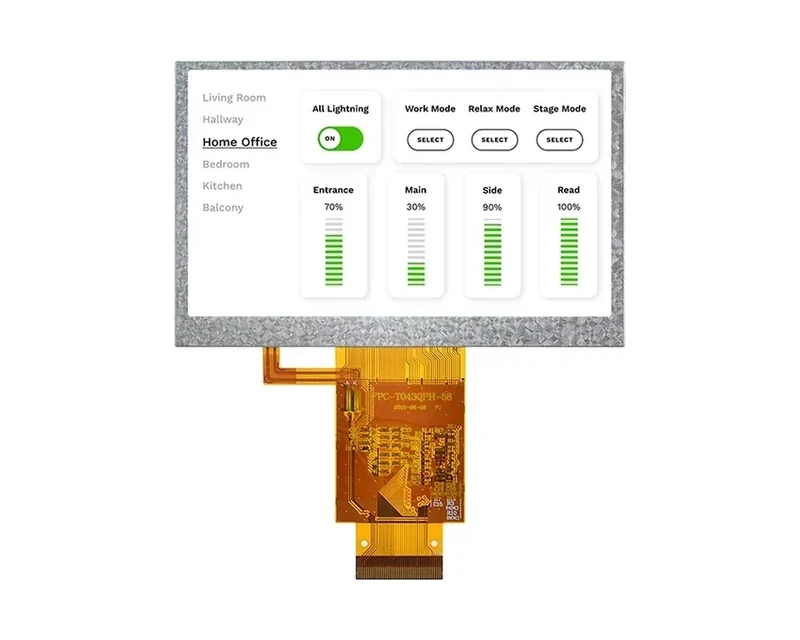
RG-T043QPH-58
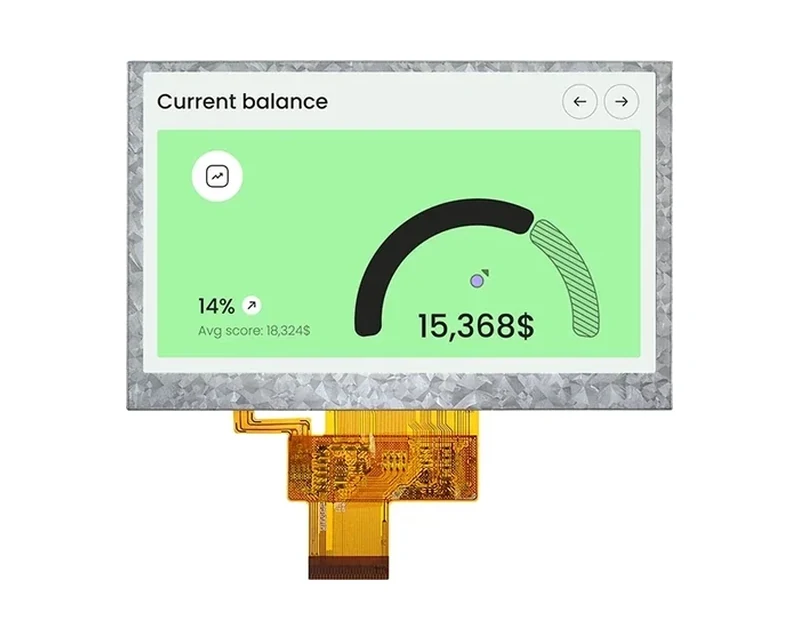
RG-T043QPH-62
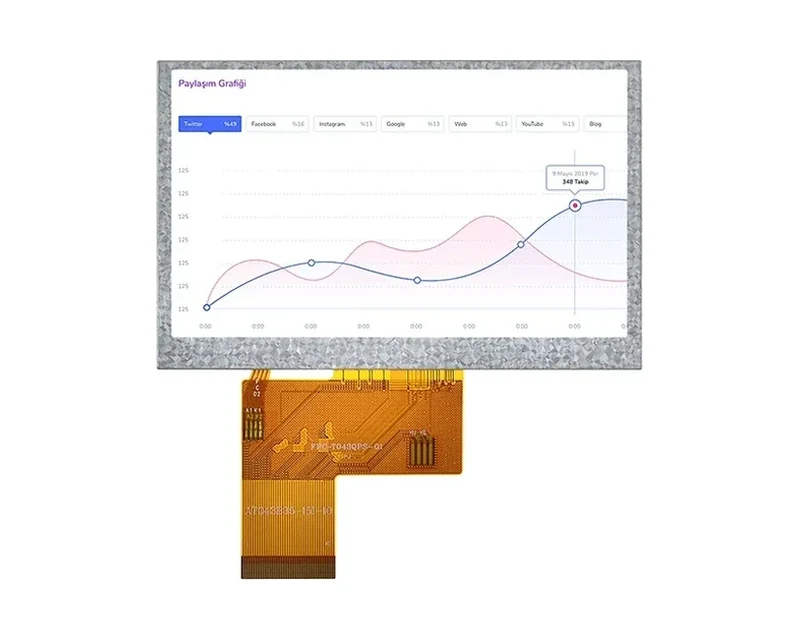
RG-T043QPS-01
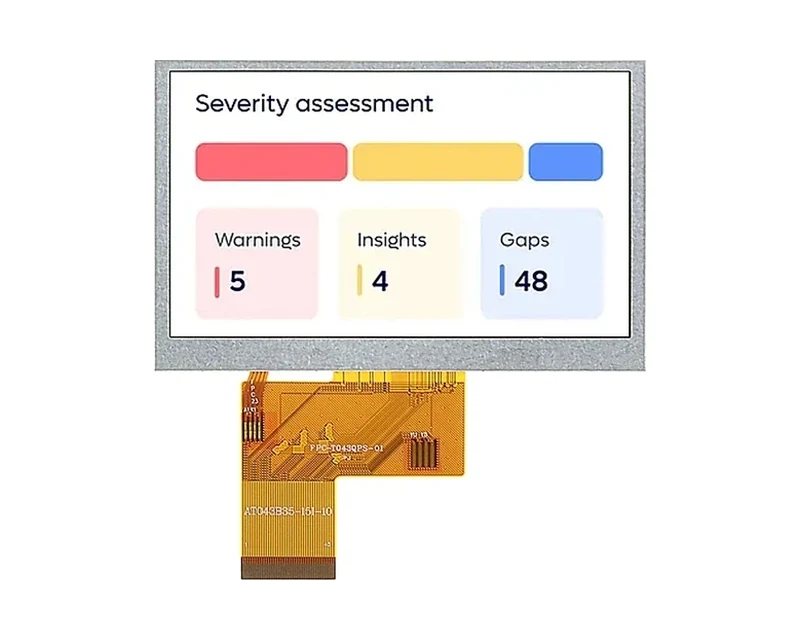
RG-T043QPS-02
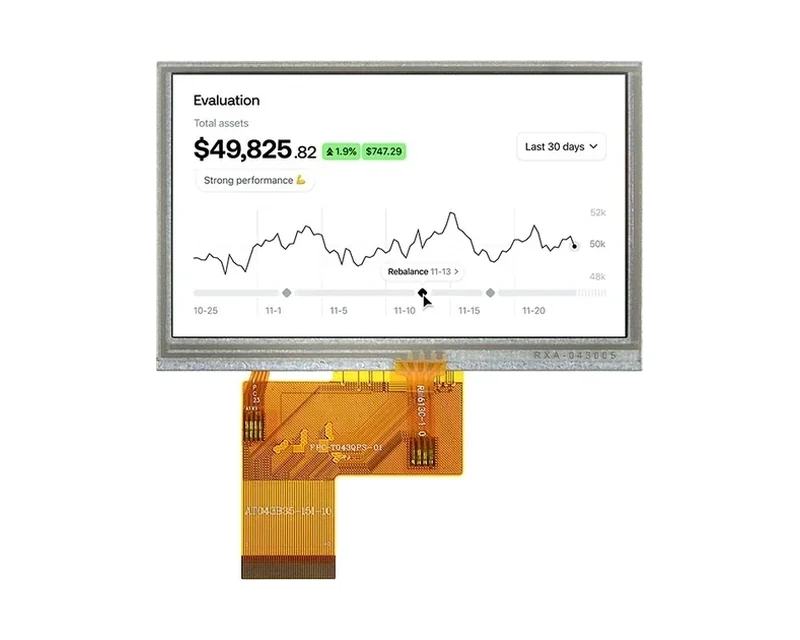
RG-T043QPS-02P
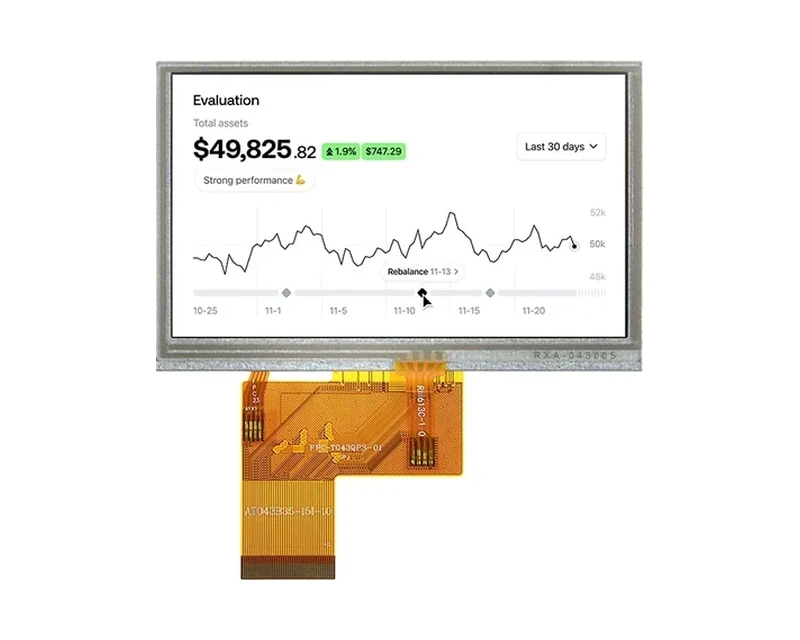
RG-T043QPS-02CA
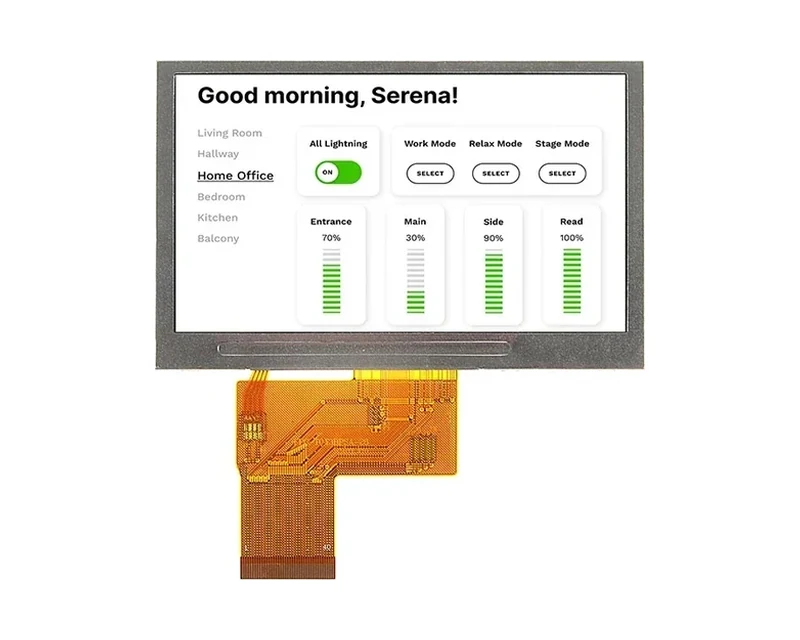
RG-T043BPSA-01
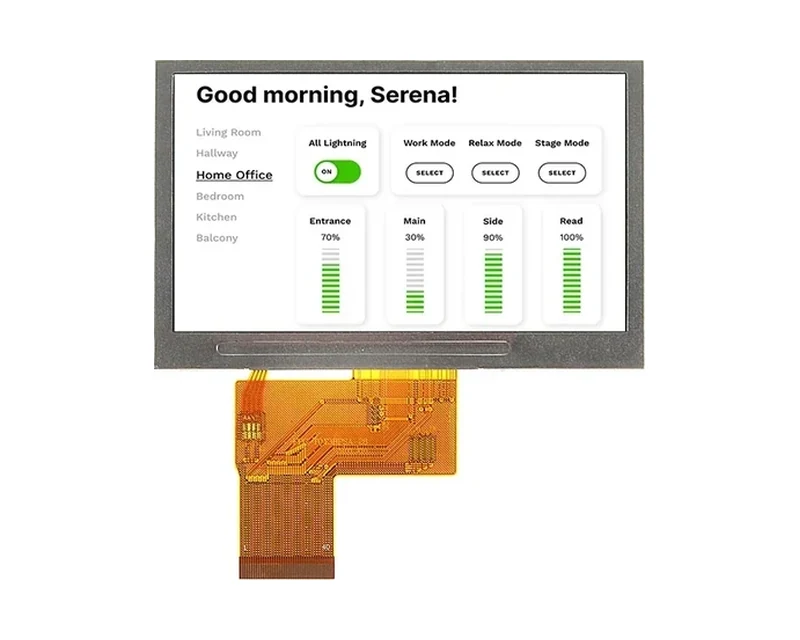
RG-T043BPSA-01CA
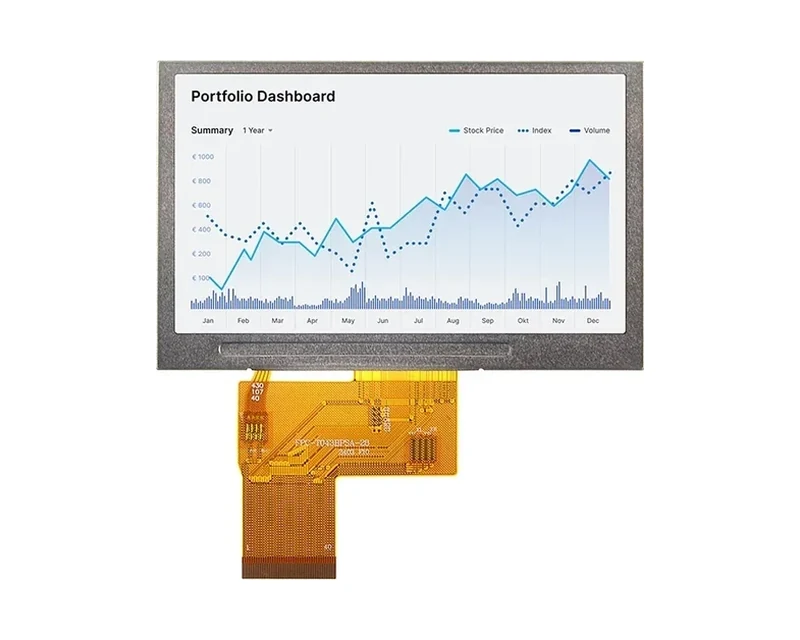
RG-T043BPSA-02
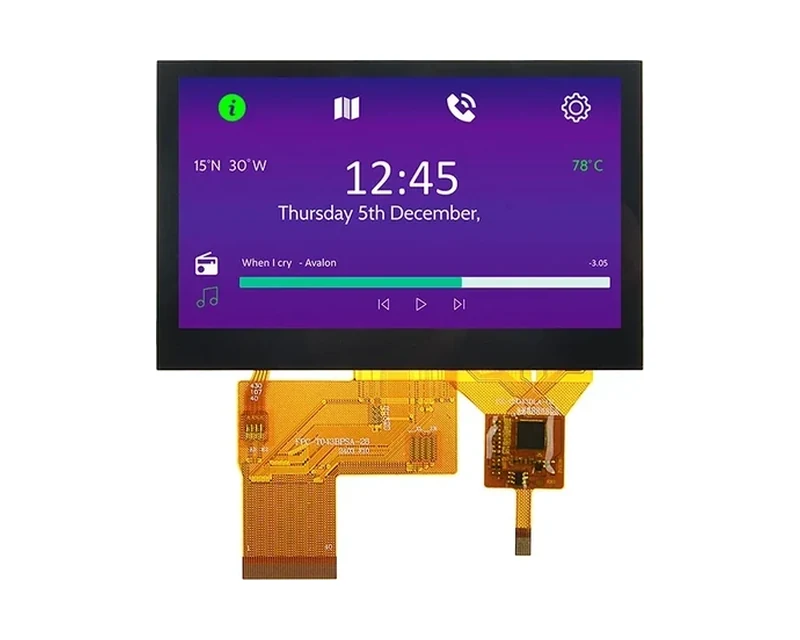
RG-T043BPSA-02CP
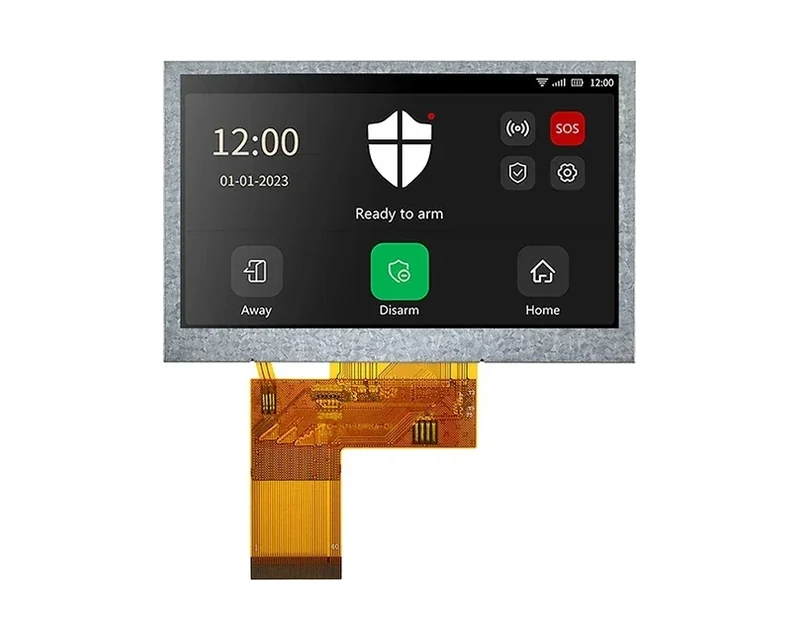
RG-T043BWSA-02
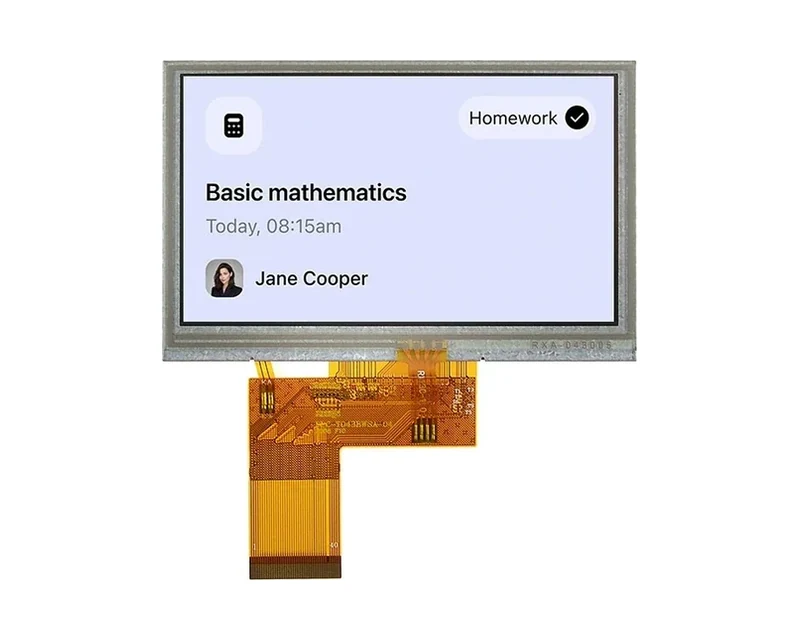
RG-T043BWSA-02P
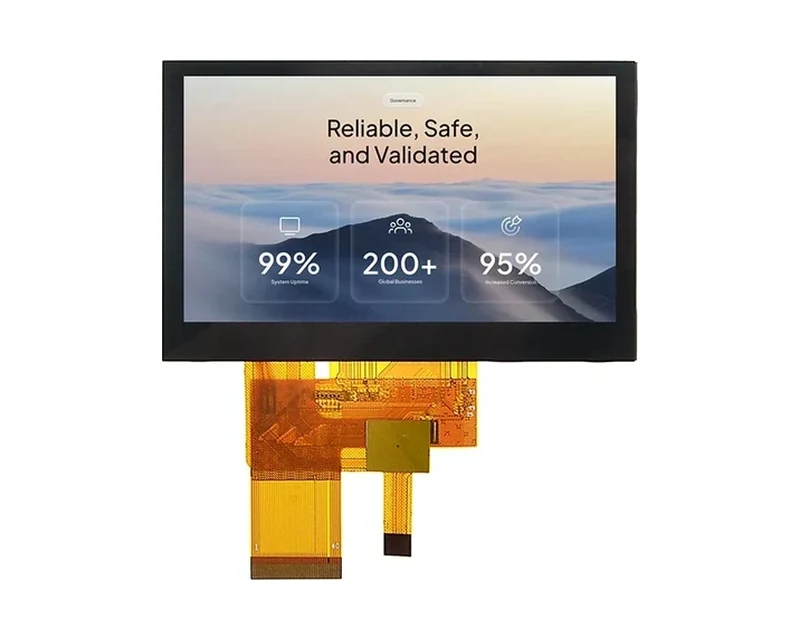
RG-T043BWSA-02CP
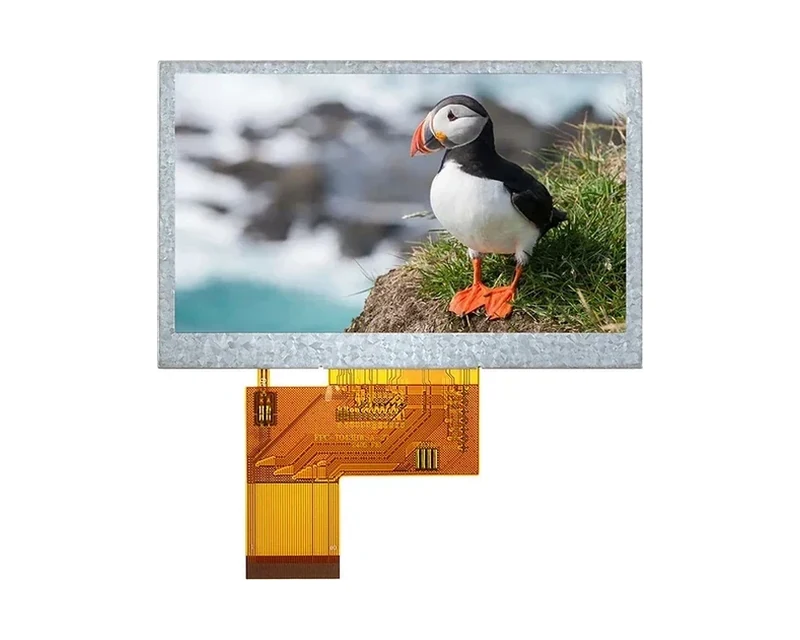
RG-T043BWSA-27
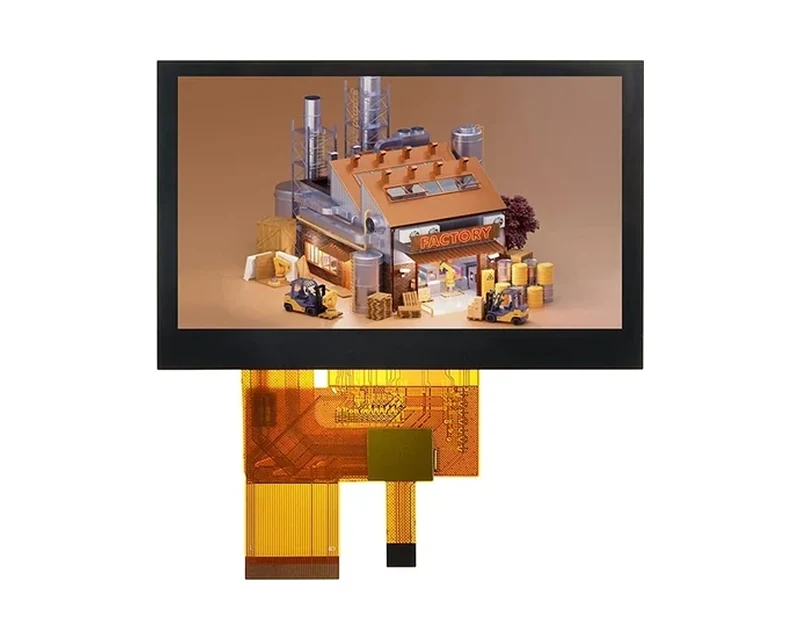
RG-T043BWSA-28CP
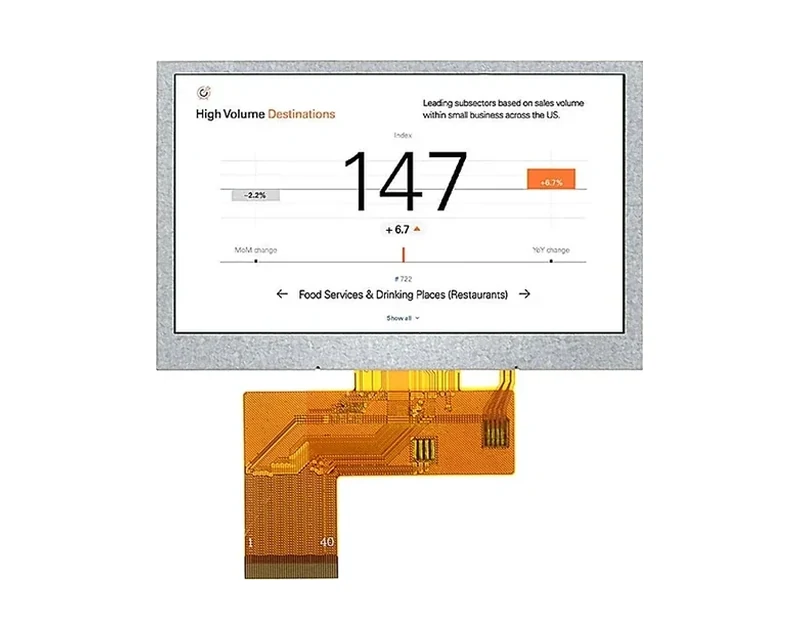
RG-T043BPSWA-02
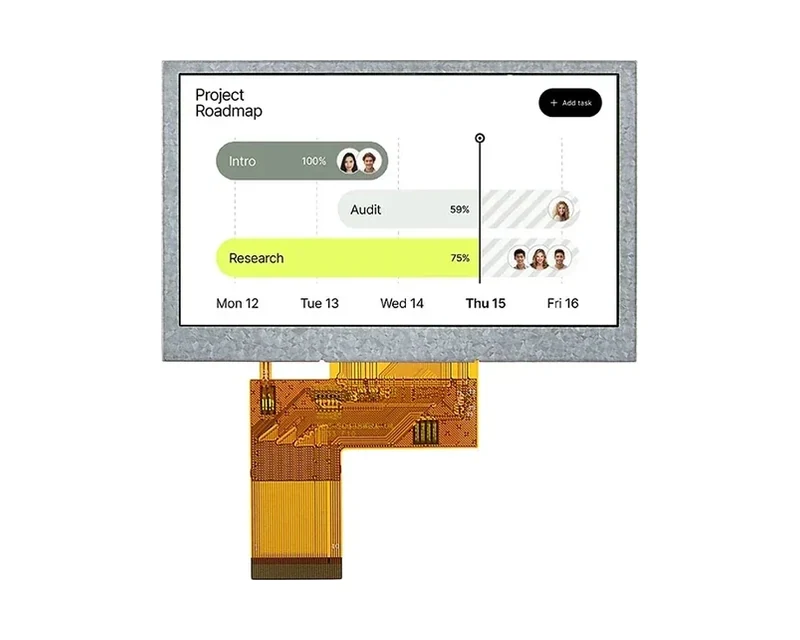
RG-T043BWSWA-02
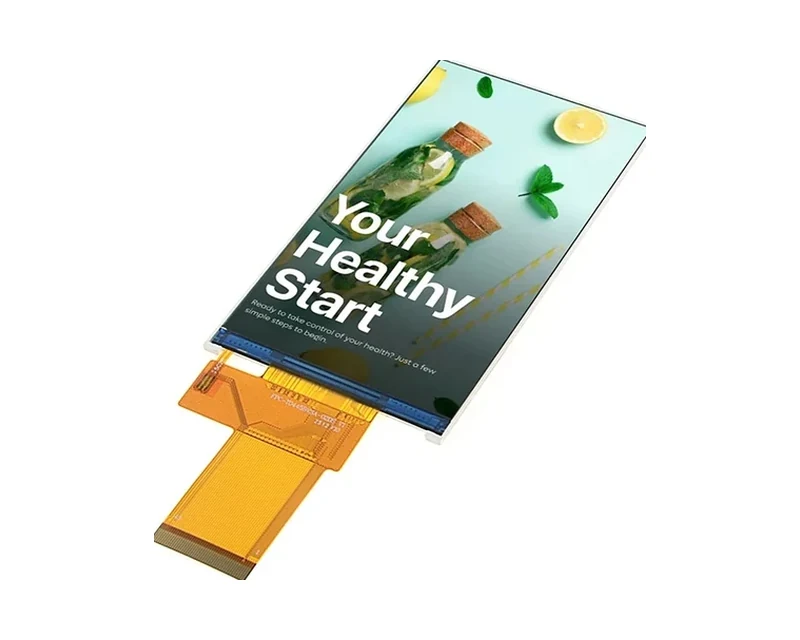
RG-T046QWI-01
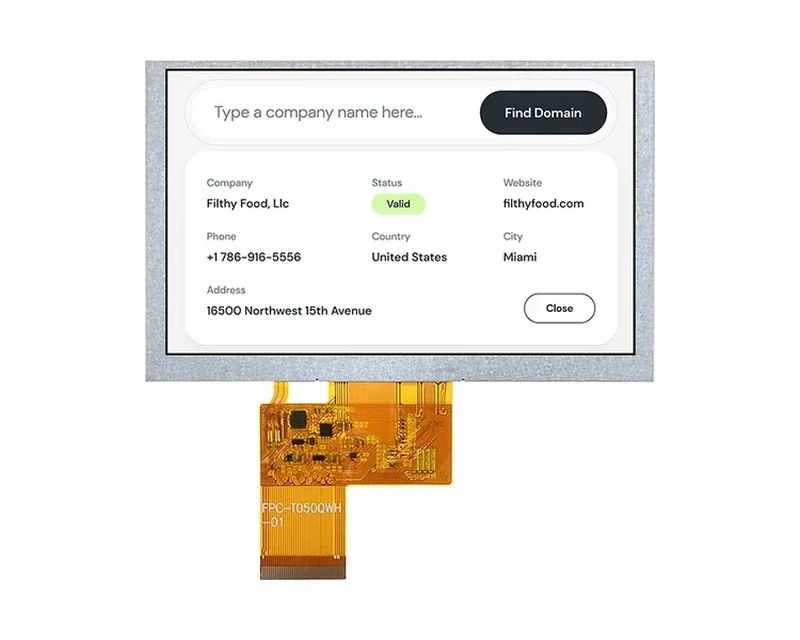
RG-T050QWH-01
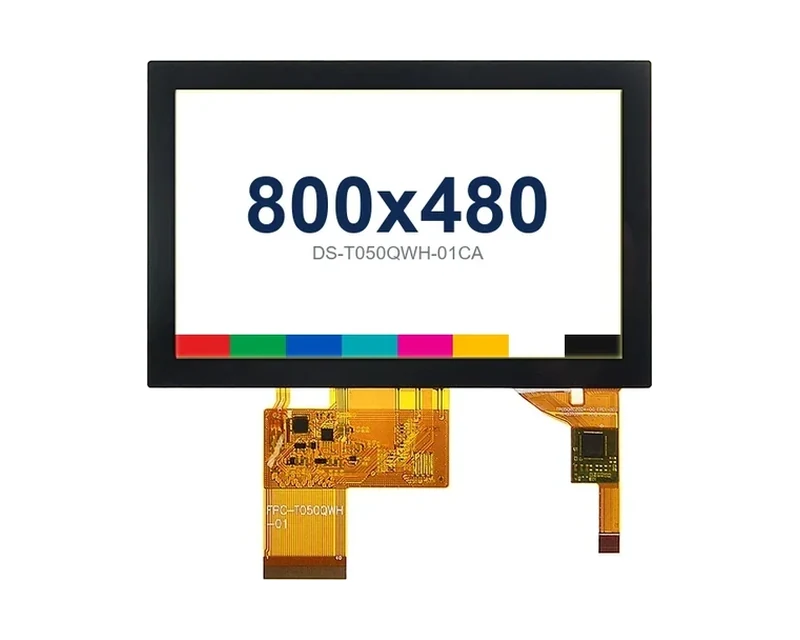
RG-T050QWH-01CA
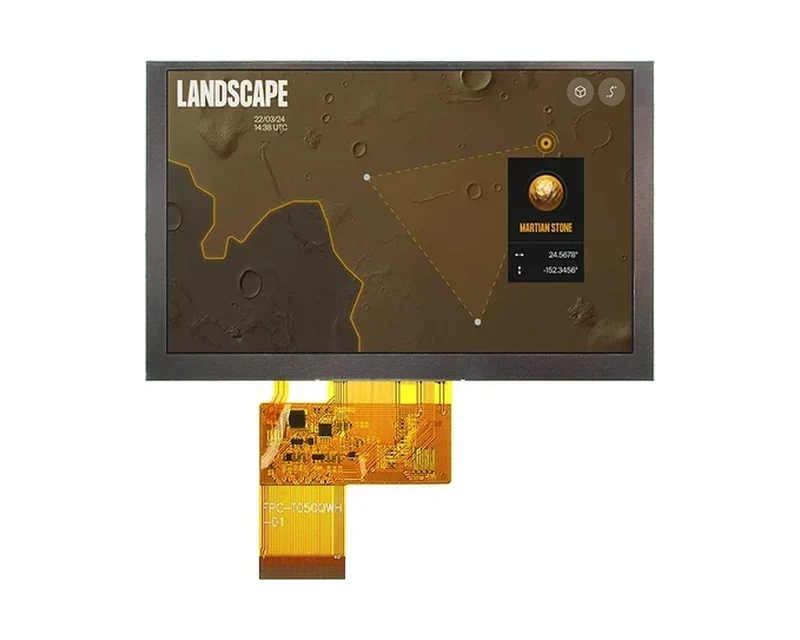
RG-T050QWH-05
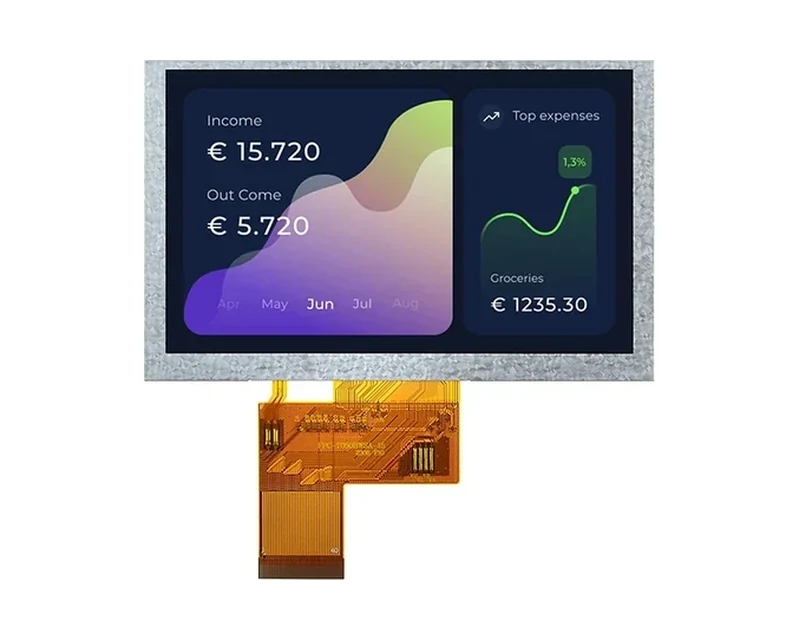
RG-T050BWSA-26
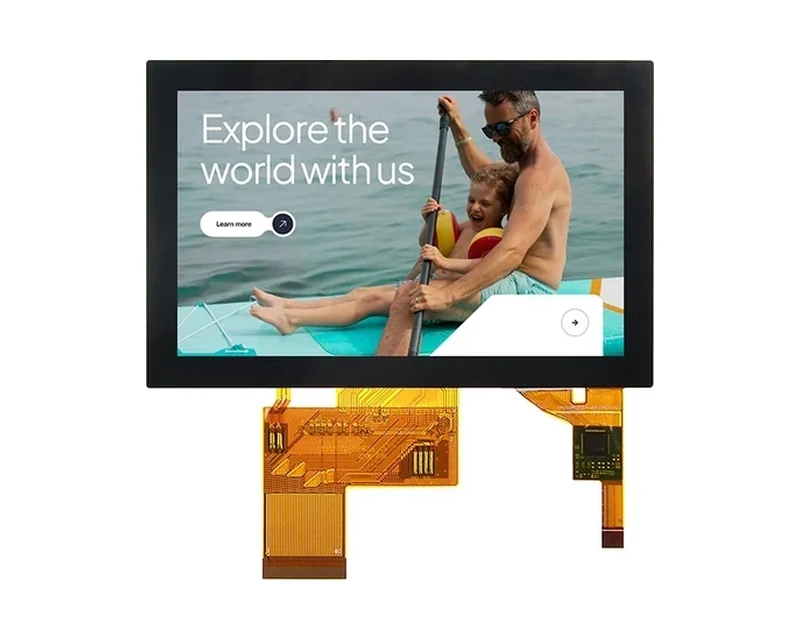
RG-T050BWSA-30CP
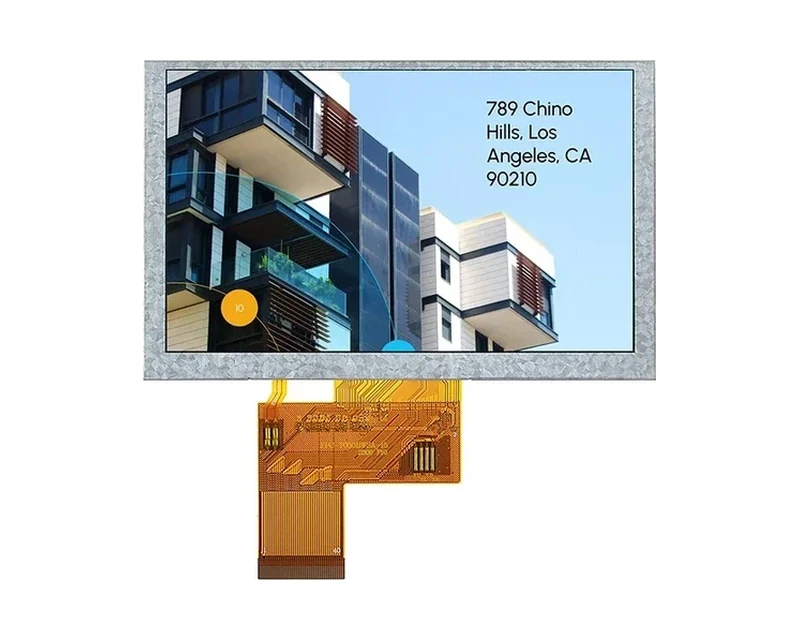
RG-T050BWSA-02
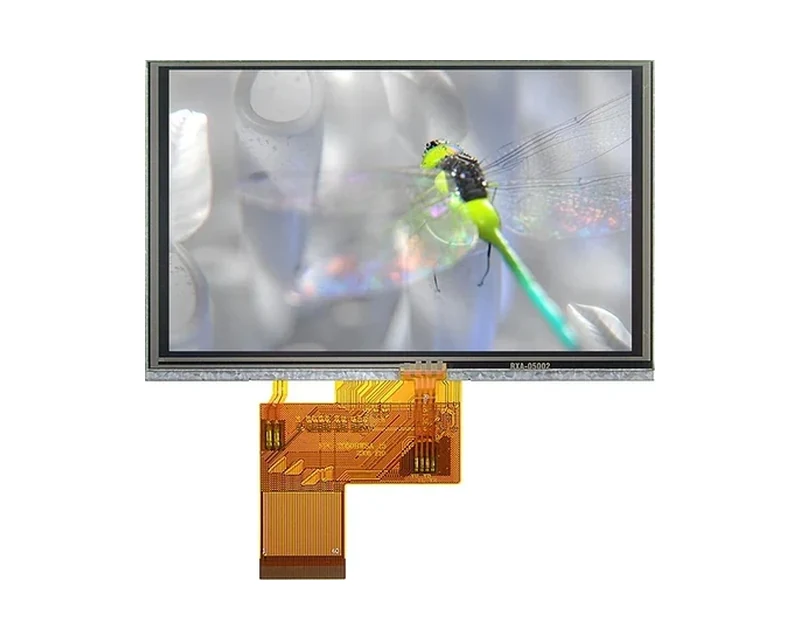
RG-T050BWSA-02P
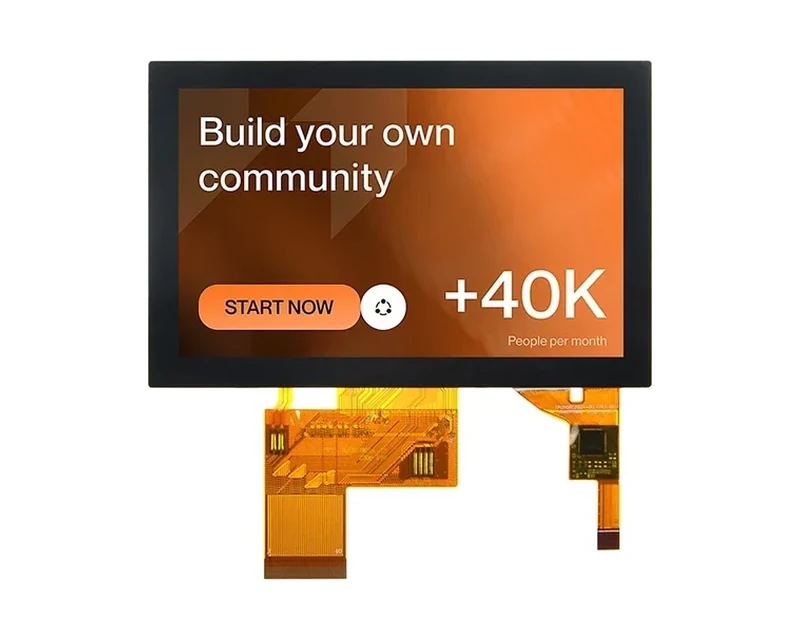
RG-T050BWSA-02CP
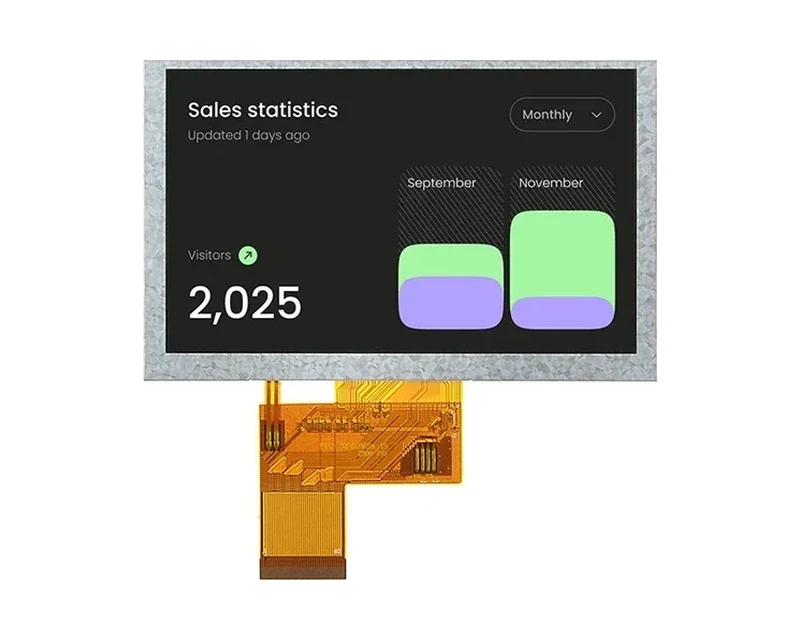
RG-T050BWSWA-02

RG-T050BWSWA-02CP
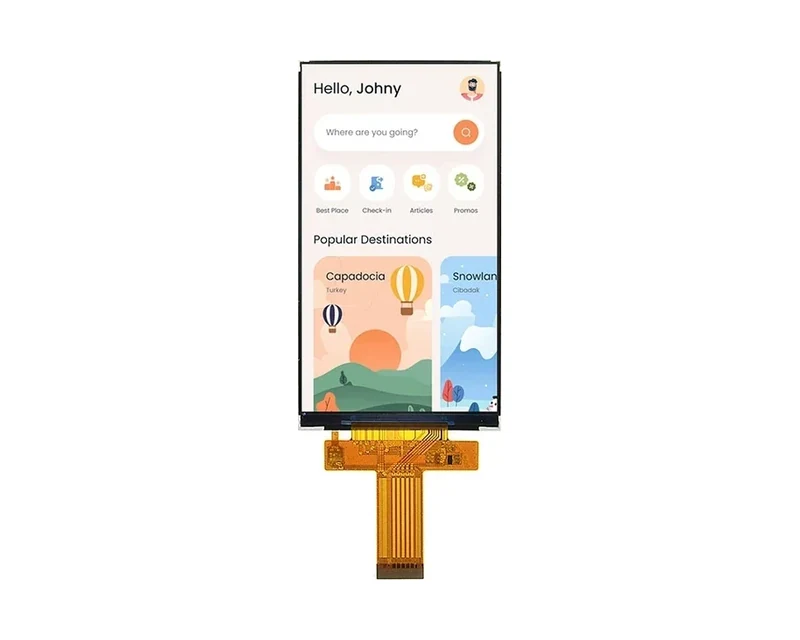
RG-T050BMSA-01

RG-T050BWSWA-02CA
RG-T050QGH-02
RG-T0565BGEA-02DE
RG-T0565BGEA-04DE
RG-T057BGEA-01DE
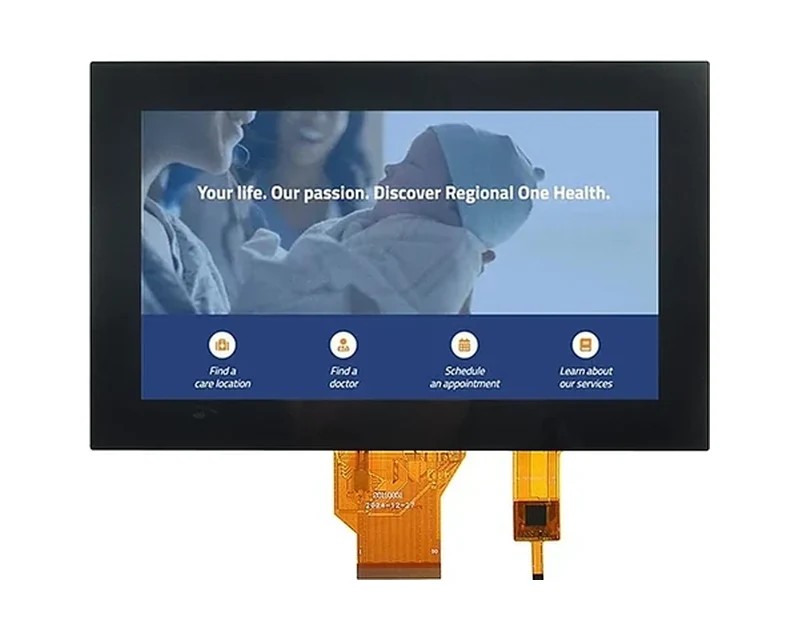
RG-T070QWE-01AD
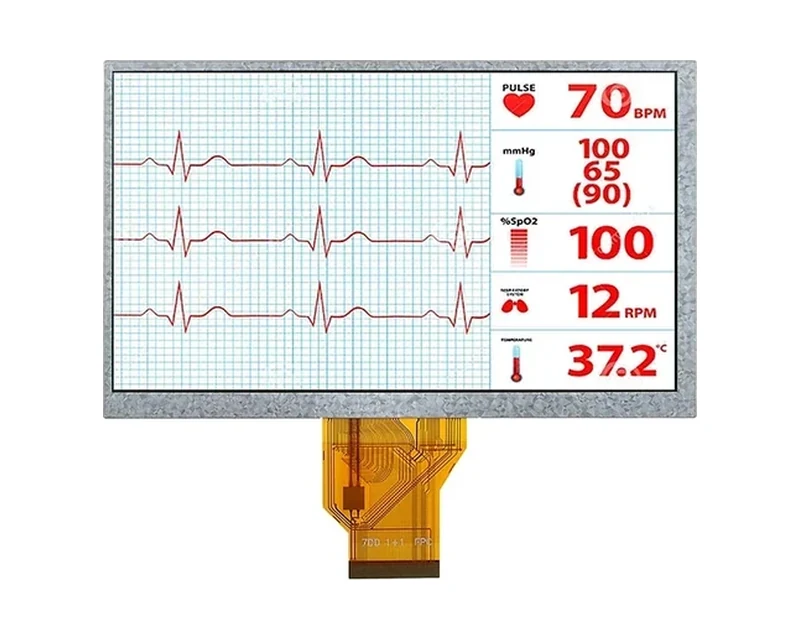
RG-T070SWH-19
RG-T070QWHW-01
RG-T070QWHW-01CA
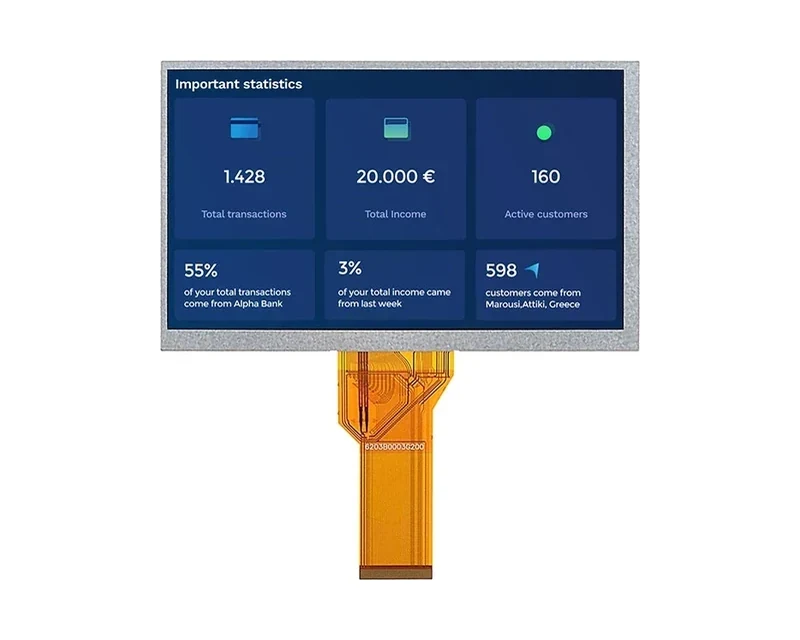
RG-T070QWHW-02
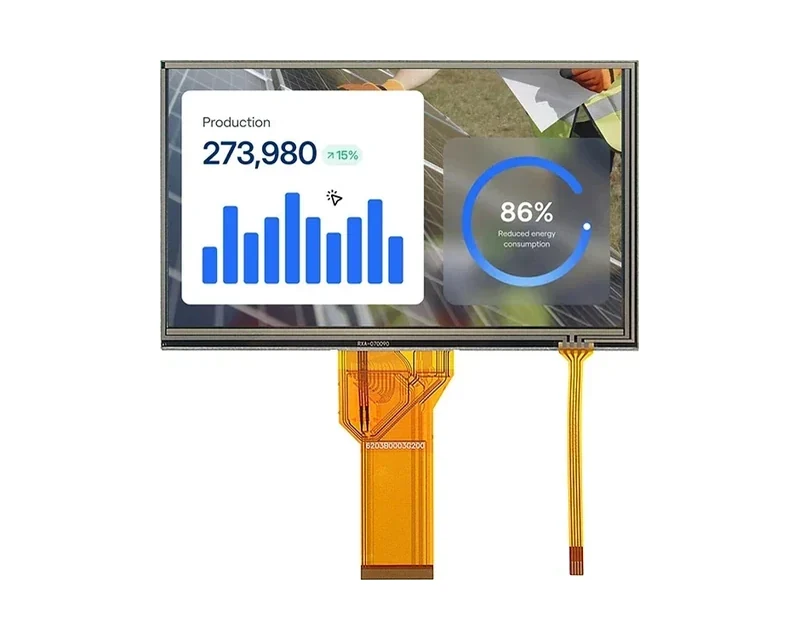
RG-T070QWHW-02P
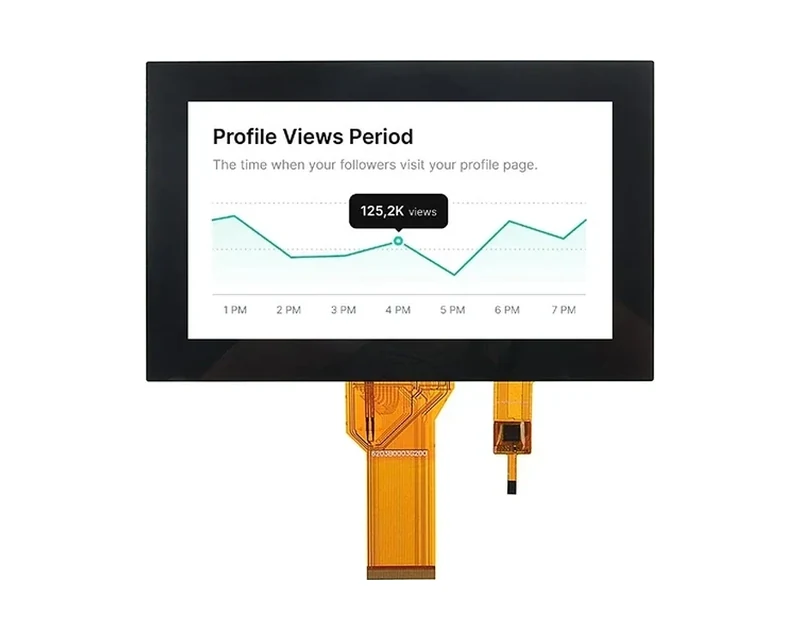
RG-T070QWHW-02CA
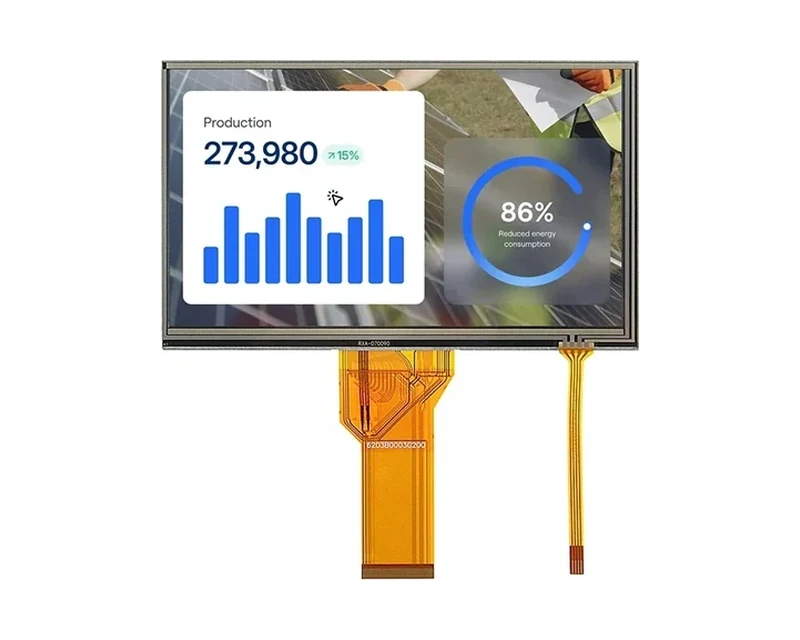
RG-T070QWHW-03CA
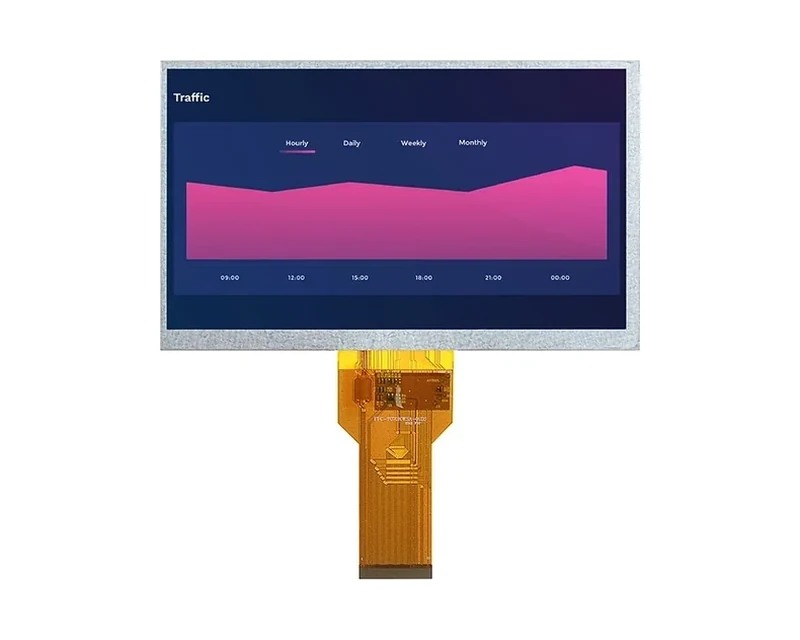
RG-T070KWSA-01
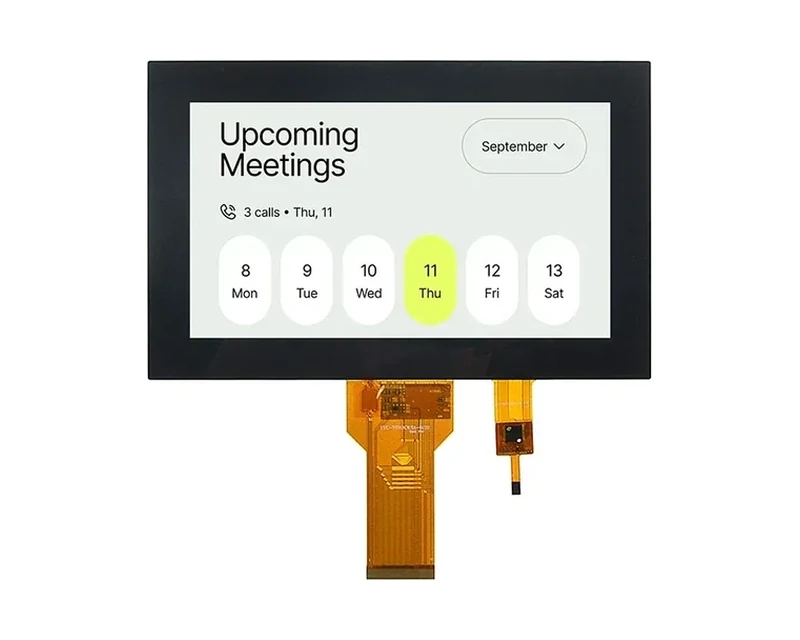
RG-T070KWSA-01CA
RG-T070KWSA-01CP

RG-T070SWHWA-01

RG-T070SWHWA-02

RG-T070BAHA-01
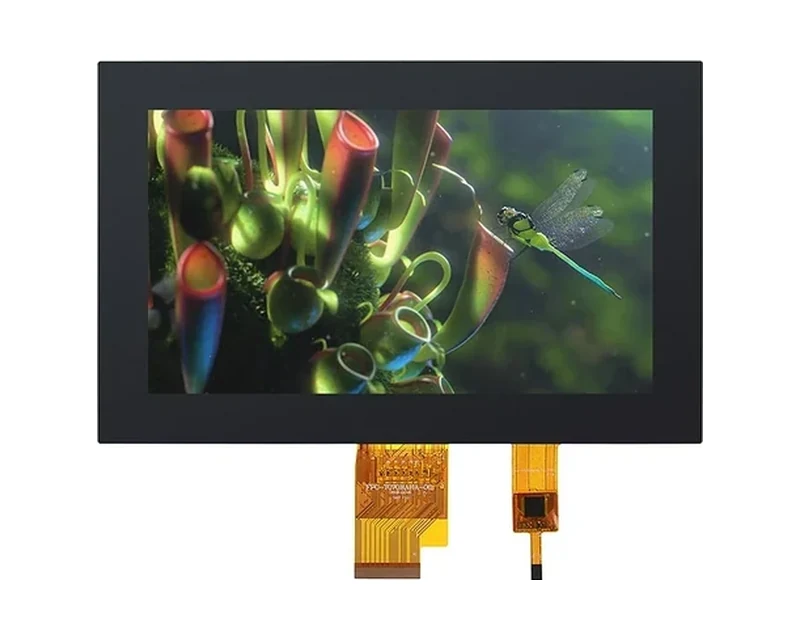
RG-T070BAHA-01CA
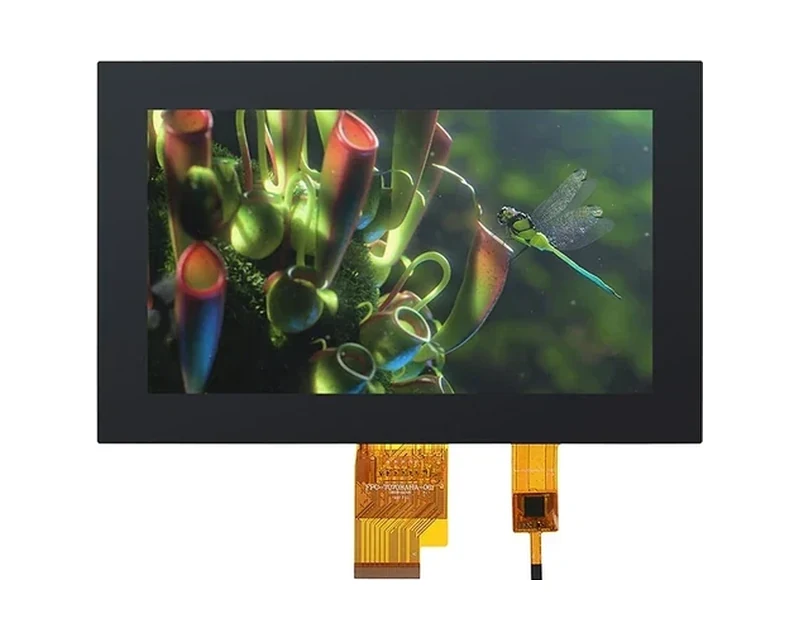
RG-T070BAHA-01CP
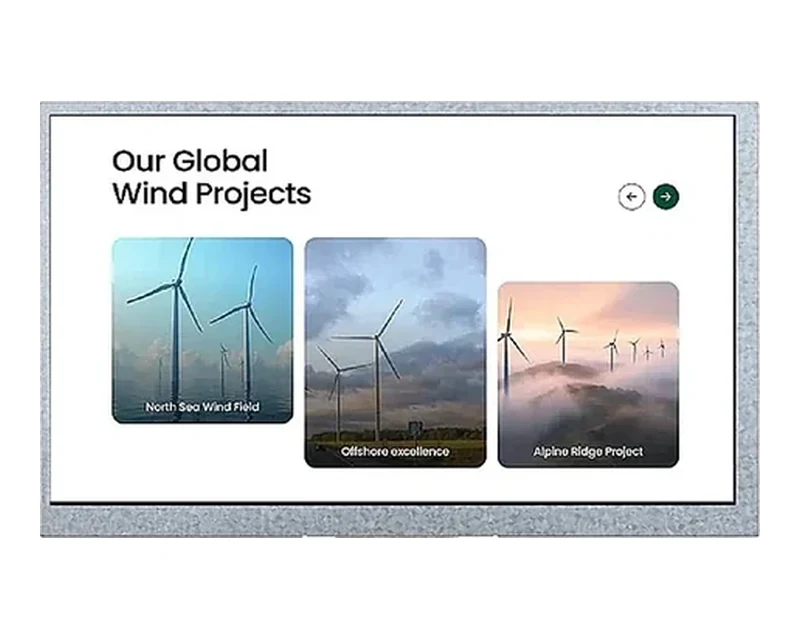
RG-T070BAHA-01-B2
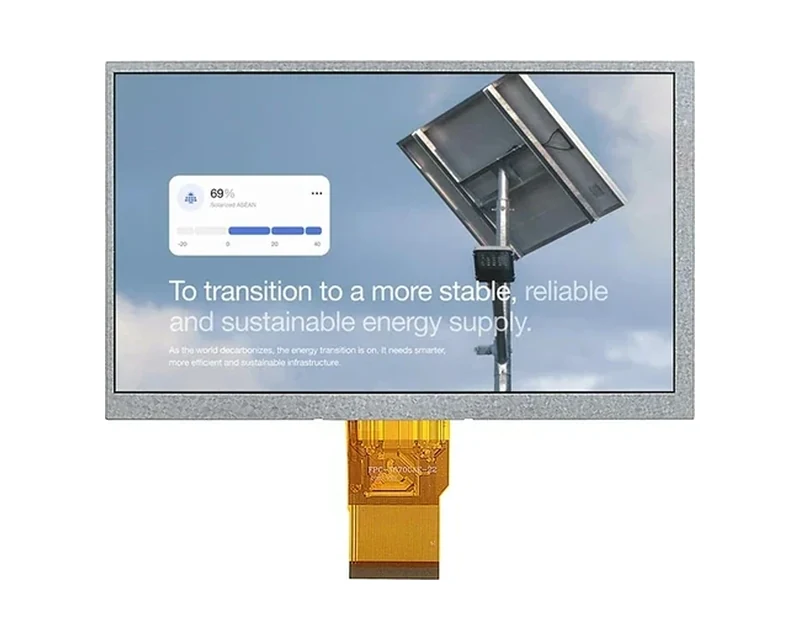
RG-T070BAHA-03
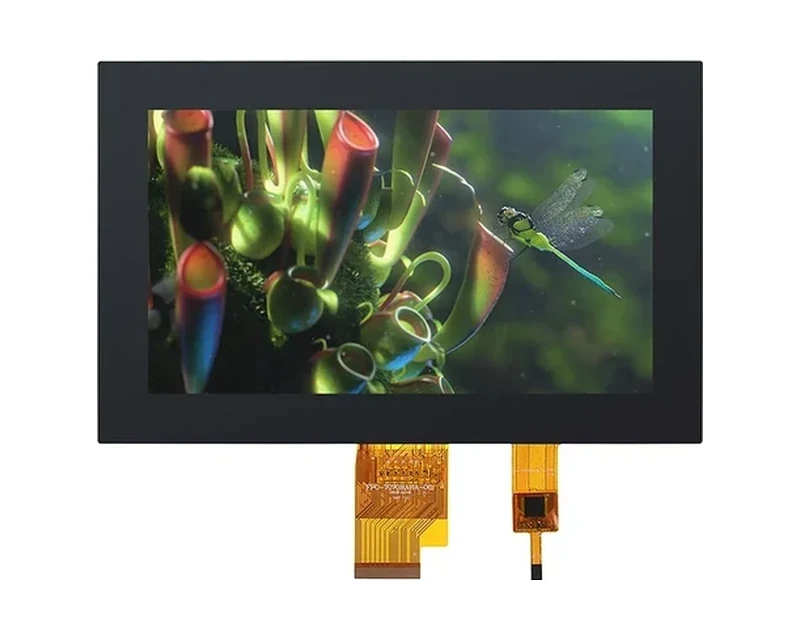
RG-T070BAHA-03CA
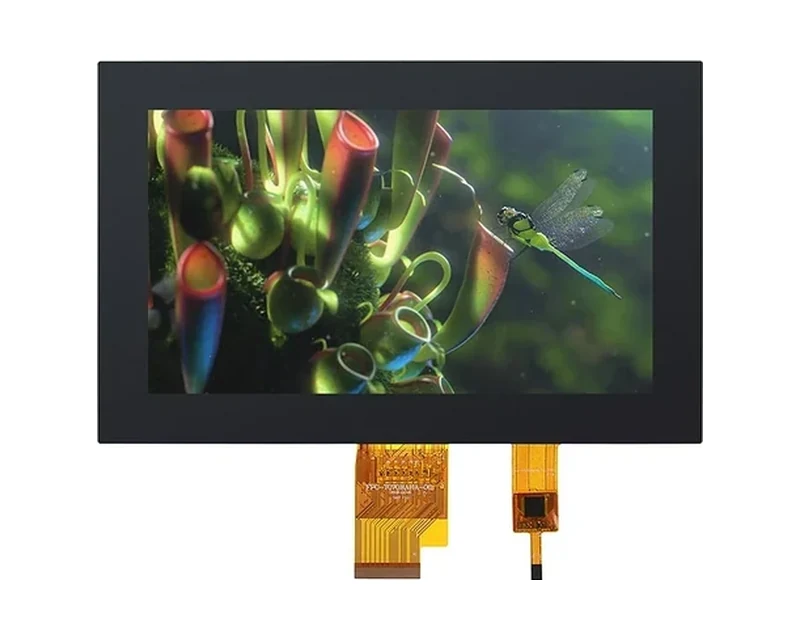
RG-T070BAHA-03CP
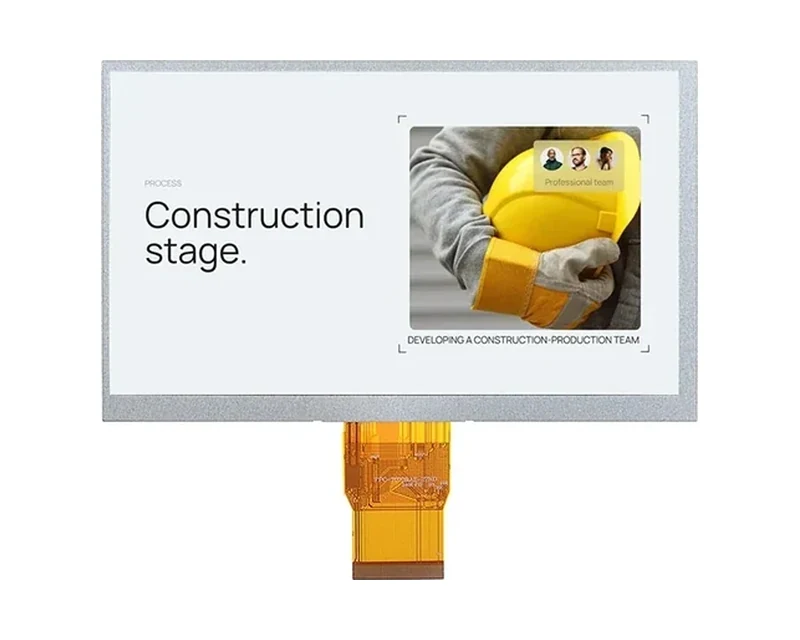
RG-T070BAEA-27ND
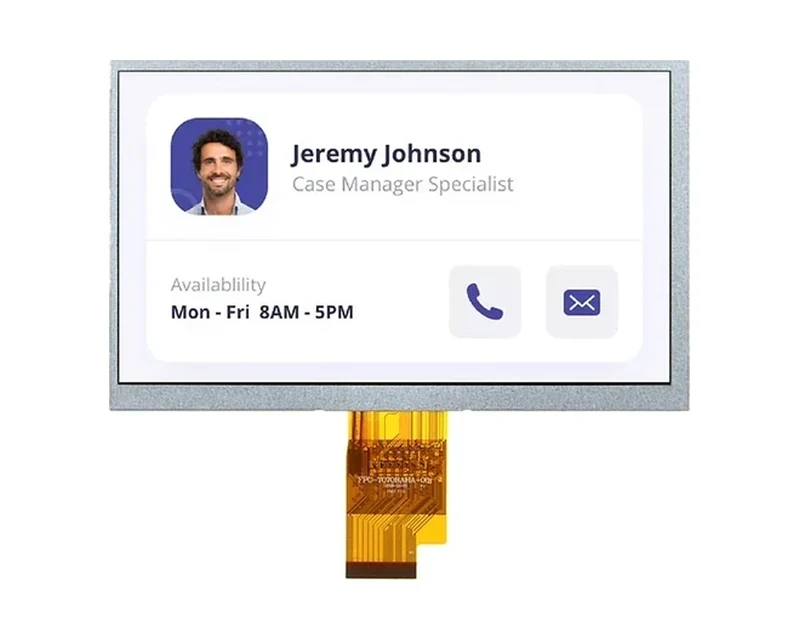
RG-T070BAHA-02
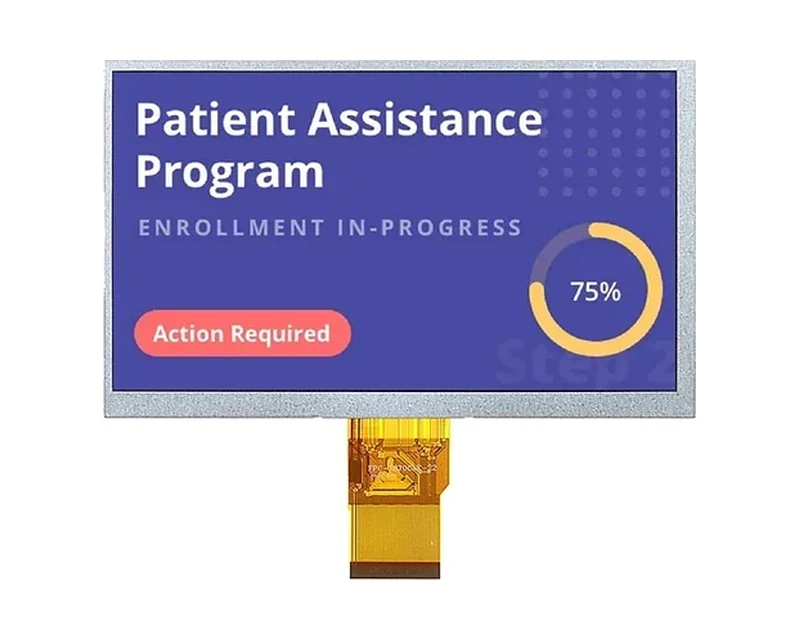
RG-T070BAHA-04
RG-T070BAHA-19CA
RG-T078VYRA-01
RG-T080QGH-03
RG-T080QGH-09
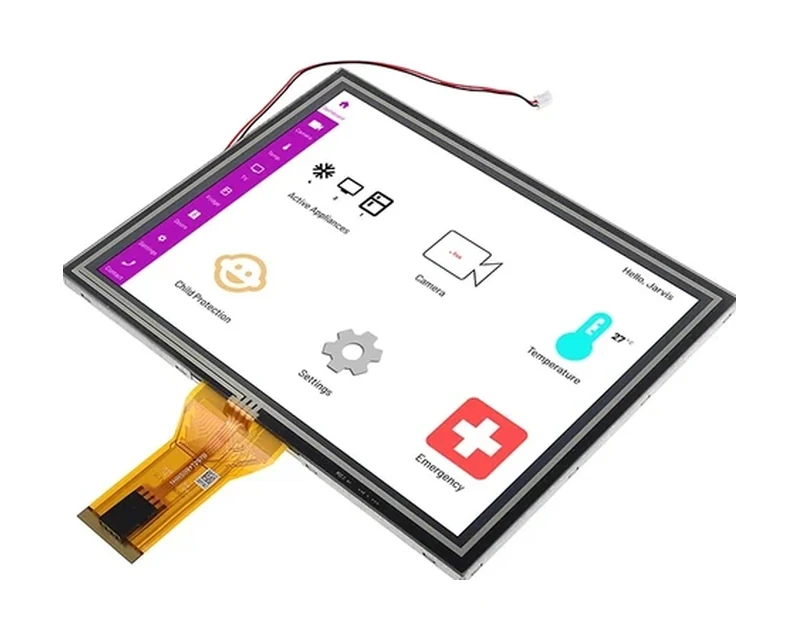
RG-T080BXEA-01CP
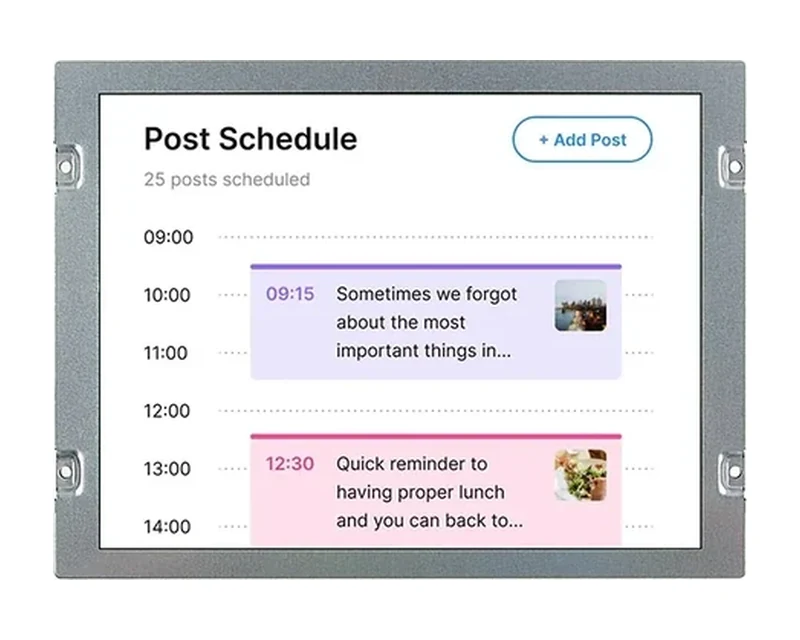
RG-T084BXJWA-01
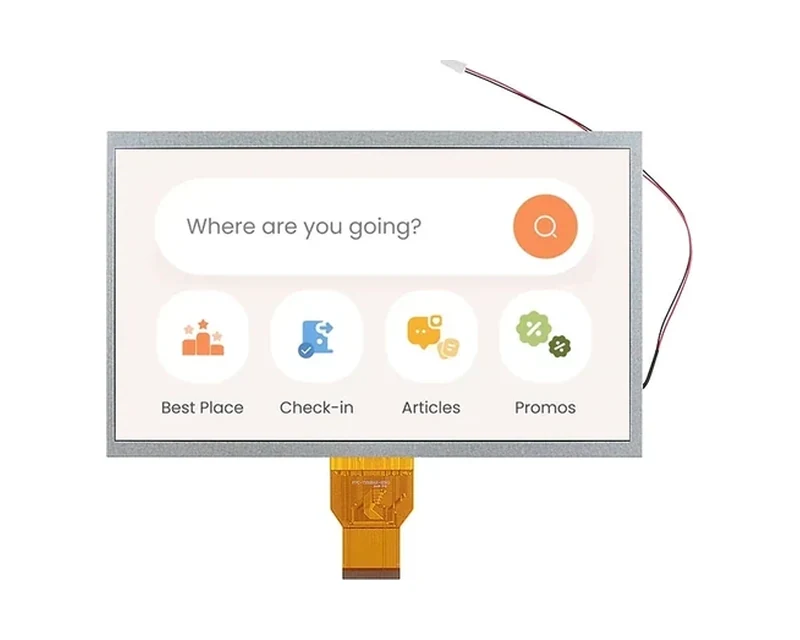
RG-T101BAE-01ND
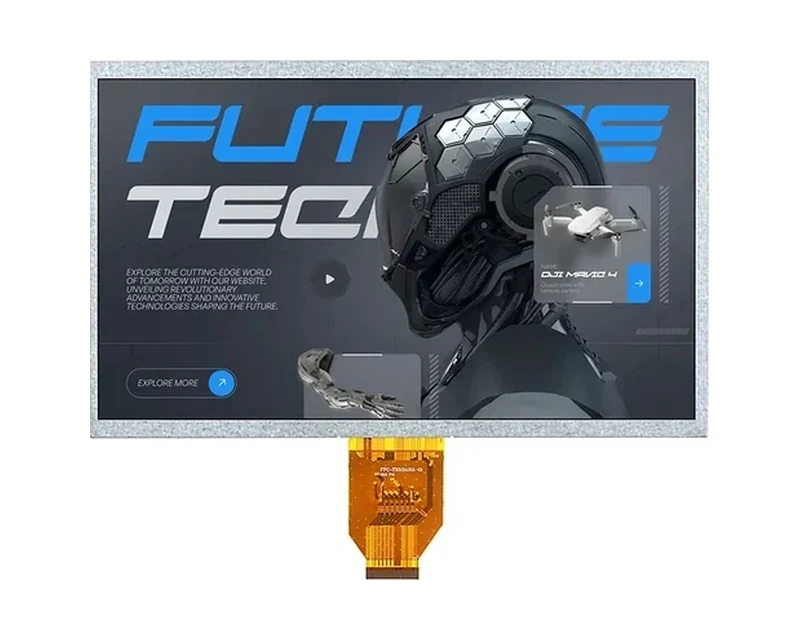
RG-T101BAHA-01

RG-T101BAHA-02CP

RG-T101HIEWA-01
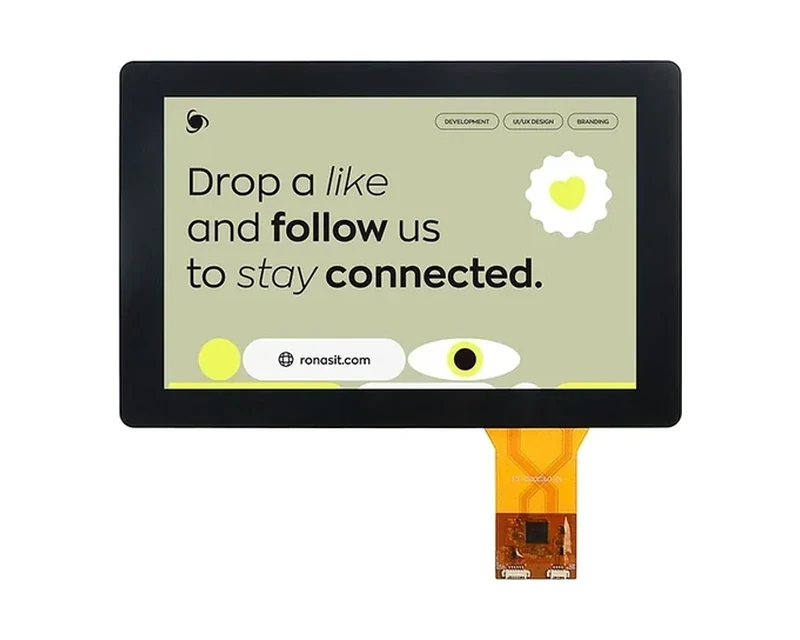
RG-T101HIEWA-01CP

RG-T101HIEWA-03
RG-T101HIEWA-04
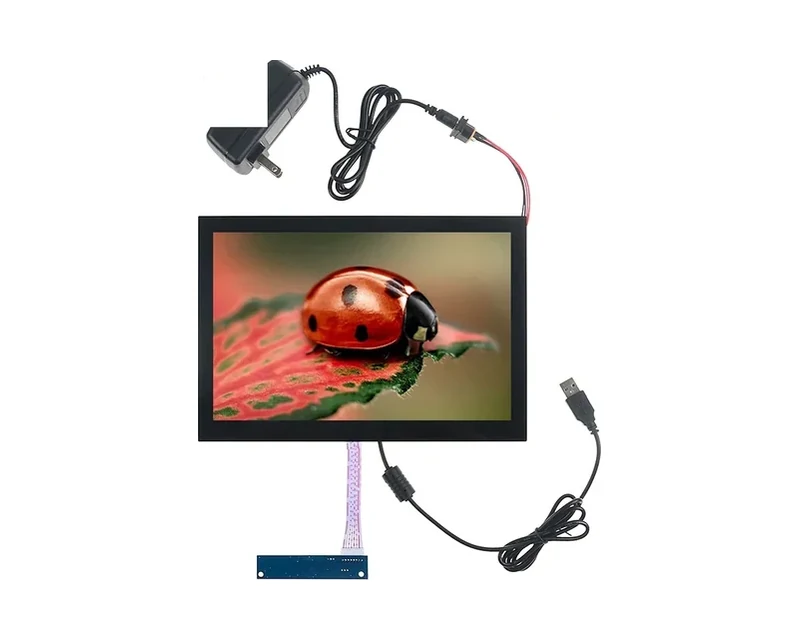
RG-T101QIHA-01CA-B
RG-T101BFHA-01
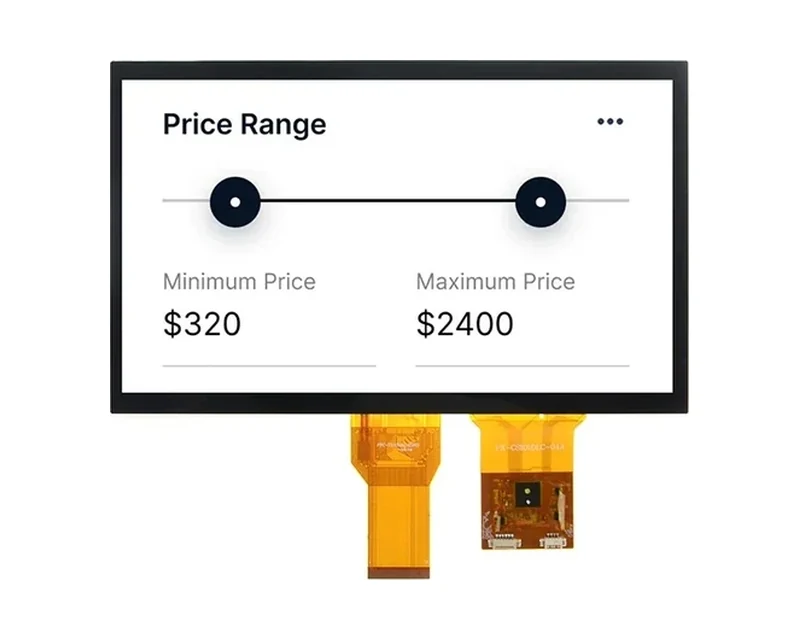
RG-T101BAHA-02CD
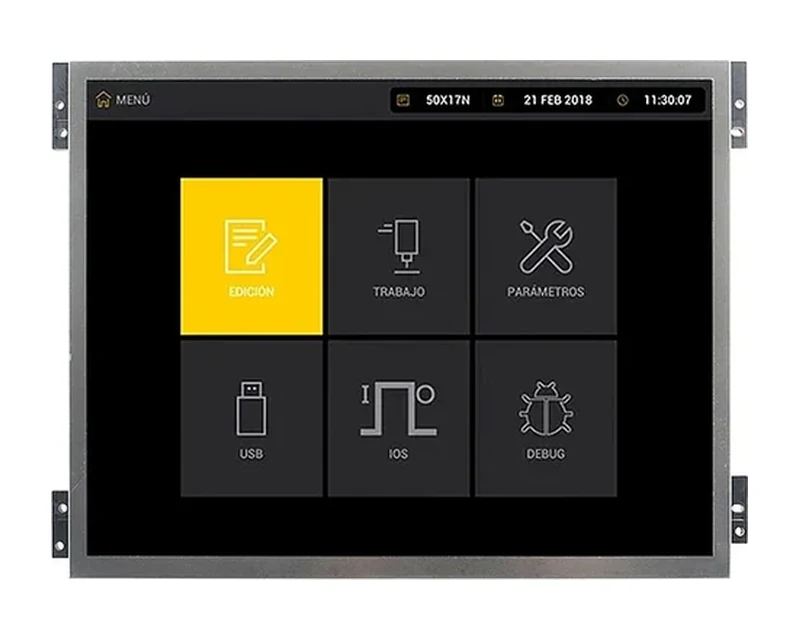
RG-T104QXHA-03
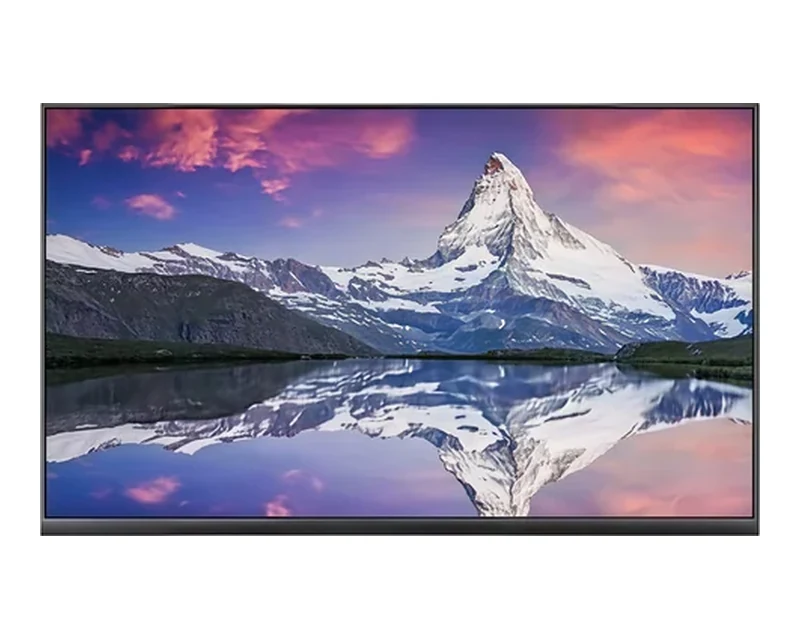
RG-T116BFHA-01
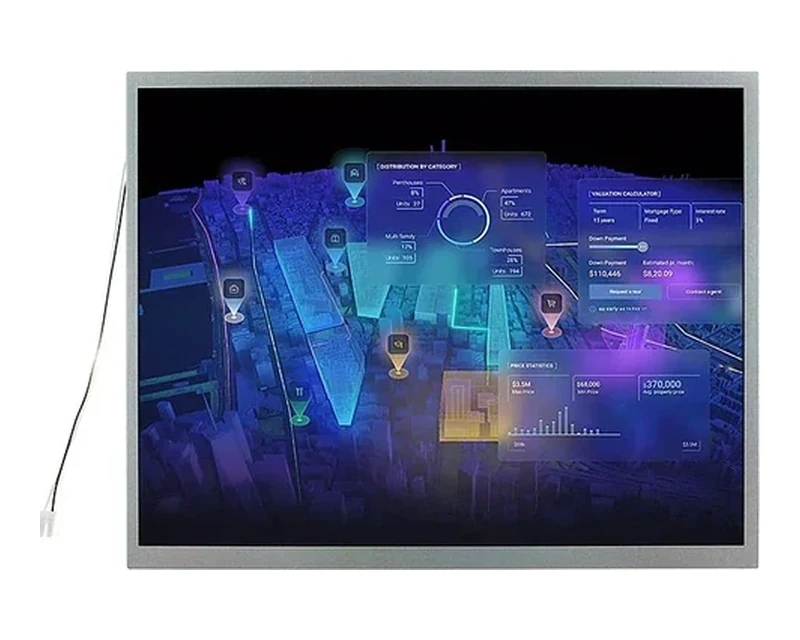
RG-T121QXHA-01
RG-T121QXHA-02
RG-T121QIHA-01
RG-T121BIHA-01
RG-T156QFHWA-01
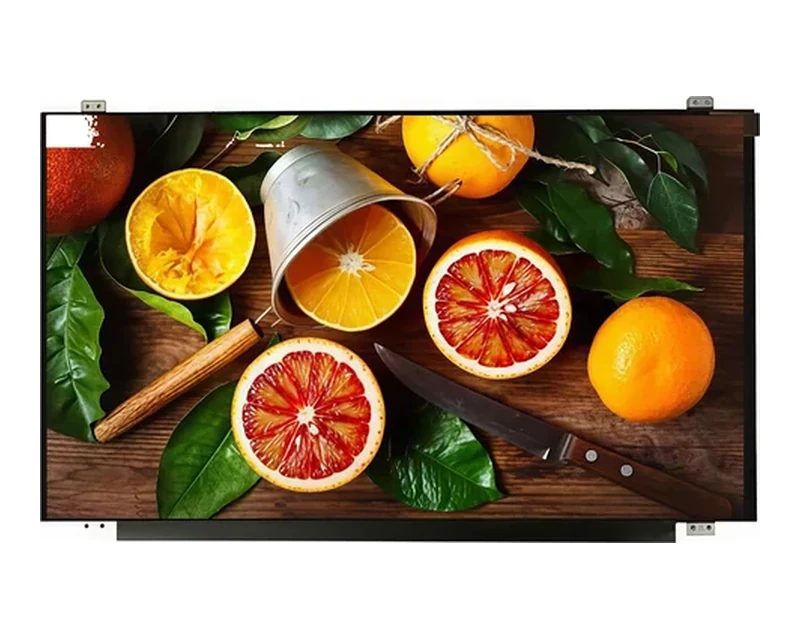
RG-T156BFHWA-02
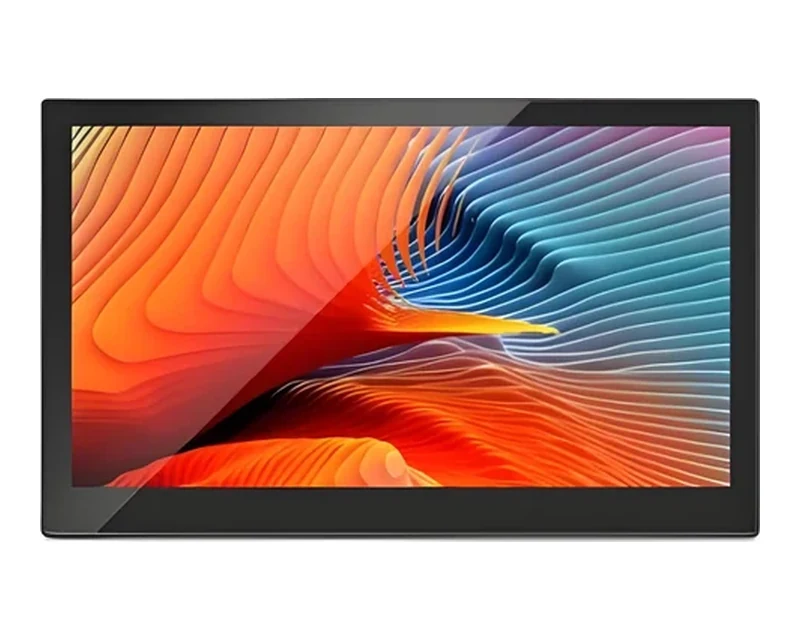
RG-T156BFHWA-02CP
Can’t find the exact model you need?
This is a standard model, and our online catalog shows only part of what we build. We hold additional models not listed here, and we can adjust brightness, interface, touch or outline within an existing product family, or evaluate a fully custom solution. If this model does not fully match your requirements, please email your specifications to sales@odmlcd.com. We’ll help you identify the right part or assess a custom option.
FAQ
For the full engineering breakdown — panel selection for monitors and pumps, optical bonding, EMI/ESD discipline and supply continuity for regulated programmes — see our medical equipment display module guide.
Are they durable and high quality?
Cover-glass options reach 7H on the Mohs scale (≈9H by pencil-hardness test), and modules are built for industrial duty: 1.5 m drop test / IK08 impact rating on the covered versions. Every unit passes incoming and outgoing inspection against the spec sheet.
How do you handle long-term supply and end-of-life (EOL)?
The 190+ standard models are produced continuously rather than project-by-project, backed by our own 35.3M+ pcs/year capacity, so steady multi-year supply is the default. For automotive and medical programs this is reinforced by IATF 16949 (incl. product design, Ch. 8.3) and ISO 13485 certifications.
We operate a PCN / EOL notification process and support last-time-buy planning. Request the formal obsolescence and long-term-supply policy for your program on the contact page.
Are you certified and compliant?
Yes. RONEN holds four certified management systems covering the design, manufacture and sales of LCD modules:
| Standard | Certificate No. | Issued by | Valid to |
|---|---|---|---|
| ISO 9001:2015 | 12 100 65070 TMS | TÜV SÜD | 2028-12-01 |
| IATF 16949:2016 (incl. product design, Ch. 8.3) | 12 111 65070 TMS / IATF 0590501 | TÜV SÜD | 2028-12-01 |
| ISO 13485:2016 (medical device QMS) | 1862024Y0006R0M | Beijing Kun Biao (BRZ) | 2027-04-15 |
| ISO 14001:2015 | 15724E20314R0M | CNAS C157-M body | 2027-10-21 |
RoHS and REACH material compliance is available for every model — we supply the test report for the exact part number you order. CE is declared by the manufacturer of the finished product, not by a bare display module: we provide the EMC and electrical-safety test data your integrator needs for its own CE declaration, rather than claiming a certification that does not exist at module level. The IATF 16949 certification — with product-design scope — supports automotive programs, and ISO 13485 supports medical-device display projects.
How fast can you deliver?
Typical prototype / sampling cycle is confirmed per project in writing and mass-production lead time is confirmed per project in writing, with an on-time delivery (OTD) rate of 96.5%. Expedited sampling is available for NPI programs.
Are these DICOM-calibrated diagnostic displays?
No — they are display components. DICOM Part 14 calibration, whole-screen luminance uniformity and a calibrated greyscale standard display function are properties of the finished device and are verified by the device manufacturer. What these modules provide is the raw material: a stable backlight, a known bit depth and consistent gamma, documented so the device calibration can rely on them.
Which panel type suits a patient monitor?
IPS in almost every case. The monitor is read from an angle — a nurse crossing the room, a second clinician at the foot of the bed — and TN desaturates the alarm colours off-axis. IPS costs some brightness per watt, which matters less at bedside luminance levels than colour consistency does.
How do I specify cleaning resistance?
Name the agents and the wipe type, not a generic “hospital disinfectant”. 70% IPA, quaternary ammonium and accelerated hydrogen peroxide behave differently on anti-glare coatings and printed graphics. Include the number of wipes per shift and whether the front is glass or film; the answer changes the surface specification and, sometimes, the panel family.
Can the panel dim low enough for a night ward?
Ask for the dimming range rather than assuming from the maximum brightness. Single-digit cd/m² at the low end is what a dark ICU needs, and it depends on the backlight driver and the panel’s low-luminance behaviour. A panel that dims to 20 cd/m² will still light the bed area at night.
What happens when a panel is discontinued mid-device-life?
Plan for it at purchase: ask for a written end-of-life notice period, keep the part number and revision in the technical file, and arrange a last-time buy sized to service demand rather than annual production. Where a successor exists, qualify it on form, fit and function — the same outline still has to pass the device’s display performance check.