
Bar-Type (Stretch) TFT LCD Modules — Shelf Edge & Mirror | RONEN
Stretched bar panels fit where 16:9 never will: shelf-edge price rails, rearview mirror strips, vehicle dashboards and appliance status bands. RONEN's bar module range covers 2.15″–15″ with stretched resolutions from 100x310 to 1920x720, portrait and landscape cuts, and up to 1200 cd/m² brightness. Custom lengths and FPC positions are routine ODM work.
- 51 stretched-bar modules, 2.15″–15″ — portrait and landscape cuts
- Up to 1200 cd/m² — visible in lit retail aisles and daylight
- Custom bar lengths, cut shapes and FPC exits via ODM
Browse all 128 special shape modules →
Why a Stretched Panel Costs More per Square Centimetre
A bar panel is cut from the same mother glass as a 16:9 panel, and glass does not care what shape you want. A display mother sheet is tiled to fit whole panels with minimum waste; the further an aspect ratio moves from the sheet’s natural tiling, the more glass is discarded per good unit. That is the whole cost story: a 1920×720 strip at the same area as a 16:9 panel carries a higher price because fewer of them fit, not because the technology is different.
The practical consequence for a design team: choose an existing cut wherever the aperture allows. A 2 mm change in strip length can move the part from a stocked size to a custom cut, and the custom cut carries both a new tooling cost and the yield penalty. The 51 modules in this range exist precisely so that most apertures can be met with a standard cut.
Uniformity Along a Long Backlight
Lighting a 1:3 or 1:5 strip evenly is harder than lighting a rectangle, because the LEDs sit along one or both long edges and the light has further to travel across the short axis. Two artefacts show up in bar displays and almost never in 16:9 panels:
- End fall-off. The last 5–10 mm at each end of the strip runs dimmer unless the light guide is designed with additional extraction features there. On a shelf rail this reads as a gradient in the price band.
- Hot spots at the LED pitch. Visible as a scalloped pattern along the edge nearest the LEDs, most obvious on a white background. Light-guide dot patterning is what controls it; it is a design property of the panel, so compare samples on a white field rather than on a colourful demo image.
FPC Exit: The Detail That Decides the Enclosure
A bar module is often mounted in a 15 mm-deep rail or a mirror housing, where the flex has to leave along the long edge and bend immediately. Three variables have to be agreed before tooling:
- Exit edge and offset — centre, or offset to clear a mounting boss. A 10 mm offset difference is a new part, not a note on the drawing.
- Bend direction relative to the stiffener. Folding against the stiffener cracks the copper; the fold has to be planned with the connector position, not after it.
- Connector type — board-to-board for a fixed stack, or a solder tail where height is critical. A 0.5 mm-pitch connector is often the tallest item behind a 6 mm strip.
Three Applications, Three Specifications
| Application | Typical size / aspect | Resolution | Luminance | What decides it |
|---|---|---|---|---|
| Shelf-edge price rail | 2.15″–4.6″, ~1:3 portrait or landscape strip | 240×480 to 400×960 | 500–1000 cd/m² | Viewing from 40–80 cm under store lighting; end fall-off visible on a white price field |
| Rear-view mirror strip | 8.8″–9.16″, ~1:8 | 1920×480 class | 800–1200 cd/m² | Daylight behind the vehicle; polariser orientation relative to the mirror; night dimming to avoid glare |
| Appliance status band | 3.0″–6.9″ | 128×480 to 480×1280 | 250–600 cd/m² | Fixed icon layout, wide temperature in a heated appliance, and a bezel that disappears into the front panel |
Resolution and What Fits on a Strip
On a bar display the long axis carries the content and the short axis carries the line count. A 1920×480 strip has 480 lines — enough for a two-line price, a barcode and a status icon, not for a paragraph. Two rules keep the layout honest:
- Design at the native pixel grid. A 1920×480 image scaled from a 16:9 asset loses the thin horizontal strokes first, and thin strokes are what small text is made of.
- Respect the physical height. A 480-line strip at 8.8″ is about 163 PPI along the short axis; the same 480 lines at 15″ is about 96 PPI, which is fine at a metre and coarse at 30 cm.
The Range in Three Groups
The catalog is listed in three groups on this page: 9 models in the main bar family, 37 additional bar models from 2.15″ to 15″, and 5 large-format modules at 8.8″–9.16″. Across them the aspect ratios run from roughly 1:2.4 in portrait to 8:3 in landscape — the wider the strip, the fewer standard cuts exist and the more the aperture should follow the panel rather than the reverse.
| Form | Aspect | Resolution examples in this range | Typical use |
|---|---|---|---|
| Portrait strip | 1:2.4 – 1:5 | 480×1280, 400×960, 280×1424 | Shelf rail, door column, appliance side band |
| Wide strip | 2.4:1 – 8:3 | 1280×320, 1920×720, 1920×480 | Mirror strip, dashboard band, menu rail |
| Large-format bar | ~1:8 | 1920×480, 462×1920 | Rear-view mirror, transport information band |
Standard Modules in This Range
9 standard models in this family
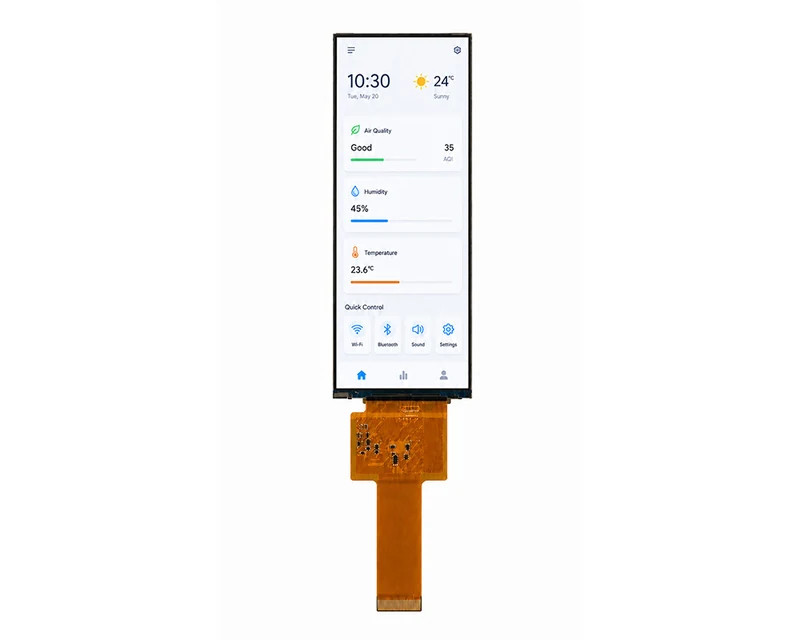
RG-T0401102-01
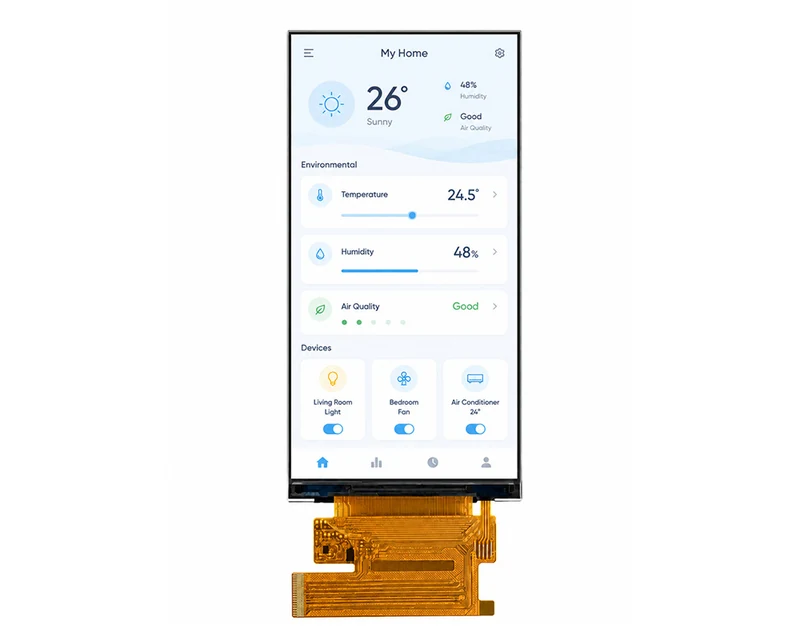
RG-T0402109-03
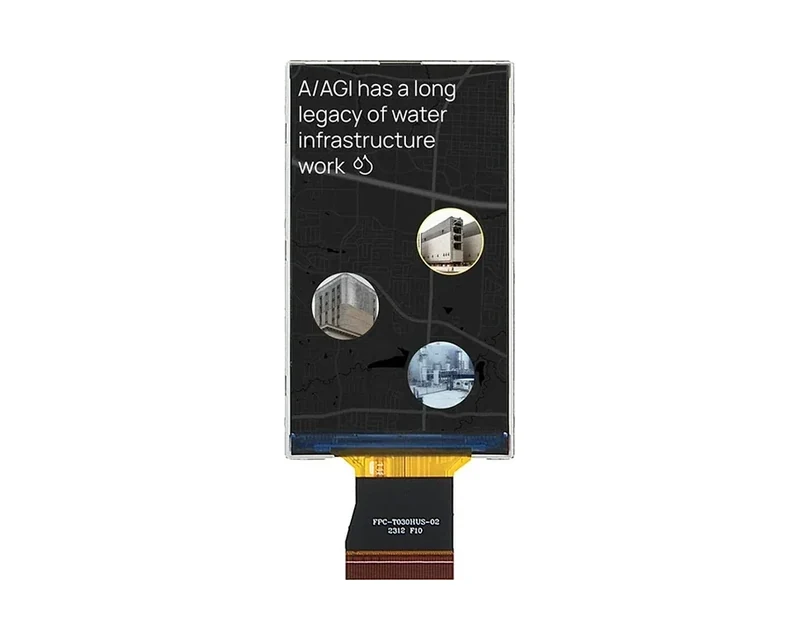
RG-T030HUSA-01
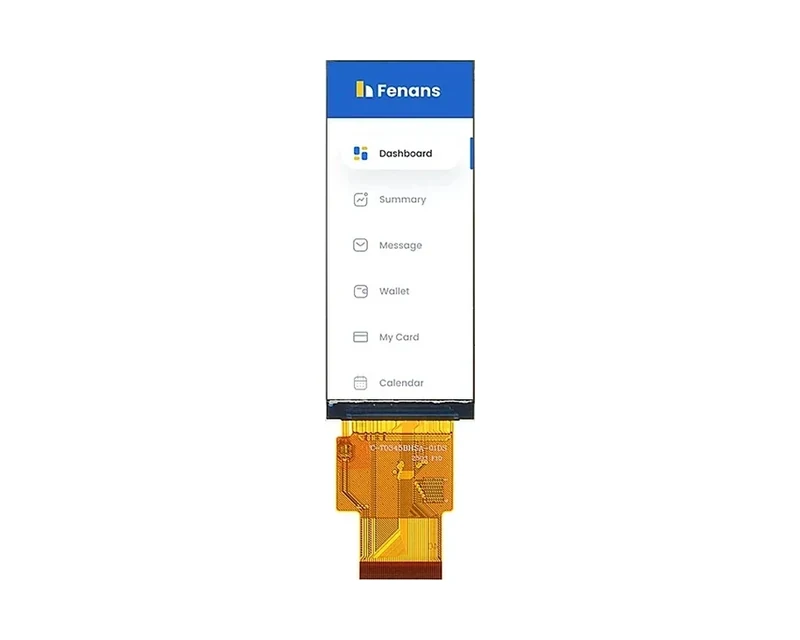
RG-T0345BHSA-01
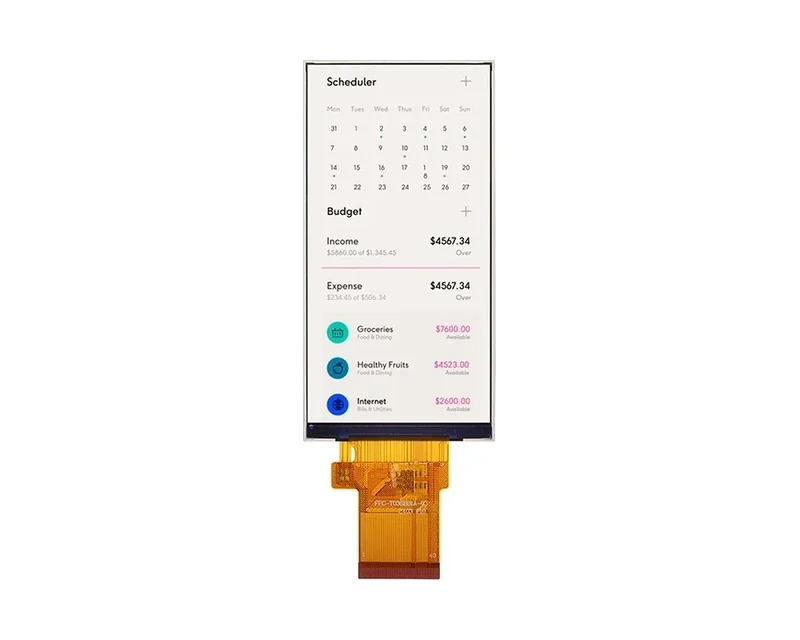
RG-T036BBIA-03
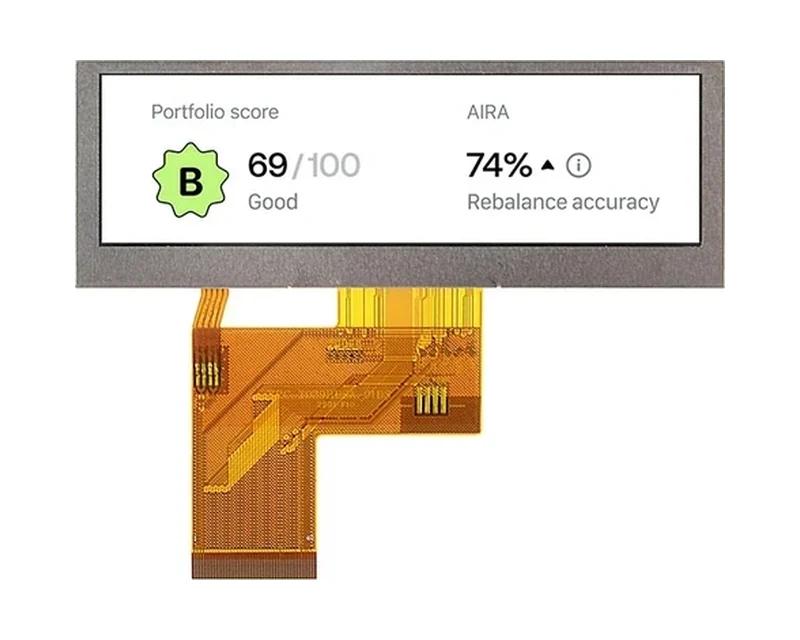
RG-T039BPSA-01
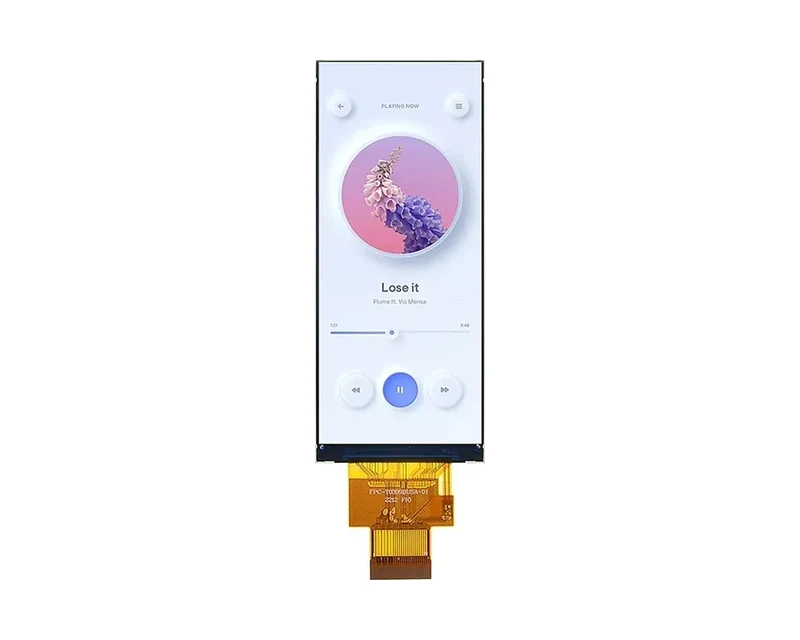
RG-T0399BUSA-01
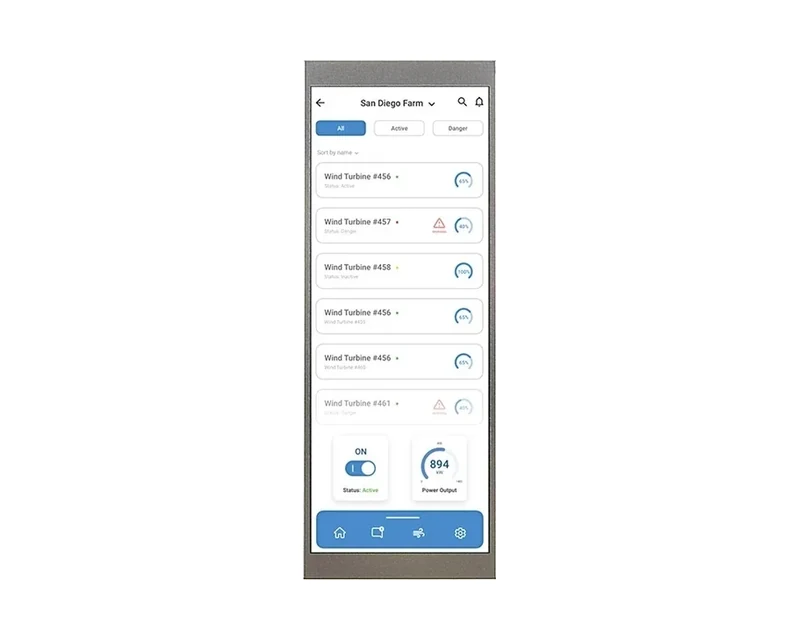
RG-T068BZSA-01
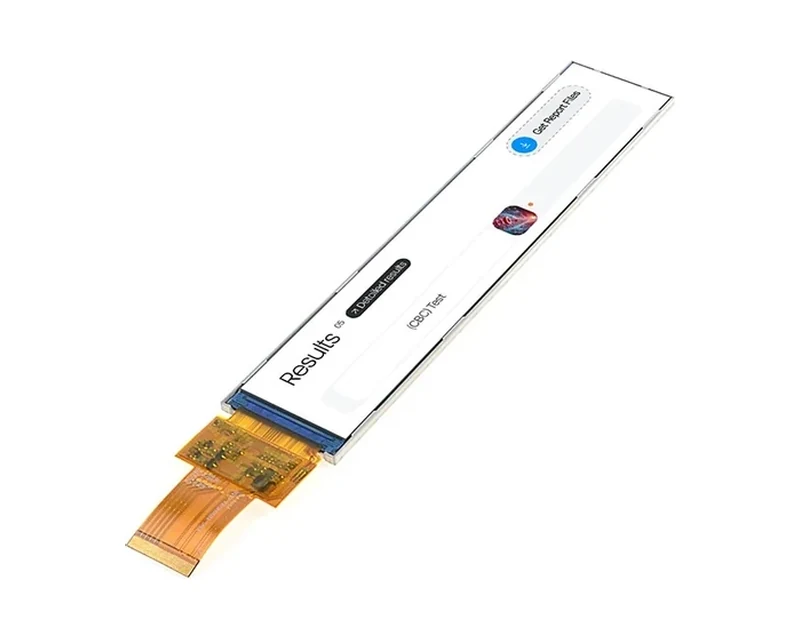
RG-T070BUSA-01
37 additional bar standard models · 2.15″–15″
RG-T0215QI-B12
RG-T023QV-G12
RG-T0299QI-I10
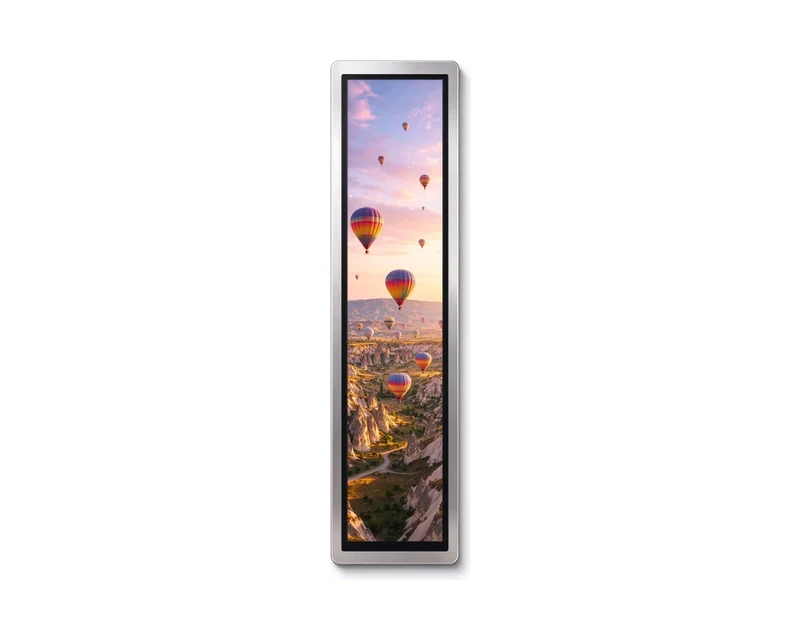
RG-T0319QI-I10
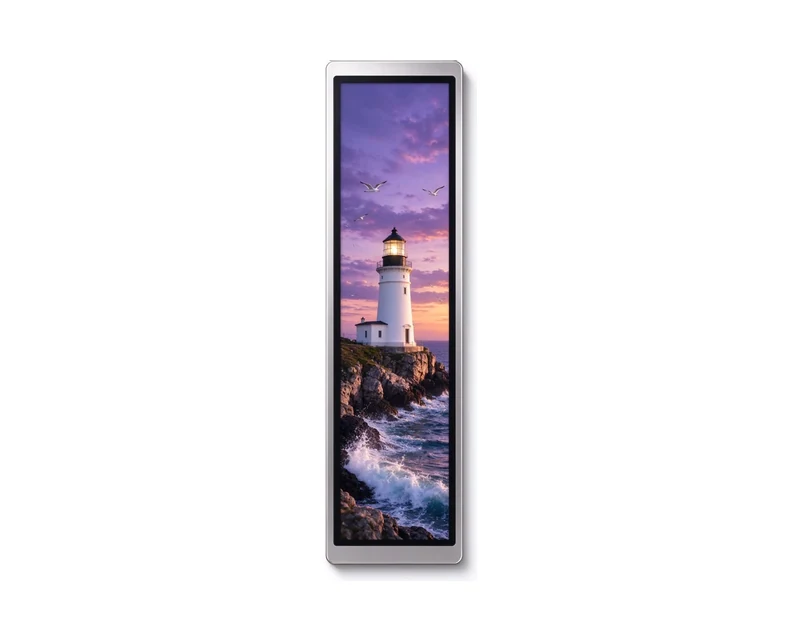
RG-T0299WVI-H40
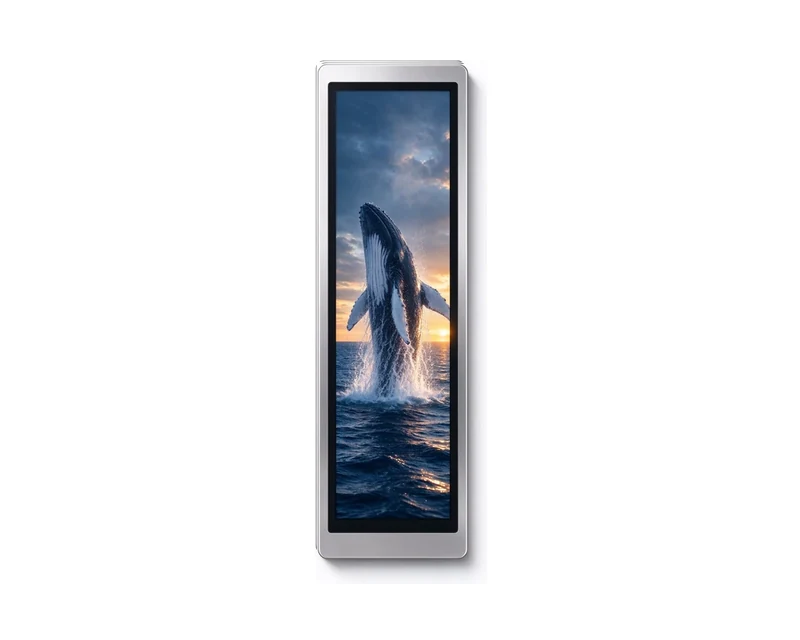
RG-T0313WV-HX24-TB9
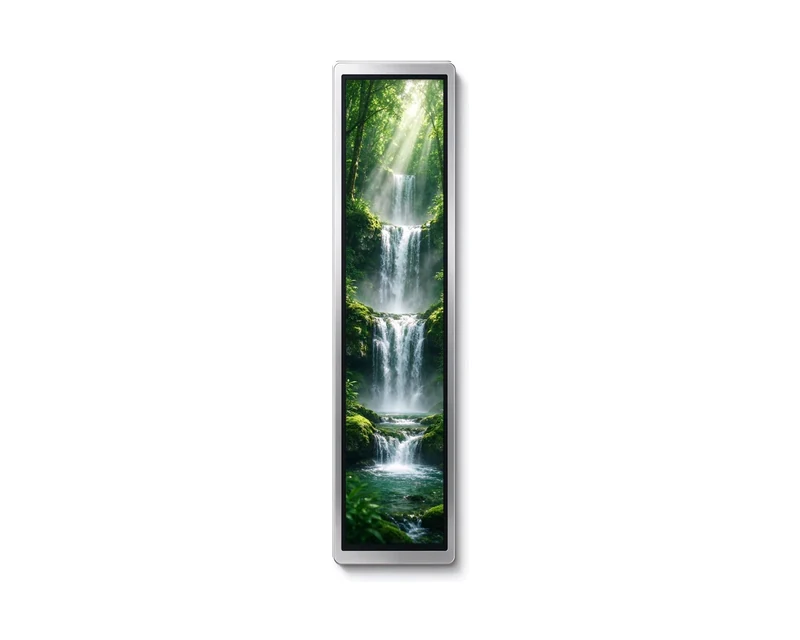
RG-T338I-B14SPI
RG-T0369-B12M01
RG-T037FI-B40-04214C1
RG-T0393WV-B40
RG-T399WVI-B40-08201C8
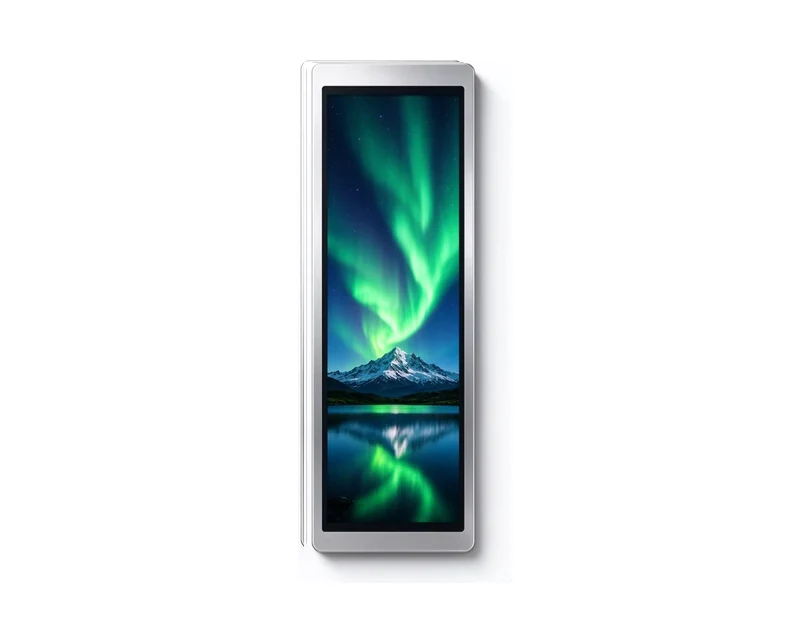
RG-T0419WV-B40M01
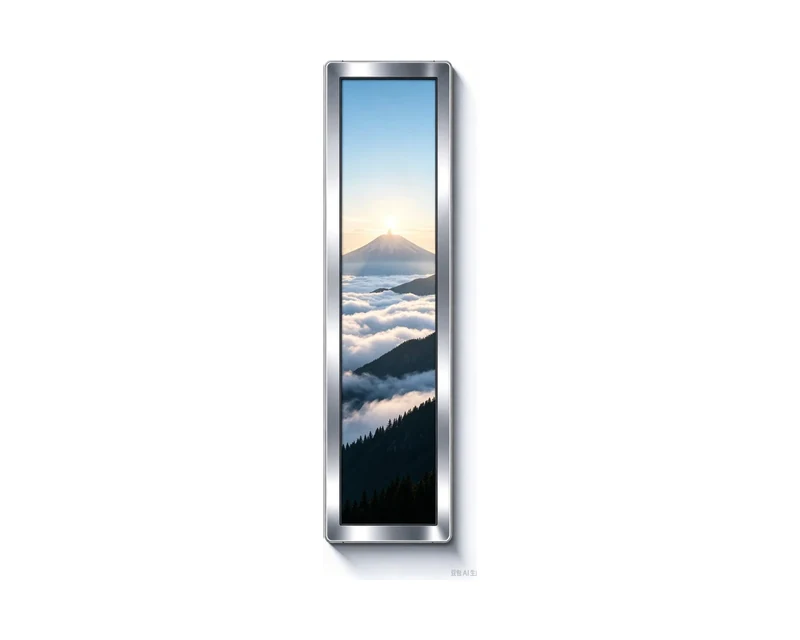
RG-T046WVI-A40-0825
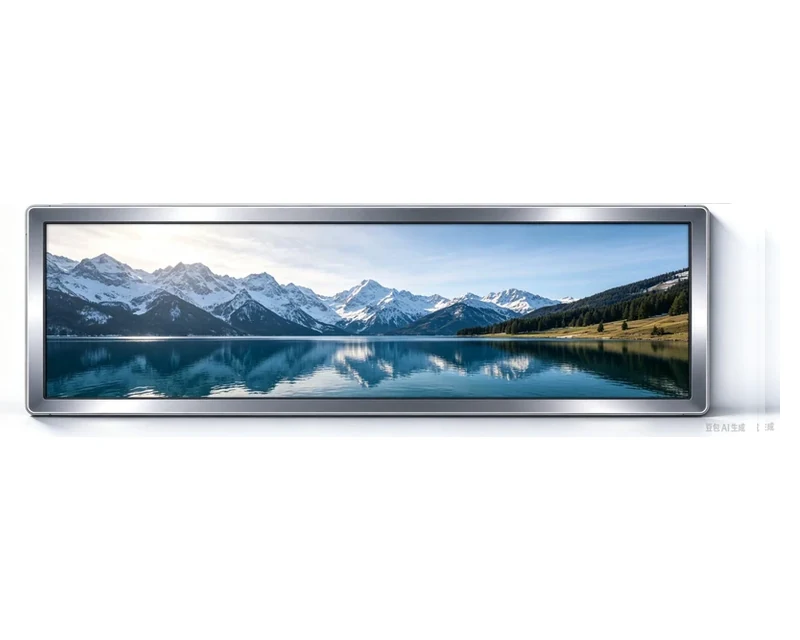
RG-T054WQI-B4085-02
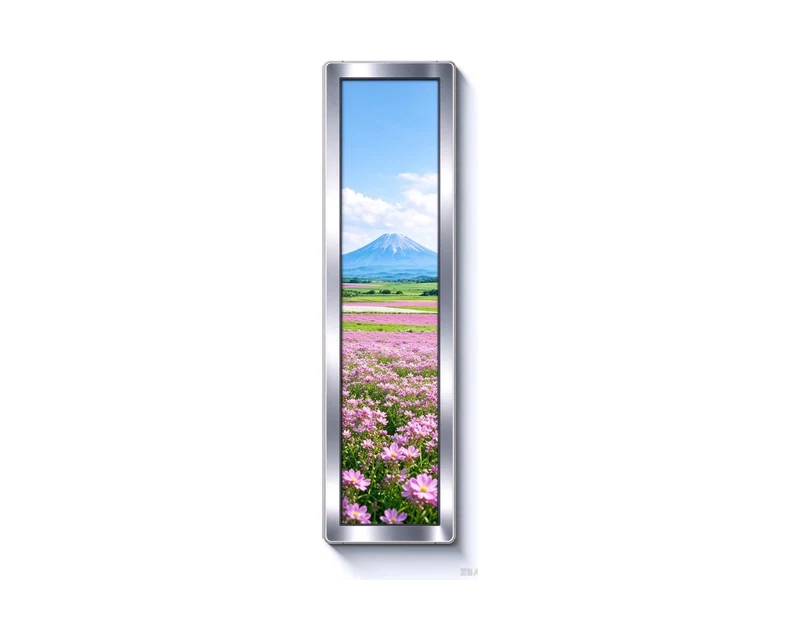
RG-T060FWI-B401-1000
RG-T062WV-B403M01
RG-T067HDJ-XL40M01
RG-T068HD-H40M01
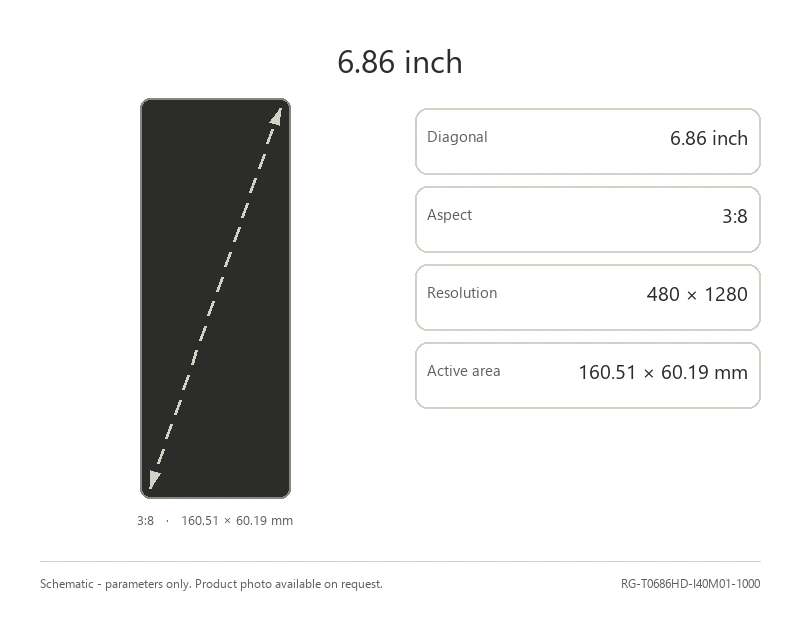
RG-T0686HD-I40M01-1000
RG-T0686HI-H240
RG-T070HDI-H40M.V1-0835
RG-T0786-I40M01
RG-T086HD-I40M01
RG-T087FH-H68LV
RG-T092FH-I40M01
RG-T093SKQ-B40M01-CTP
RG-T0966-B40M
RG-T1025FH-XL40M01
RG-T1138FH-B40M
RG-T1126FH-B401M
RG-T123FH-B50L
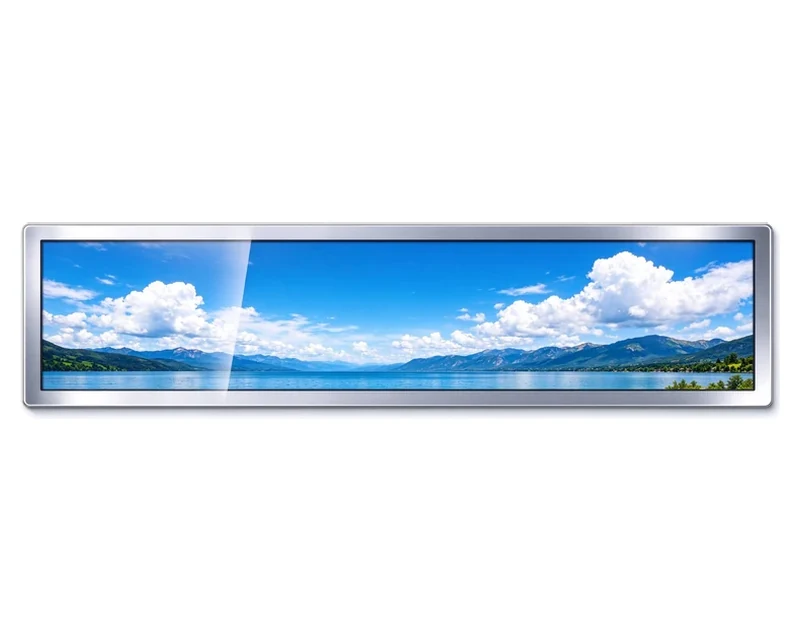
RG-T124WQH
RG-T1265FH-B40M01
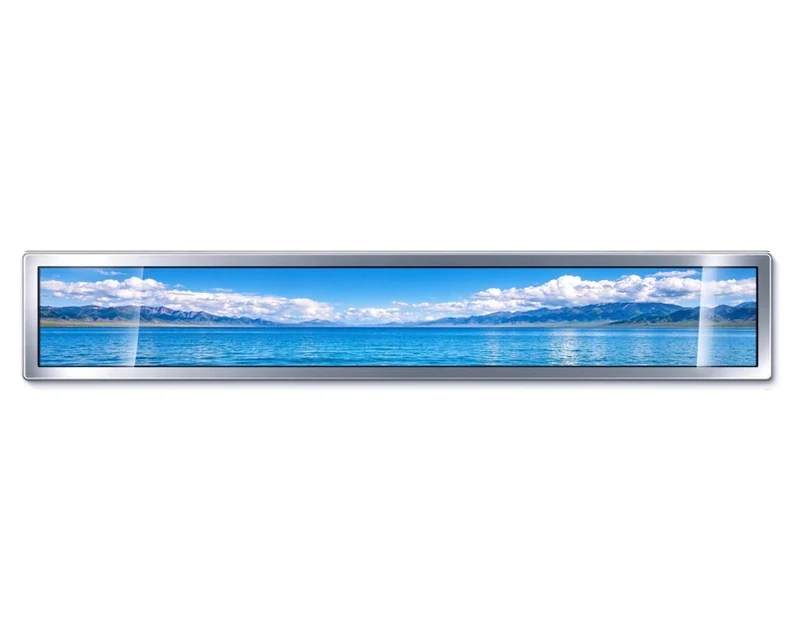
RG-T142WQH-HJC30M01
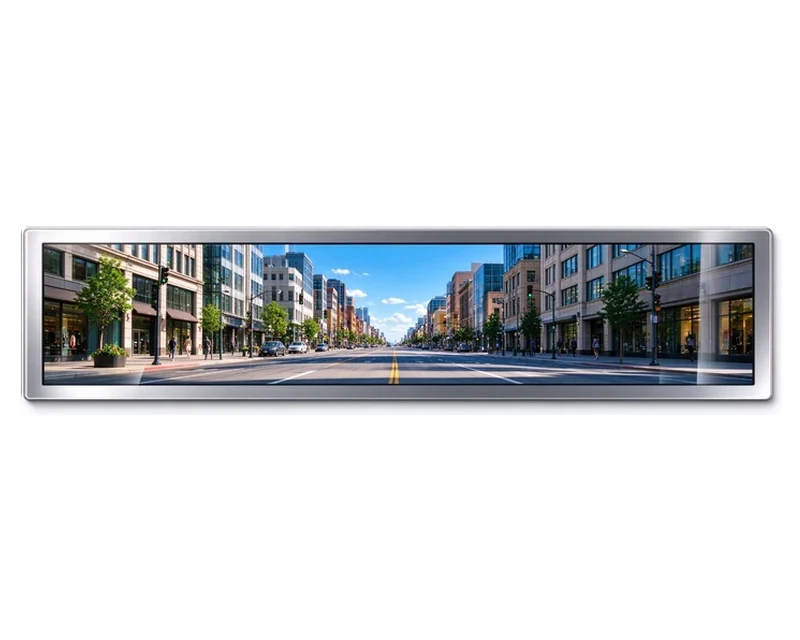
RG-T145WQH-HJC30
RG-T150FH-H60LV
RG-T088WX-A402L
8.8″ – 9.16″ large-format bar modules
These larger stretched-bar formats are built for wide, shallow fascia openings and tall vertical strips where the compact 3.0″–7.0″ modules above cannot reach. Each is a standard RONEN module held in our standard program, with the factory parameters published below — request a quotation and a test sample for the one that fits your mechanical drawing.
| Model | Size | Resolution | Panel | Luminance | Interface | Active Area (mm) | Outline (mm) | Operating / Storage (°C) |
|---|---|---|---|---|---|---|---|---|
| RG-T088WX-A40L | 8.8" | 1280x320 | IPS Bar | 400 cd/m² | LVDS | 216.96x54.24 | 223.36x65.34x4.85 | -20 ~ 70 / -30 ~ 80 |
| RG-T089FHH-B60LV | 8.9" | 1920x720 | IPS Bar | 650 cd/m² | 4-Lane MIPI | 211.68x79.38 | 217.78x89.68x5.20 | -20 ~ 70 / -30 ~ 80 |
| RG-T088IPW1-H401 | 8.88" | 480x1920 | IPS Bar | 1200 cd/m² | MIPI | 54.72x218.88 | 64.3x235.3x4.8 | -20 ~ 70 / -30 ~ 80 |
| RG-T0916FH-B40M | 9.16" | 462x1920 | Bar | 400 cd/m² | MIPI | 54.442x226.253 | 60.94x240.16x4.50 | -20 ~ 70 / -30 ~ 80 |
| RG-T088FH-HJC40LV01 | 8.88" | 1920x480 | Bar | 550 cd/m² | LVDS | 218.88x54.72 | 228.18x66.62x4.82 | -40 ~ 85 / -40 ~ 90 |
5 large-format bar modules
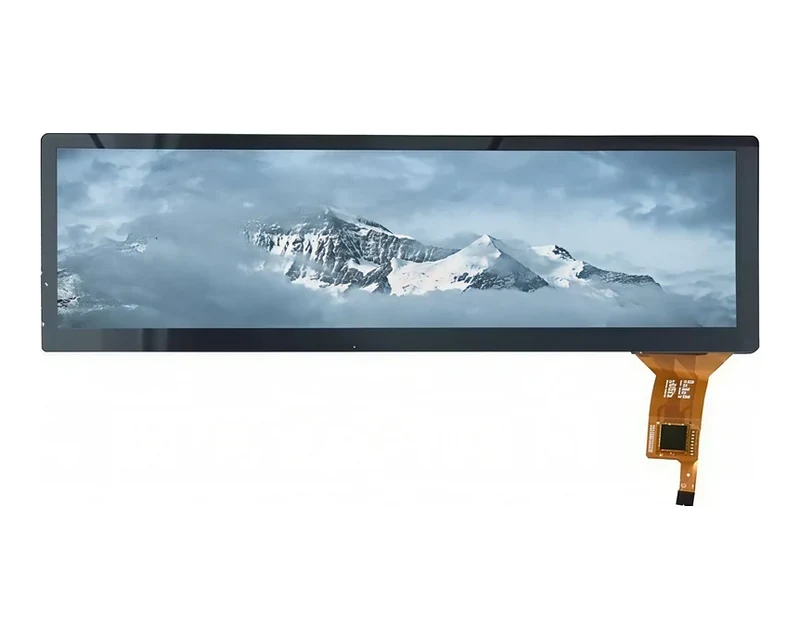
RG-T088WX-A40L
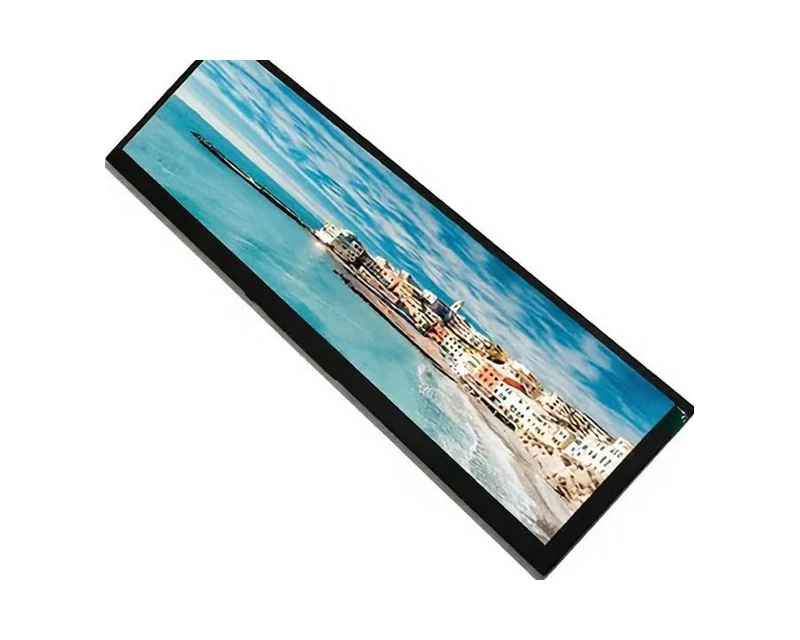
RG-T089FHH-B60LV
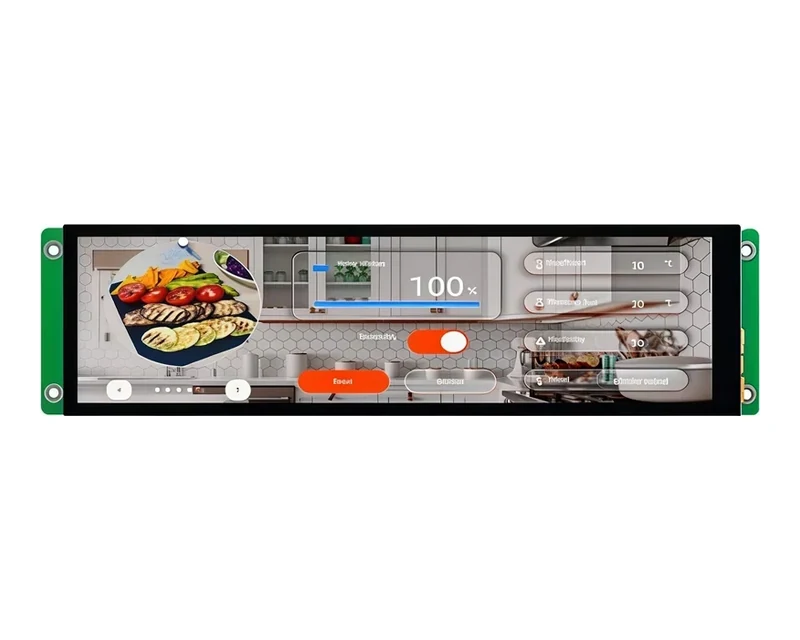
RG-T088IPW1-H401
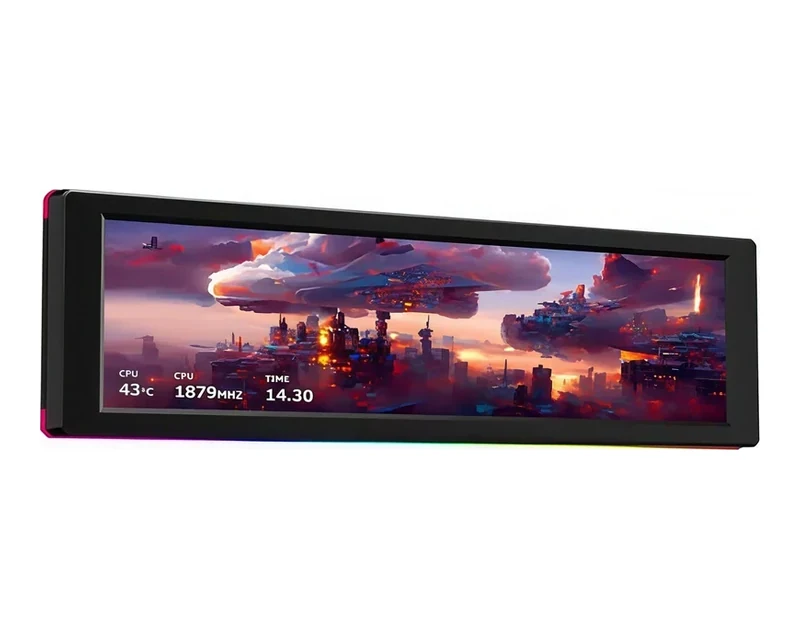
RG-T0916FH-B40M
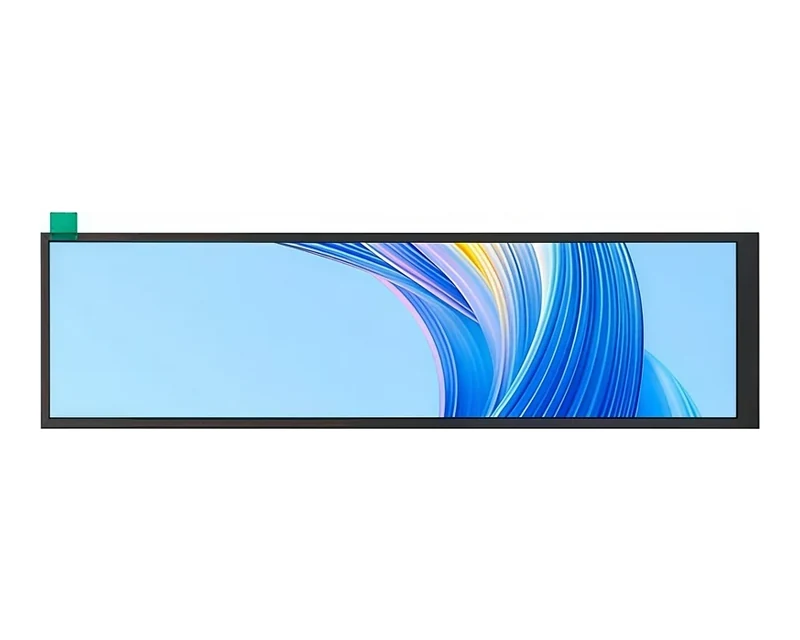
RG-T088FH-HJC40LV01
Can’t find the exact model you need?
This is a standard model, and our online catalog shows only part of what we build. We hold additional models not listed here, and we can adjust brightness, interface, touch or outline within an existing product family, or evaluate a fully custom solution. If this model does not fully match your requirements, please email your specifications to sales@odmlcd.com. We’ll help you identify the right part or assess a custom option.
Browse all 19 bar display sizes
Every size-specific page carries the complete 9-field specification and an RFQ path.
FAQ
Can you support standard supply and development?
Yes. Our 70+-engineer R&D team takes requirements from concept to EVT; for shaped / odd-form displays the concept-to-EVT cycle is 6–8 weeks with NRE from quoted per project depending on structural complexity. FPC, backlight, cover-lens, bonding and interface are all customizable.
What are the order quantities and stock?
All 190+ standard models are held in our standard program, so you can order exactly the quantity your build needs, from prototype runs to volume production. Custom / ODM builds are quoted case by case (typically 10–500 pcs) with volume-based pricing — tell us your volume and we'll quote.
Why is a bar panel more expensive than a 16:9 panel of the same area?
Because of cutting yield. Panels are cut from a fixed mother-glass sheet tiled for standard aspect ratios; a stretched shape leaves unusable glass between cuts, so fewer units come from each sheet. The price reflects the discarded area, not a different display technology.
Can you make a custom bar length?
Custom lengths are routine ODM work, but they are a new cut with tooling and a yield penalty, so the practical route is to find the nearest standard size first. Send the aperture dimensions and the viewing distance, and the answer will be either an existing cut that fits or an assessment of what a custom one costs.
How do I check uniformity before committing?
Ask for a sample showing a full-white field, not a photo or a colourful demo screen. End fall-off and LED hot spots only appear on a uniform light background, and they are properties of the light guide that cannot be corrected in firmware.
What aspect ratio should I design the UI for?
The native one, and preferably with a margin. Drawing at 1920×480 and letting a 1920×720 panel letterbox is safer than the reverse, because thin horizontal strokes disappear first when an image is scaled down. Keep critical text at least 12 px tall at native resolution.
Do bar modules come with touch?
Some do, but touch on a narrow strip is rarely useful: the target area is small and the strip is usually mounted out of arm’s reach behind glass. Most bar installations are display-only, with interaction handled by a phone, a keypad or a separate panel.