
Small TFT LCD Modules — Compact Size Overview
Our small TFT LCD modules from 0.96 to 3.5 inch are designed for wearable, handheld, IoT and smart-home devices. With round, square and bar form factors plus SPI/MCU interfaces, they fit space-constrained designs. Browse 48 compact standard models below.
- 48 compact models from 0.96″ to 3.5″
- Round, square and bar form factors available
- Low-power SPI / MCU interfaces for portable devices
- Wearable, IoT, medical and smart-home ready
What Actually Limits a One-Inch Module
At 0.96″ to 2.4″ the resolution is rarely the hard constraint. The constraints are mechanical: a 0.96″ panel with an 80×160 active area occupies perhaps a third of the module’s front face, and the rest is bezel, seal and the flex bond. On a wearable that ratio decides how the product looks, and it is fixed by the panel vendor’s design, not by the integrator’s drawing.
Three limits follow from that geometry:
- The bond area cannot shrink. The FPC attaches along one edge with an anisotropic conductive film; the bond needs a minimum width and a keep-out either side. A bezel thinner than the bond width is not a design choice, it is a different panel.
- The flex has a minimum bend radius. A 0.2 mm flex with a stiffener will not fold flat against the back of a 2 mm-thick product; plan at least 1.5 mm radius and keep the fold outside the connector footprint, or the copper work-hardens and cracks after a few thousand assembly cycles.
- Connector height sets the stack. A 0.5 mm-pitch board-to-board connector is often the tallest part behind a 1.3″ panel. Choosing a flex-tail (solder-direct) variant removes it, at the cost of serviceability.
Pin Budget: SPI, 8080 MCU or RGB
On a small MCU, pins are the scarce resource, and the interface choice follows from that rather than from frame rate. The trade-off, with the frame-time arithmetic that makes it concrete:
| Interface | Pins | Full-frame time (320×480, 16 bpp) | Where it fits |
|---|---|---|---|
| SPI at 40 MHz | 4–6 | ~61 ms of pure data, plus command overhead — roughly 10–14 fps | Status screens, menus, anything that redraws in regions |
| 8080 MCU 16-bit at 20 MHz | 18–22 | ~61 ms for the same frame, but with a much lighter CPU load | MCUs without a display controller that still need full-screen redraws |
| RGB 16/18-bit | 18–22 | Continuous refresh at 60 Hz; the frame buffer lives in the host | MPUs with an LCD controller, animated UI |
The arithmetic is worth doing before the schematic: a 320×480 frame at 16 bits is 307,200 bytes, which at 40 MHz of SPI clock is about 61 ms — before a single command byte. That is fine for a 2 fps status display and hopeless for a scrolling chart. Dithering to 18-bit colour over SPI costs another 12% of bandwidth for a difference most users cannot see on a 2.8″ panel.
Power: The Backlight Is the Battery
In a battery product the display is usually the second-largest consumer after the radio, and almost all of it is the backlight. The panel’s own drive power is small by comparison; the LEDs are not. Three levers move the number:
- Luminance. Light output scales roughly with LED current, so halving the brightness halves the backlight power. A wearable does not need 400 cd/m² indoors; 100–150 cd/m² with an anti-reflective front is often brighter-looking than 400 through glossy glass.
- Boost efficiency. A single-cell supply needs a boost converter for a 4-LED string; at small loads the converter’s quiescent current can exceed the LED current it delivers. Look at the efficiency curve at 1 mA, not at rated load.
- Duty cycle. A status display that is lit 5% of the time uses a twentieth of the energy, which is why reflective and transflective options still matter for always-on wearables — but they lose colour and contrast, and are a separate panel family rather than a setting.
Round, Square and Bar: Three Different Cuts
The shape variants in this range are real glass cuts, not masks. A circular panel has a circular active area and a circular polariser; a square panel with a round mask shows black corners and wastes light. That distinction matters for a gauge: a square layout placed inside a true circle uses the largest inscribed square, which covers about 64% of the active area — the other 36% cannot carry UI.
Bar cuts are the opposite trade. A stretched panel is cut from the same mother glass as a standard panel, and the further the aspect ratio moves from the glass’s natural tiling, the more material is discarded per unit — which is why an unusual bar size costs more per square centimetre than a 16:9 panel of the same area. Where the bar sits behind a fixed aperture, design the aperture around an existing cut rather than asking for a new one.
Readability at 20–40 cm
Small panels are read close, which is why 200+ PPI parts exist at this size. The table shows what each diagonal actually delivers, so the choice can be made on the smallest text the UI must show:
| Diagonal | Resolution | Pixel density | Pixel pitch |
|---|---|---|---|
| 0.96″ | 80×160 | 186 PPI | 0.14 mm pixel pitch |
| 1.3″ | 240×240 | 261 PPI | 0.1 mm pixel pitch |
| 1.77″ | 128×160 | 116 PPI | 0.22 mm pixel pitch |
| 2.0″ | 320×240 | 200 PPI | 0.13 mm pixel pitch |
| 2.4″ | 320×240 | 167 PPI | 0.15 mm pixel pitch |
| 2.8″ | 240×320 | 143 PPI | 0.18 mm pixel pitch |
| 3.5″ | 320×480 | 165 PPI | 0.15 mm pixel pitch |
| 3.5″ | 640×480 | 229 PPI | 0.11 mm pixel pitch |
For reference, a 0.2 mm pixel at 30 cm subtends about 2.3 arc-minutes — comfortable for 8 px text. At 0.1 mm pitch the same text occupies half the physical width, which is what makes dense Chinese or Japanese glyphs legible on a 1.3″ round display.
The Range at a Glance
| Size | Models | Resolutions in this range | Panel / touch variants | Where it usually goes |
|---|---|---|---|---|
| 0.96″ | 1 | 80×160 | IPS 1 | Status icon |
| 0.99″ | 1 | 128×115 | IPS Round 1 | Round wearable |
| 1.3″ | 2 | 240×240 | IPS Round 1 / IPS Square 1 | Dial / round wearable |
| 1.54″ | 1 | 320×320 | IPS Square 1 | Badge, sensor |
| 1.77″ | 2 | 128×160 | TN 2 | Status strip |
| 2.0″ | 2 | 240×240, 320×240 | IPS 2 | Instrument |
| 2.1″ | 1 | 480×480 | IPS Round 1 | Round gauge |
| 2.3″ | 1 | 480×320 | IPS 1 | Portable instrument |
| 2.4″ | 1 | 240×320 | IPS 1 | Handheld |
| 2.7″ | 1 | 240×240 | IPS Square 1 | Instrument |
| 2.76″ | 1 | 480×480 | IPS Round 1 | Round gauge |
| 2.8″ | 4 | 240×320 | IPS 3 / TN 1 | Handheld, POS |
| 2.95″ | 2 | 480×854 | IPS 2 | Compact HMI |
| 3.0″ | 1 | 360×640 | IPS Bar 1 | Instrument |
| 3.1″ | 1 | 480×800 | IPS 1 | Cluster |
| 3.2″ | 1 | 240×320 | IPS 1 | Handheld |
| 3.4″ | 1 | 800×800 | IPS Round 1 | Gauge |
| 3.45″ | 1 | 340×800 | IPS Bar 1 | Bar indicator |
| 3.5″ | 23 | 240×320, 320×480, 320×240, 640×480, 800×600, 480×640 | IPS 12 / TN 10 / MVA 1 | HMI front panel |
Standard Modules in This Range
48 standard models in this family
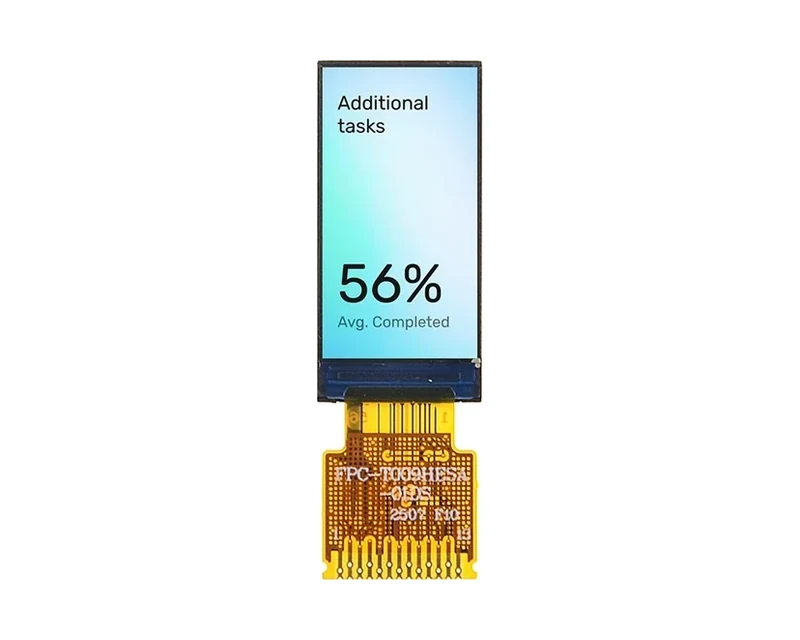
RG-T009HESA-01
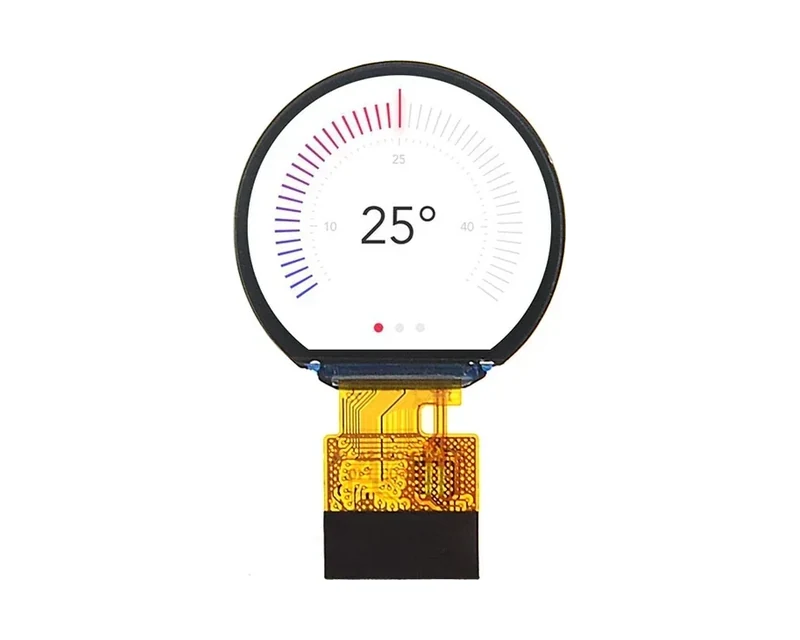
RG-T010BCSA-01
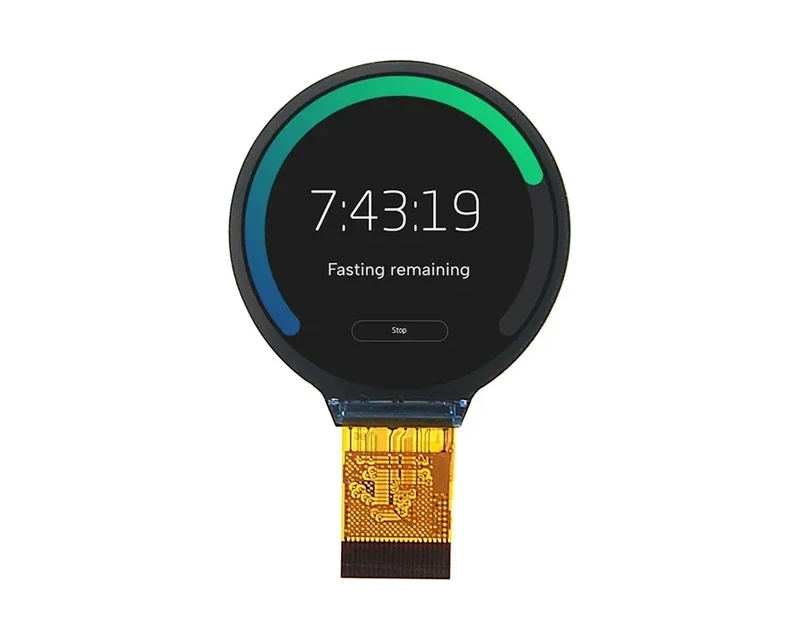
RG-T013HQGA-01
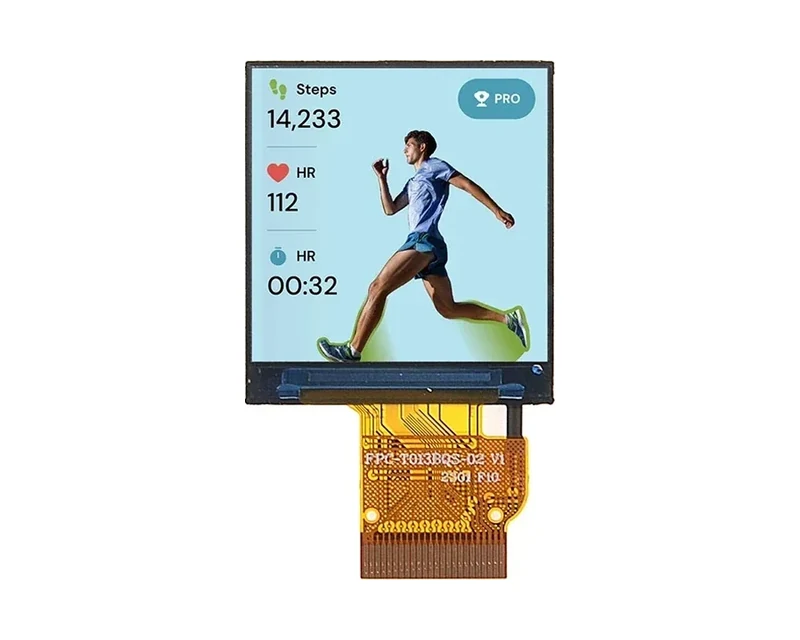
RG-T013BQSA-01
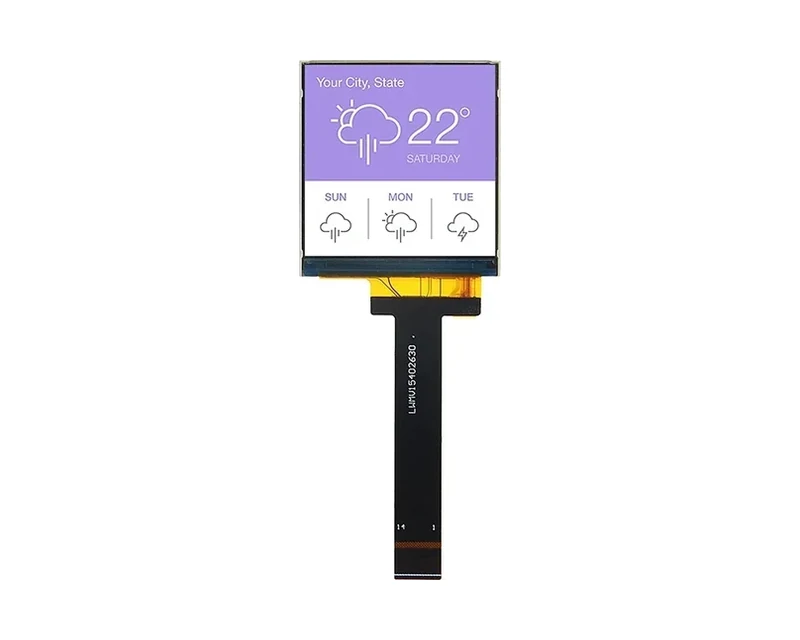
RG-T015BOSA-01
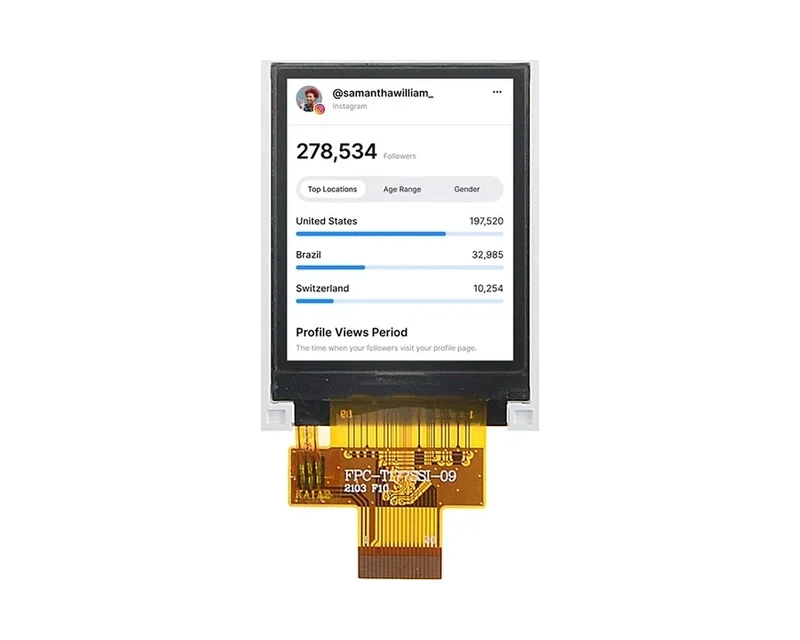
RG-T0177SSI-02
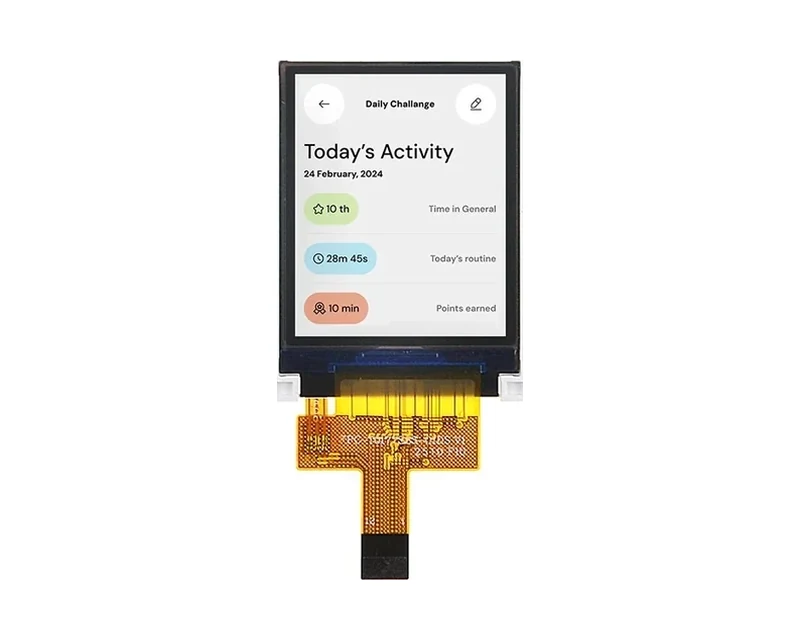
RG-T0177SSS-01
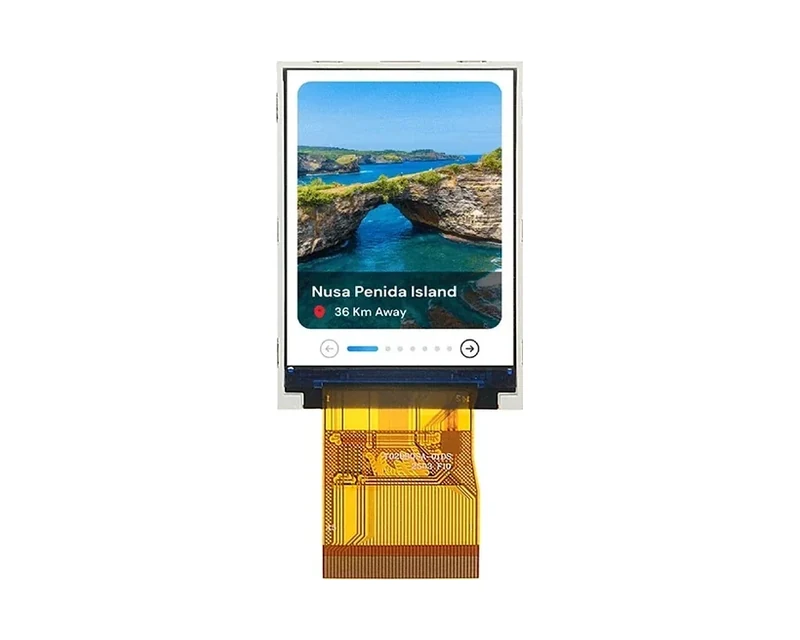
RG-T020BQSA-01
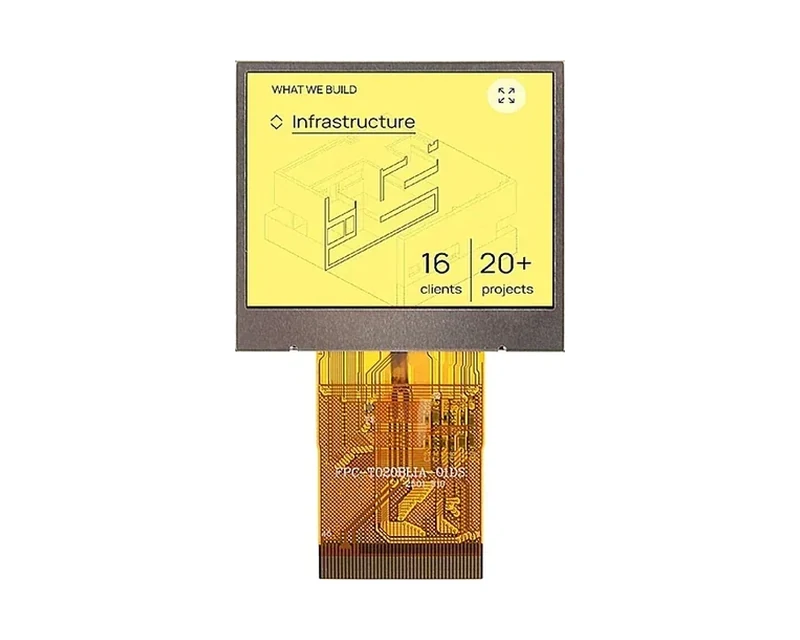
RG-T020BLIA-01
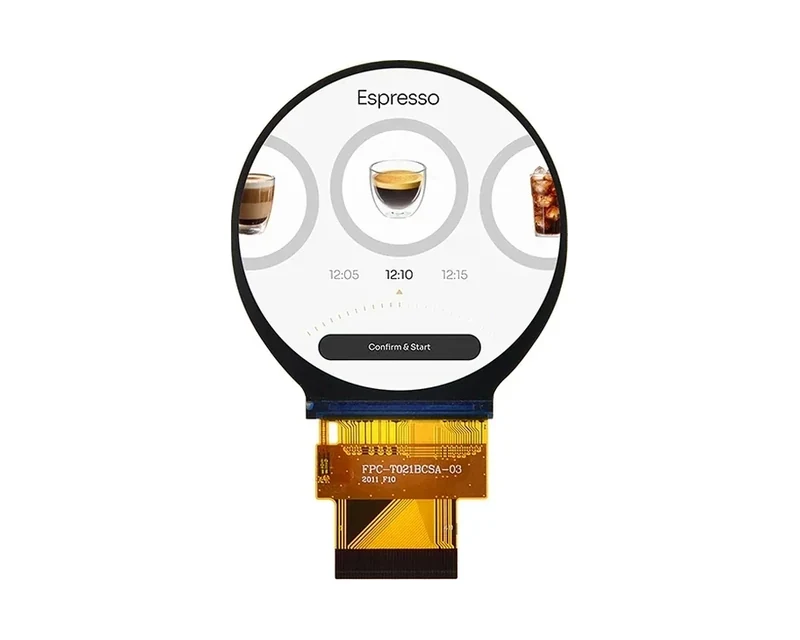
RG-T021BCSA-02
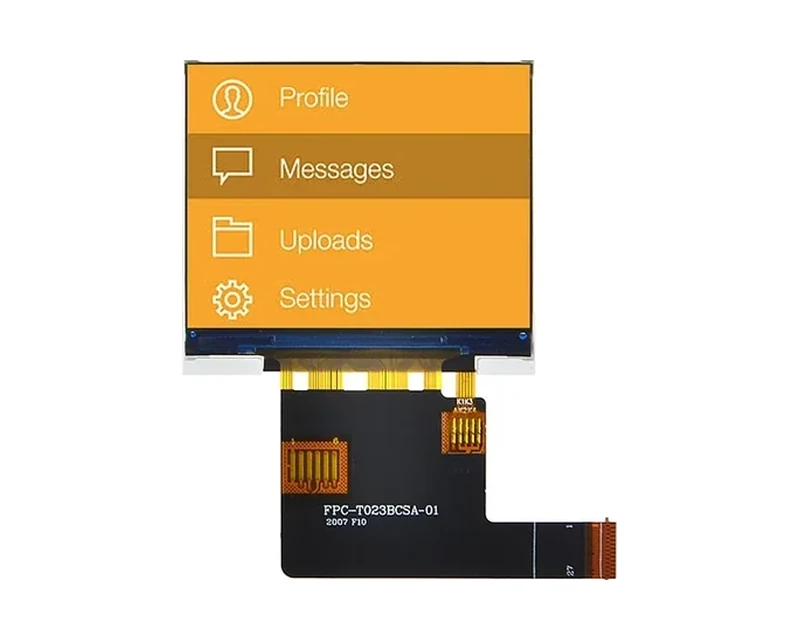
RG-T023BCSA-01
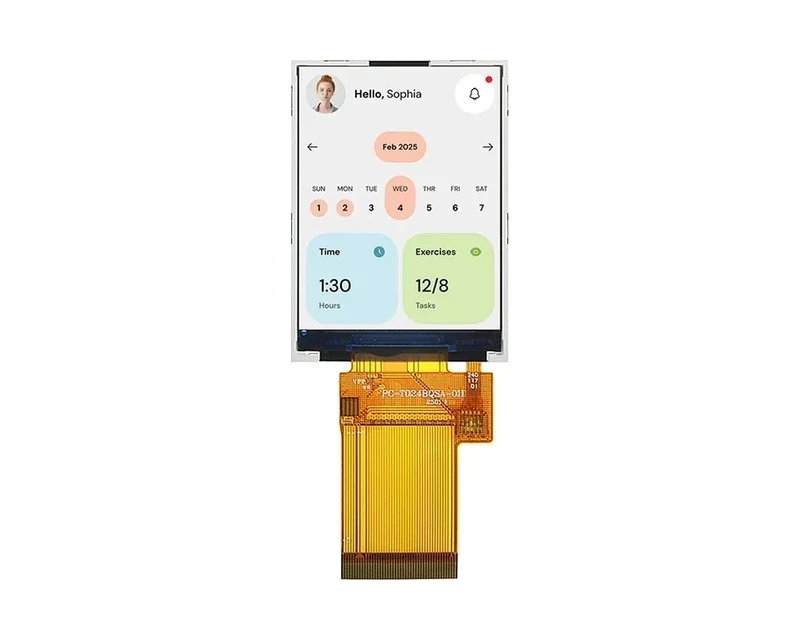
RG-T024BQSA-01
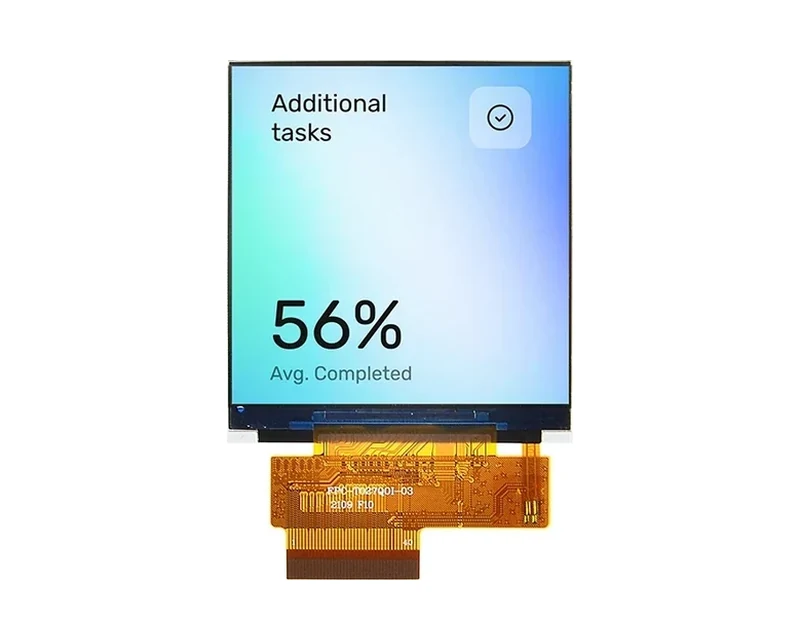
RG-T027BOIA-01
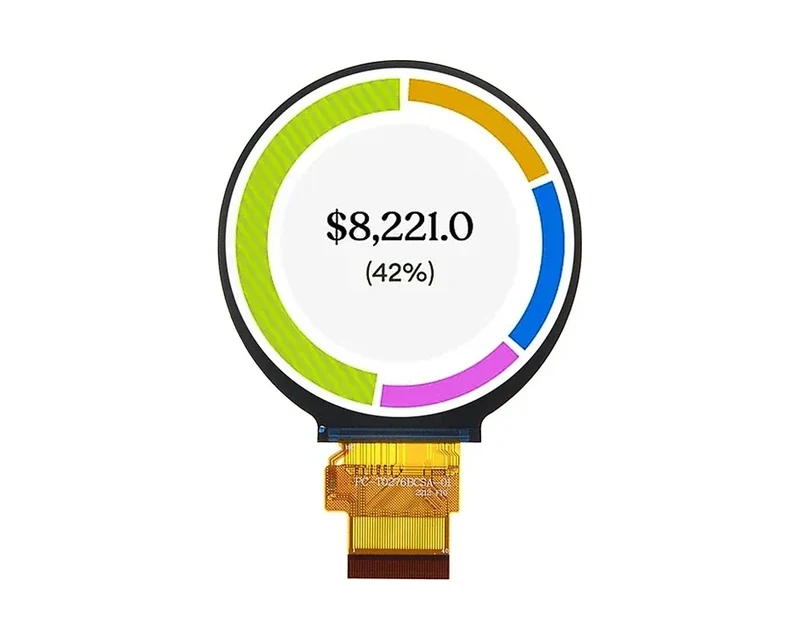
RG-T0276BCSA-01
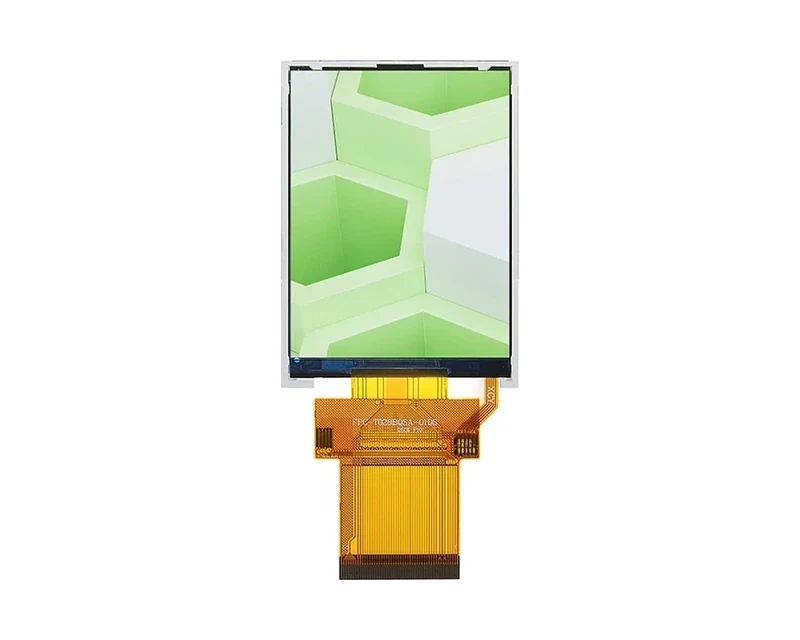
RG-T028BQSA-01
RG-T028BQSA-01P
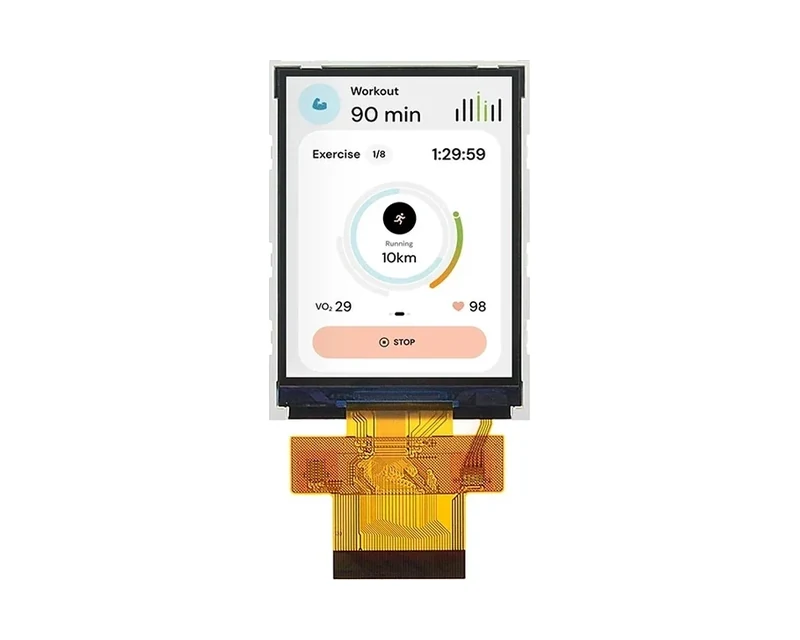
RG-T028GQSW-01
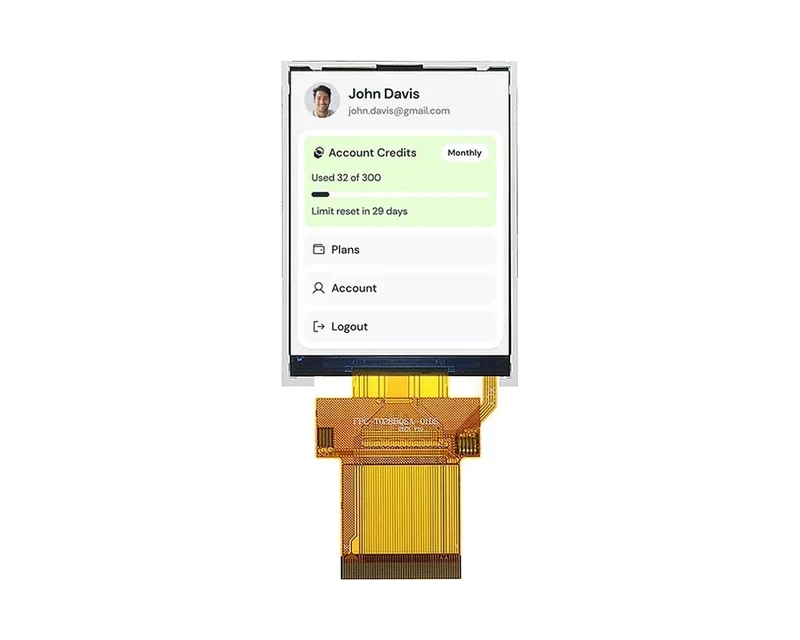
RG-T028BQSWA-01
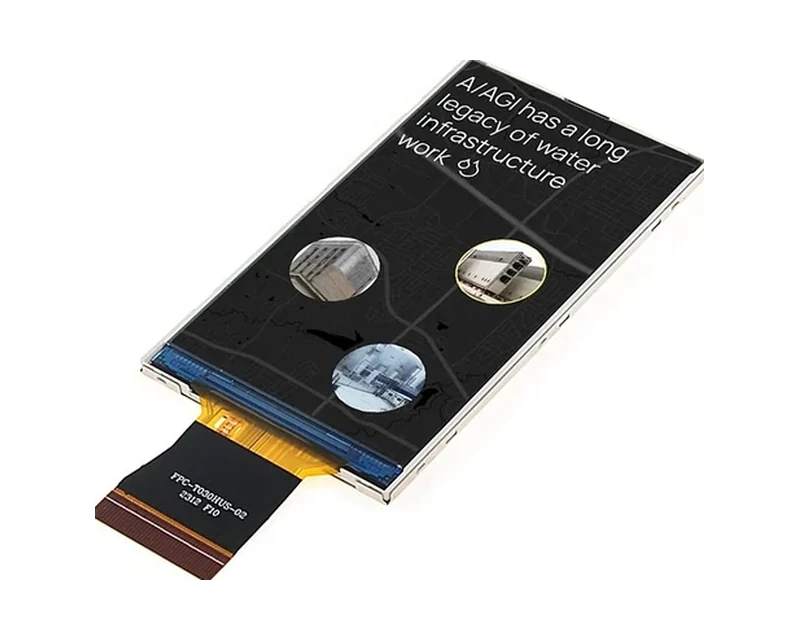
RG-T0295BVSA-01
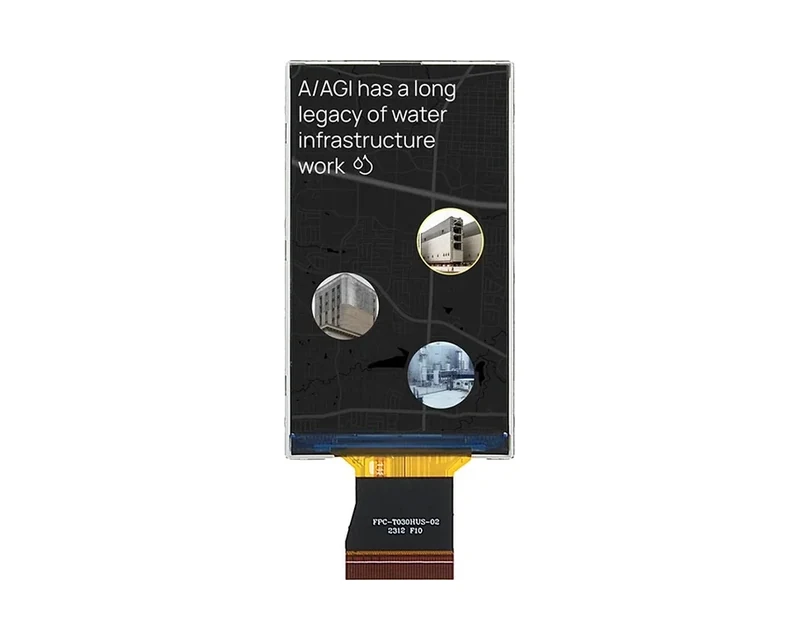
RG-T0295BVSA-02
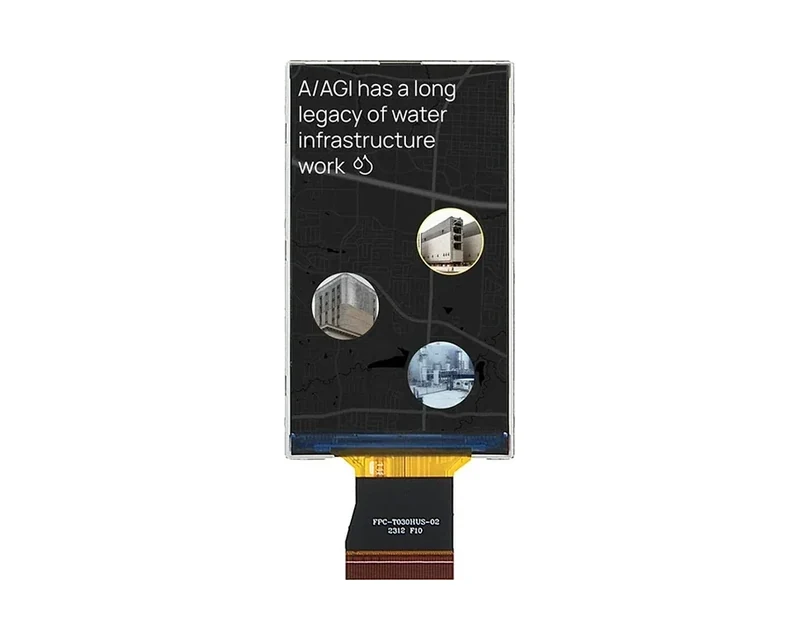
RG-T030HUSA-01
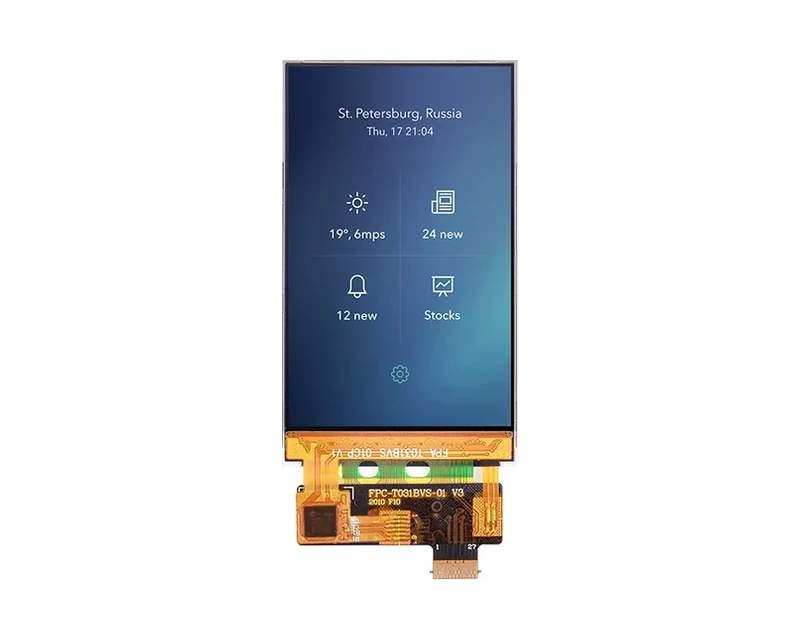
RG-T031BVSA-01
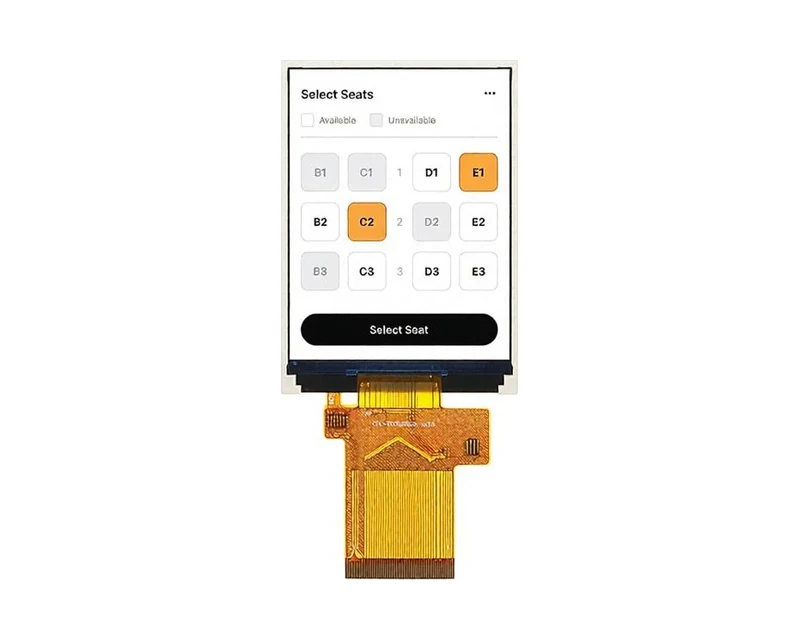
RG-T032BQSA-01
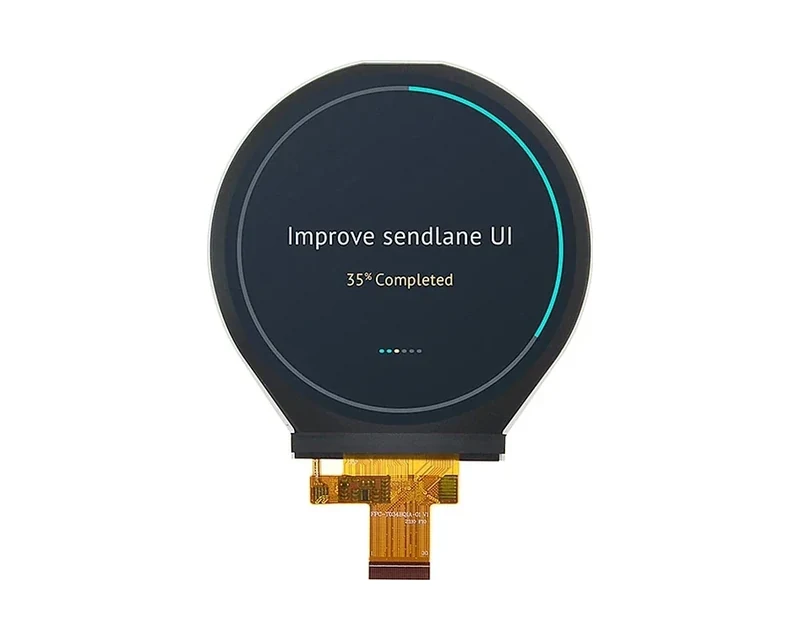
RG-T034BOIA-01
RG-T0345BHSA-01
RG-T035BQSA-01
RG-T035SHI-01
RG-T035BHSA-01
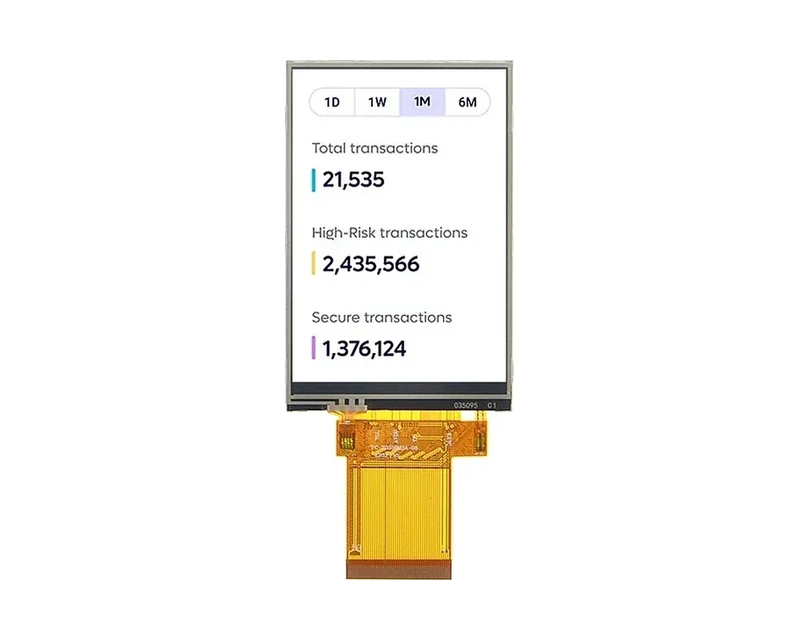
RG-T035BHSA-01P
RG-T035QHI-28
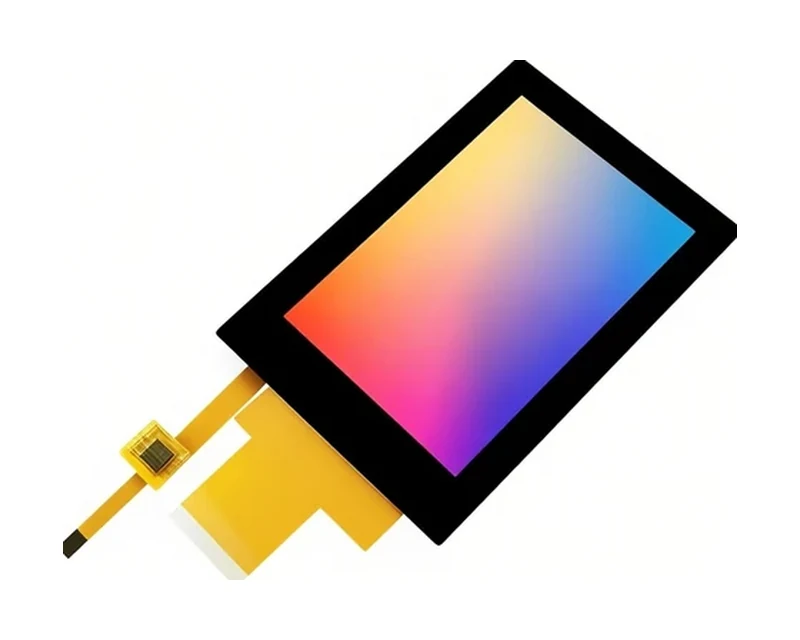
RG-T035QHI-03CP
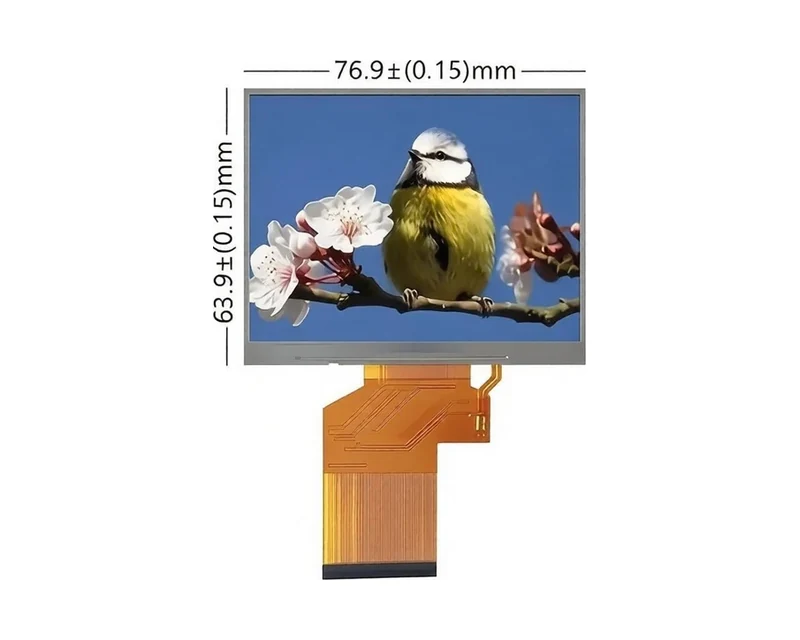
RG-T035SLH-01ND
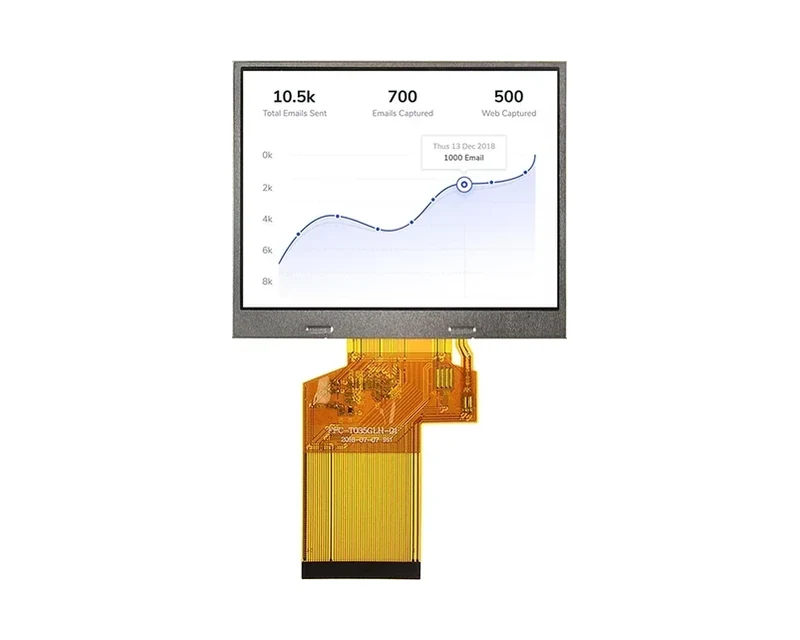
RG-T035GLH-01
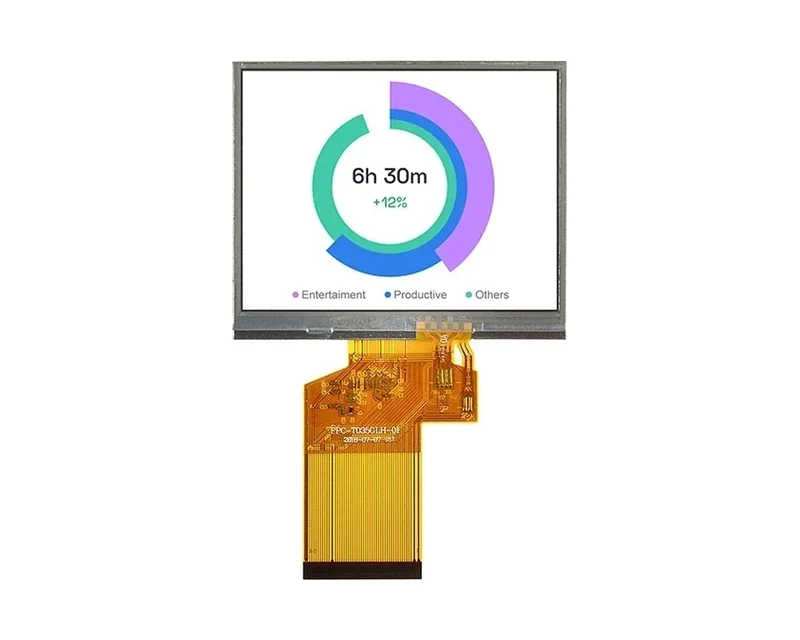
RG-T035GLH-01P
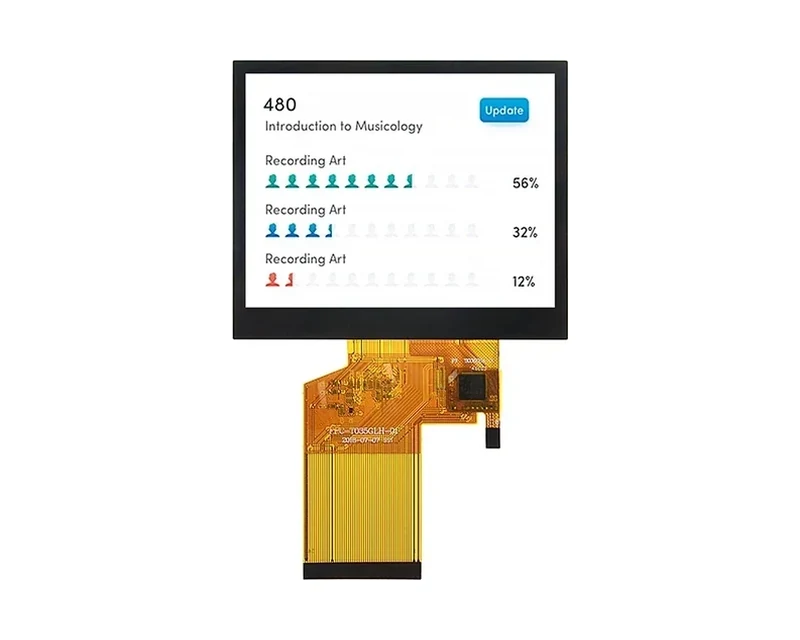
RG-T035GLH-01CA
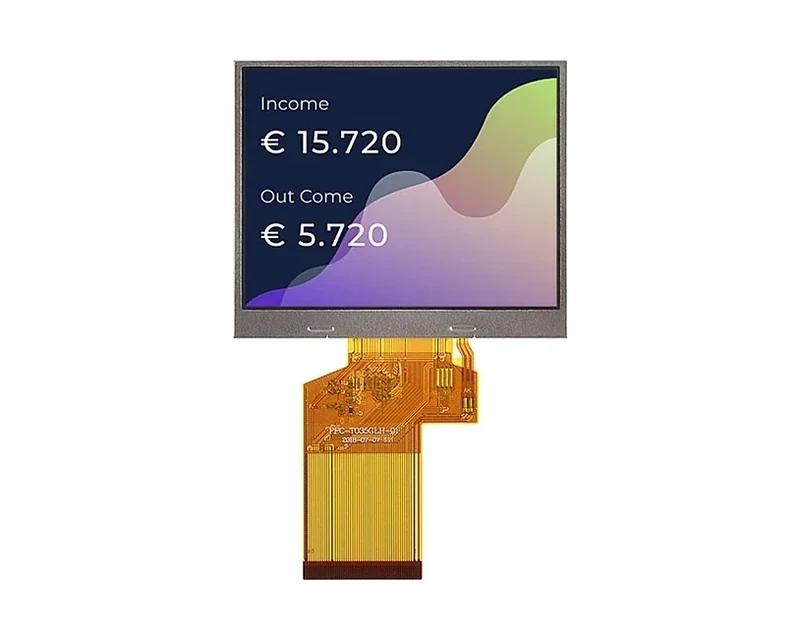
RG-T035GLH-02
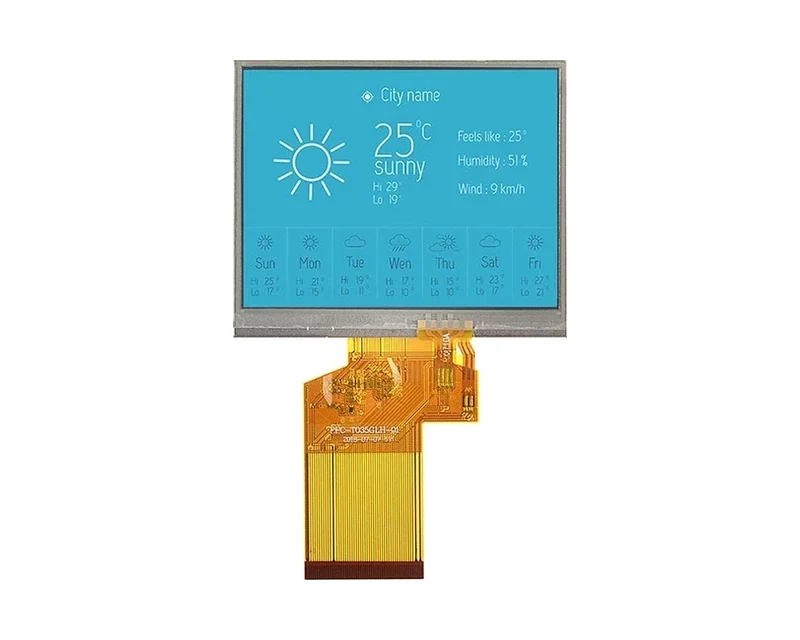
RG-T035GLH-02P
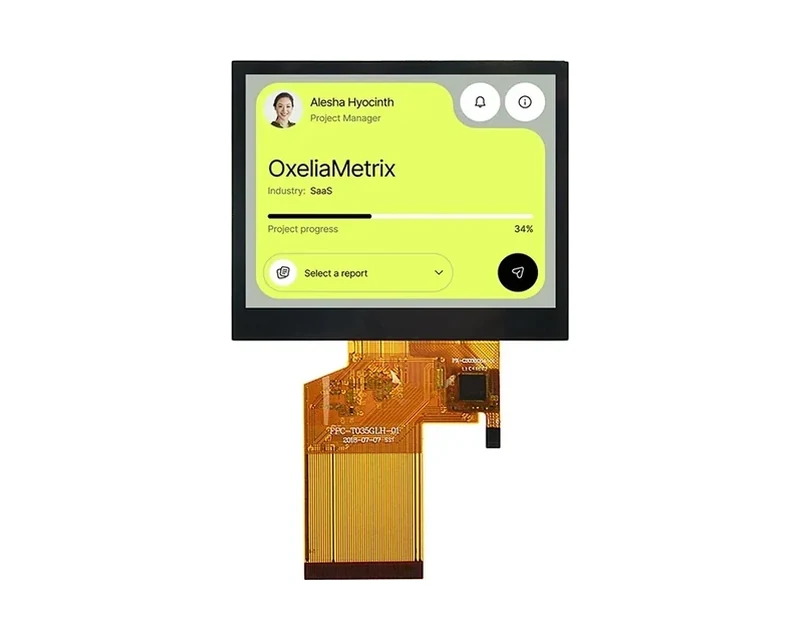
RG-T035GLH-02CA
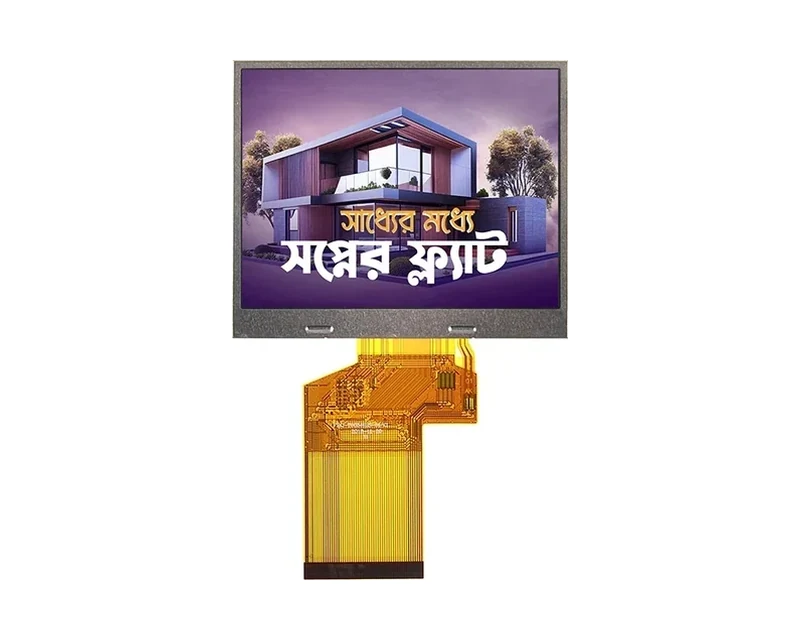
RG-T035HLS-01
RG-T035HLS-01CP
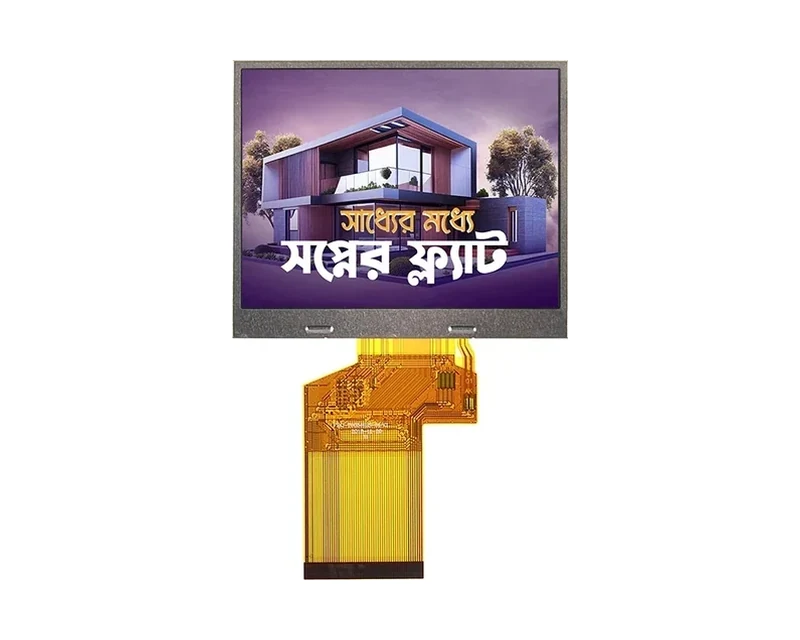
RG-T035HLS-02
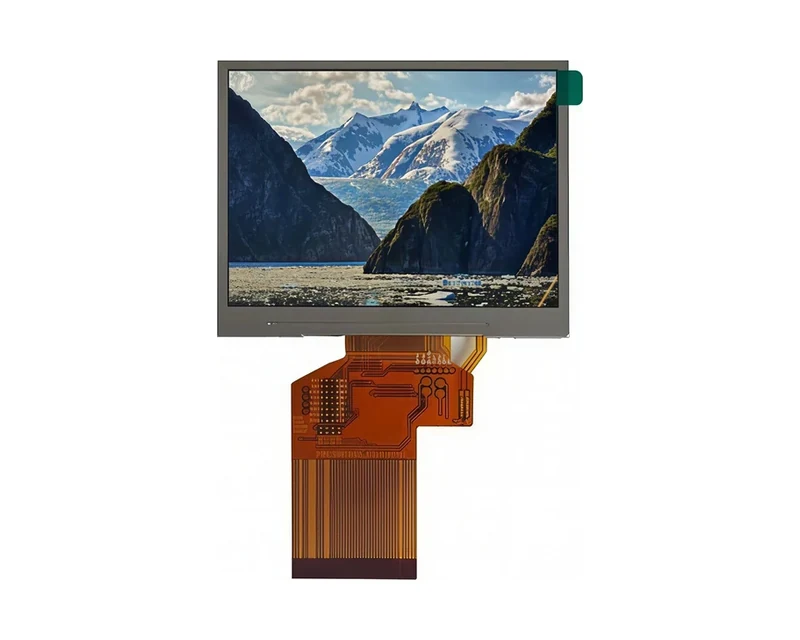
RG-T035HLWSA-01
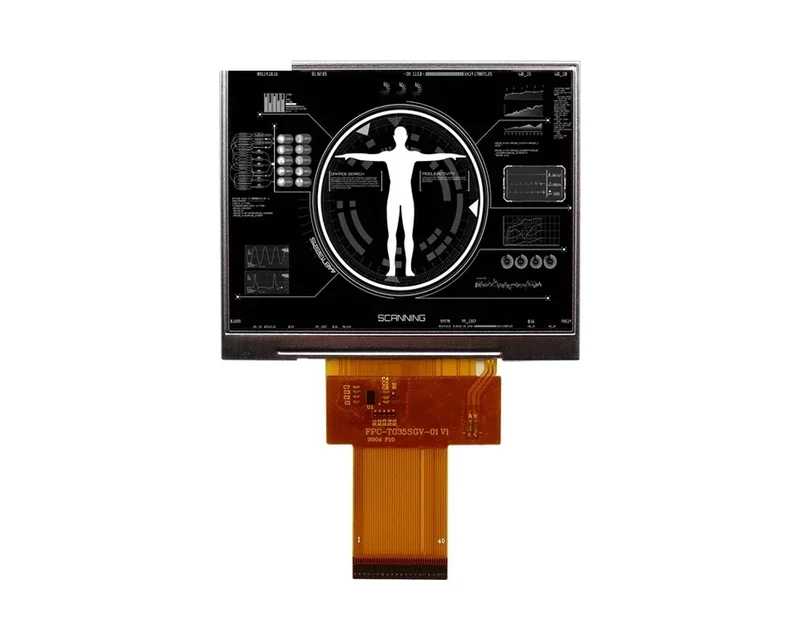
RG-T035SGV-01
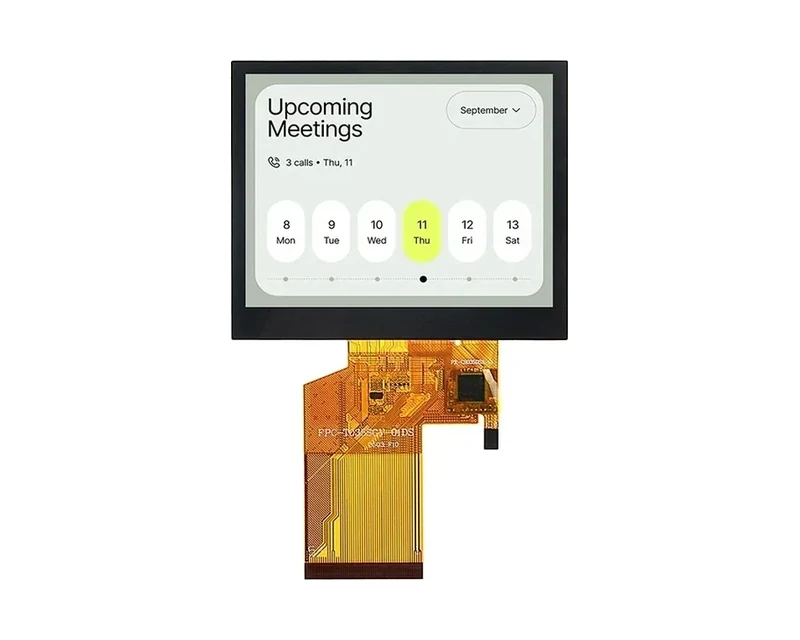
RG-T035SGV-01CP
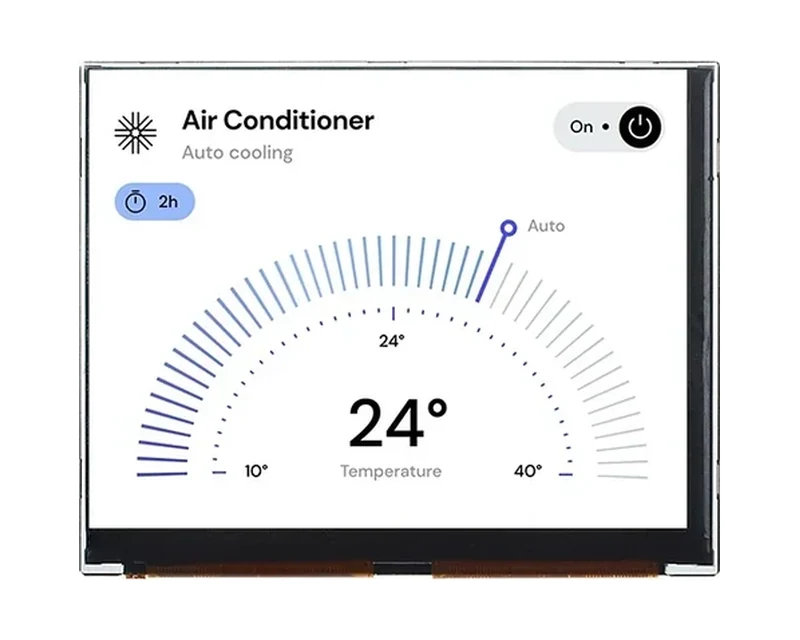
RG-T035TGH-01
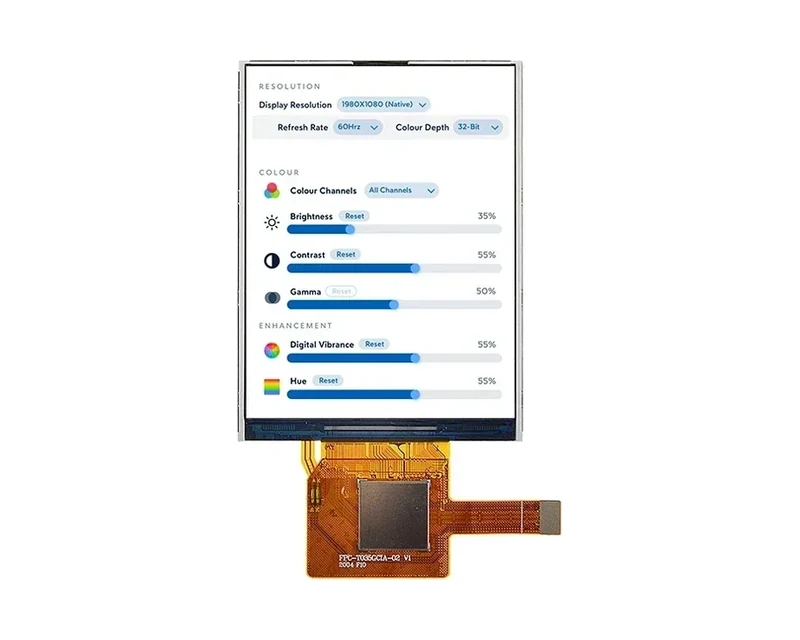
RG-T035GCIA-02
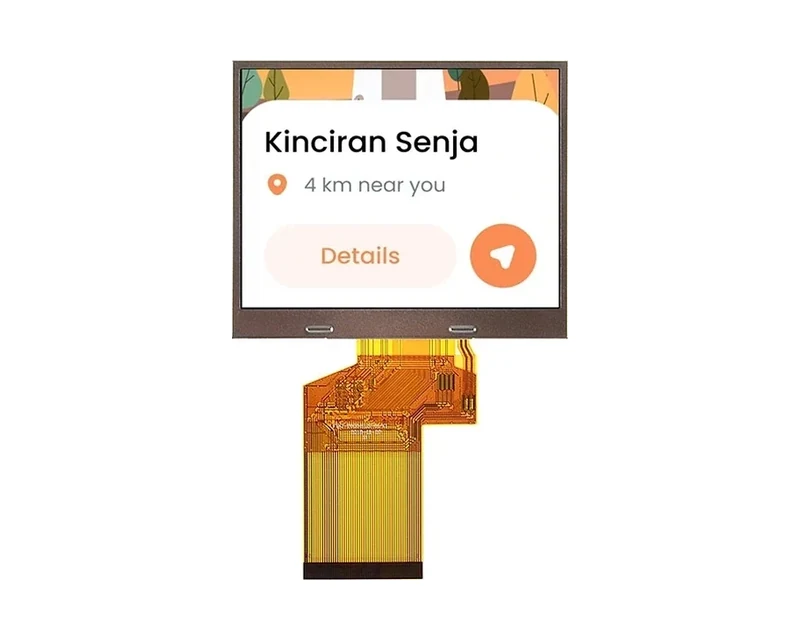
RG-T035HLSWA-01
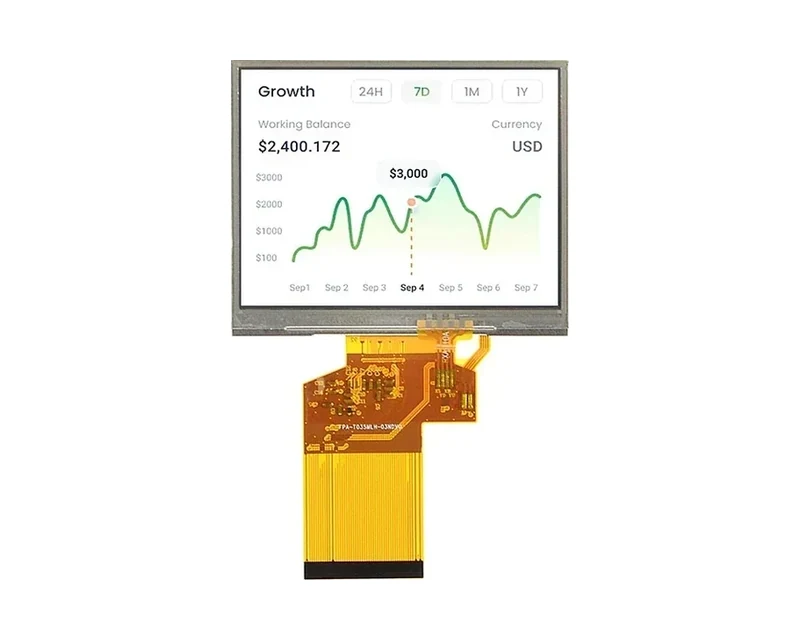
RG-T035SLH-01PD
Can’t find the exact model you need?
This is a standard model, and our online catalog shows only part of what we build. We hold additional models not listed here, and we can adjust brightness, interface, touch or outline within an existing product family, or evaluate a fully custom solution. If this model does not fully match your requirements, please email your specifications to sales@odmlcd.com. We’ll help you identify the right part or assess a custom option.
FAQ
Do you reliably cover the full small-to-large TFT size range?
Yes. RONEN's standard catalog lists 190+ TFT LCD models from 0.96 to 21.5 inch, spanning IPS, TN, round, bar and square form factors. The range is produced continuously rather than project-by-project, so steady supply is the default, not the exception.
Total capacity: 35,308,420 pcs/year (LCD + CTP combined) (LCD + CTP combined) from our own line — enough headroom to hold both volume and lead-time commitments across the full size range.
See the full list on the products page, or jump to small TFT / industrial TFT.
Do you provide samples, and what is your sample policy?
Yes. We sample every standard model in our 190+ model catalog. Standard catalog parts are available as samples, typically at a nominal charge, with the prototype / sampling cycle confirmed per project in writing. Custom / ODM parts are sampled under the development NRE and timeline on the standard catalog modules page.
Each standard sample ships with the full package — datasheet (including the mechanical outline drawing); the 3D STEP model is available on request — so your mechanical and firmware teams can begin layout before mass production. Small bridge builds (<500 pcs) are supported if you need volume between sample and MP.
Tell us the P/N, quantity and destination on the contact page, and we'll arrange the sample handover under the forwarder and Incoterm nominated by your side.
Why does a 1.3-inch round panel cost more than a 2-inch rectangular one?
Because of how it is cut. A circular active area leaves unusable glass at all four corners of the mother panel, so the yield per substrate is lower than for a rectangular part of similar area. Round panels also use a circular polariser, which is a separate lamination step. The price difference is a manufacturing consequence, not a positioning one.
Can SPI drive a 320×480 panel at video rate?
Not full-screen. A 320×480 frame at 16 bpp is 307 kB; at 40 MHz that is about 61 ms of pure transfer, before command overhead — roughly 10–14 fps at best. Region updates are much faster, so SPI suits menus and status screens. For animation, choose a host with an RGB interface or accept a lower frame rate.
Do I need a separate backlight driver?
Usually yes, and its efficiency at low current matters more than its rated output. A single-cell product driving a four-LED string needs a boost converter; at 1–5 mA of LED current the quiescent draw can be a significant share of the total. Ask for the efficiency curve at the current actually used, not at the datasheet’s rated point.
What is the smallest practical FPC bend for a wearable?
Plan on at least 1.5 mm radius for a 0.2 mm flex with stiffener, and keep the bend line outside the connector footprint. Tighter folds crack the copper after repeated assembly, and the failure appears as an intermittent column of dead pixels rather than a clean break, which makes it expensive to diagnose in the field.
Is a square panel inside a round bezel a reasonable shortcut?
Only if the black corners are acceptable. A square active area masked to a circle loses the corner pixels and needs a mask that is aligned to within a fraction of a millimetre; a true round panel shows a clean circular image with no mask. For a gauge or a knob, the true-circular part is what makes the product look intentional.